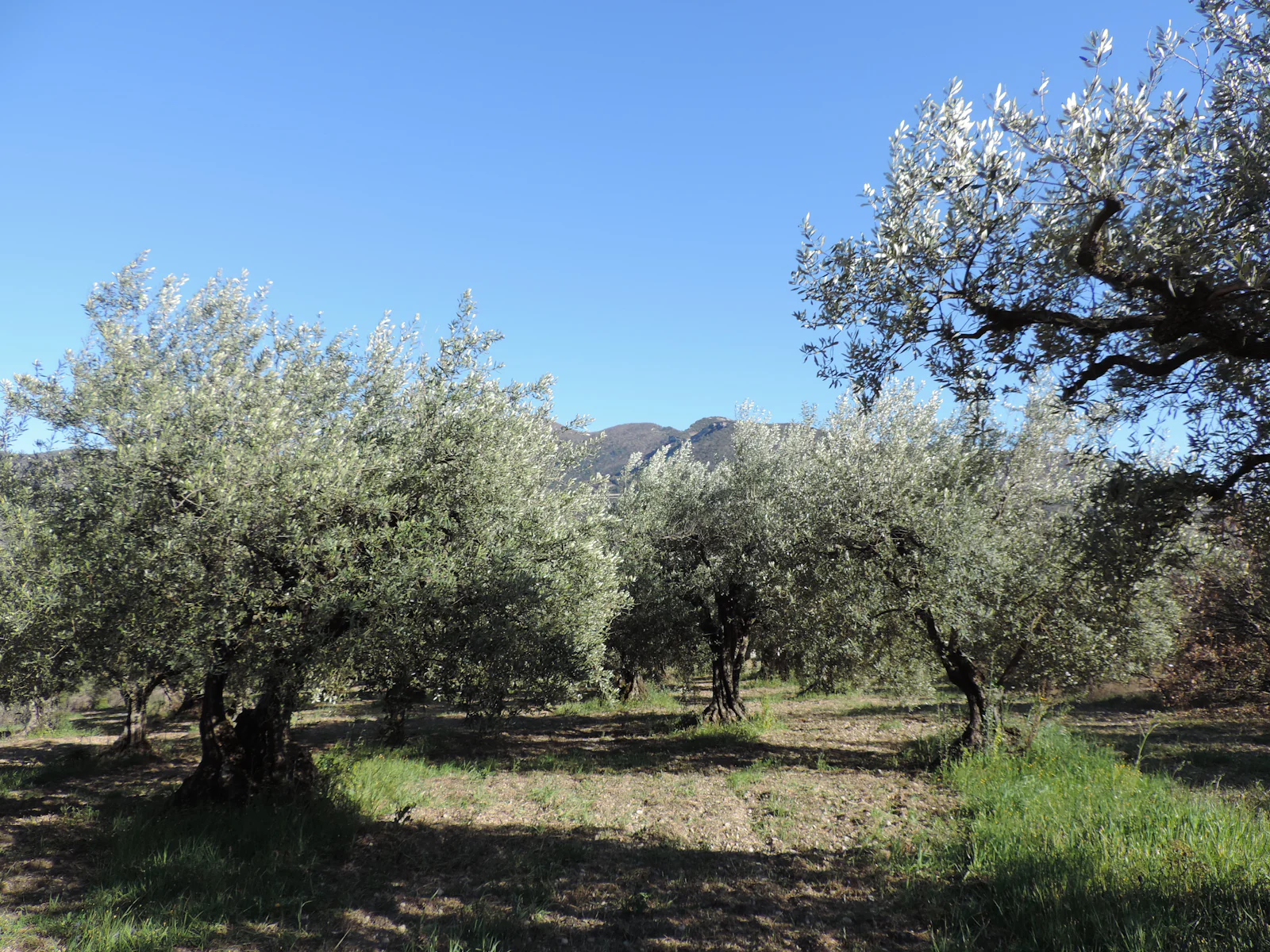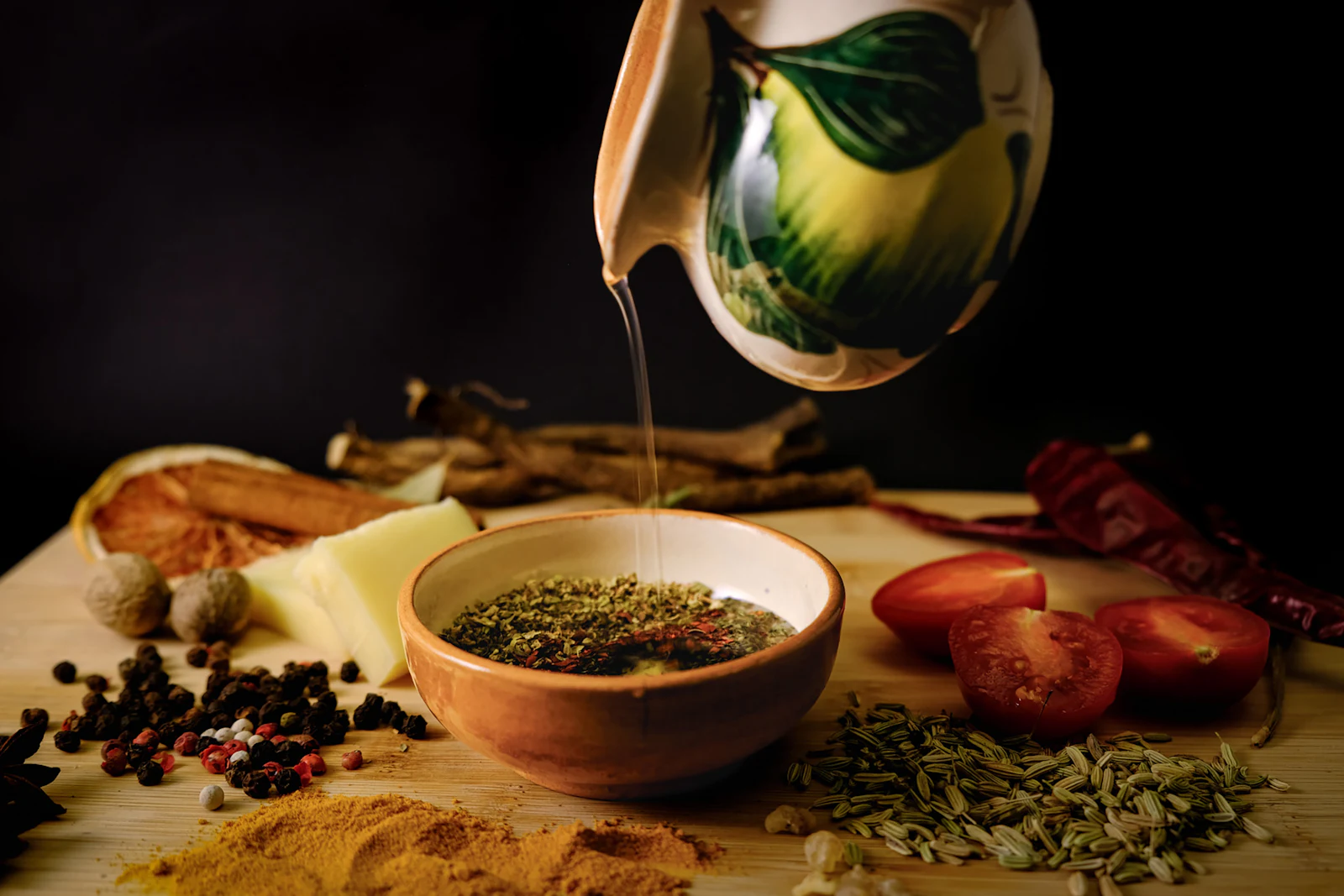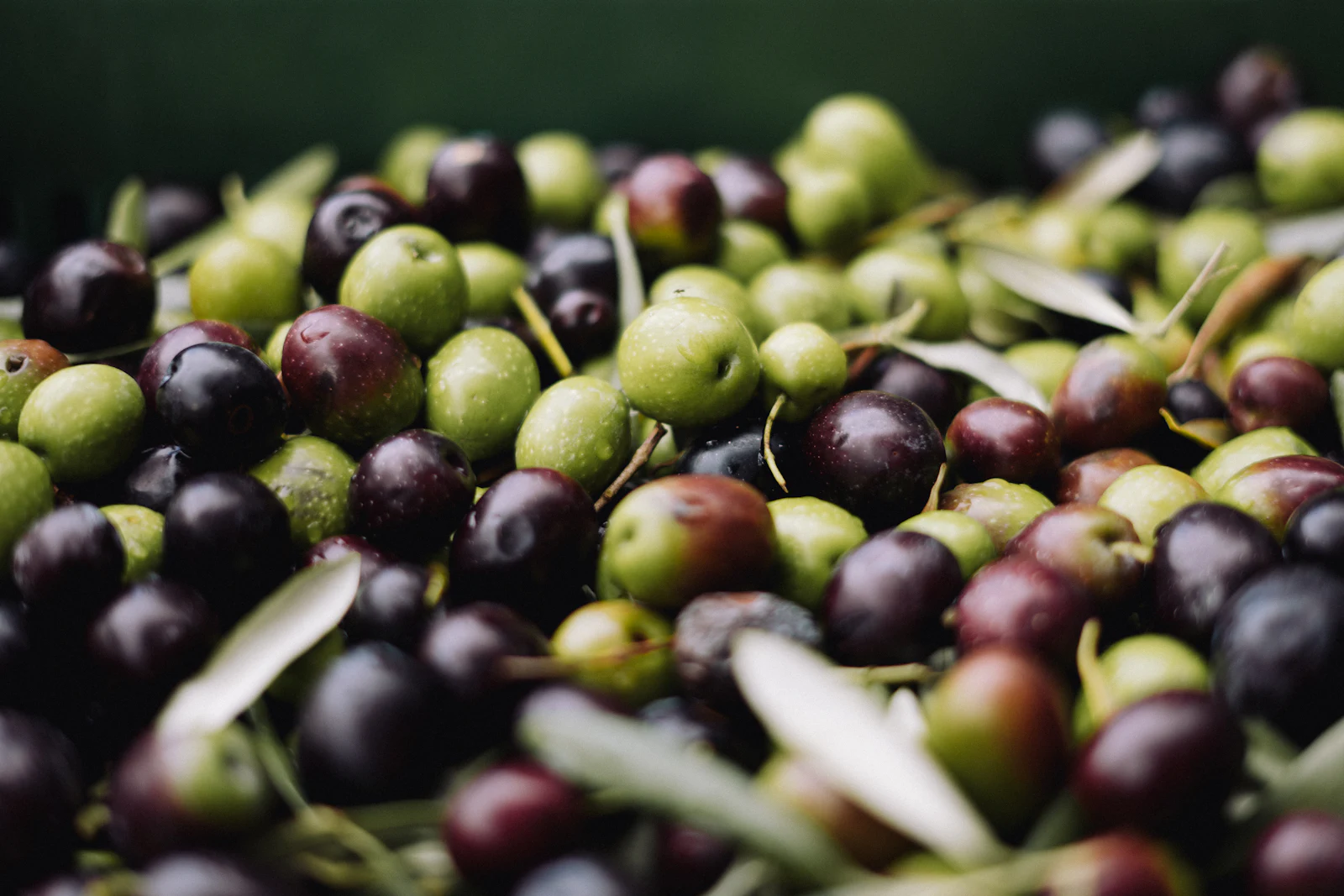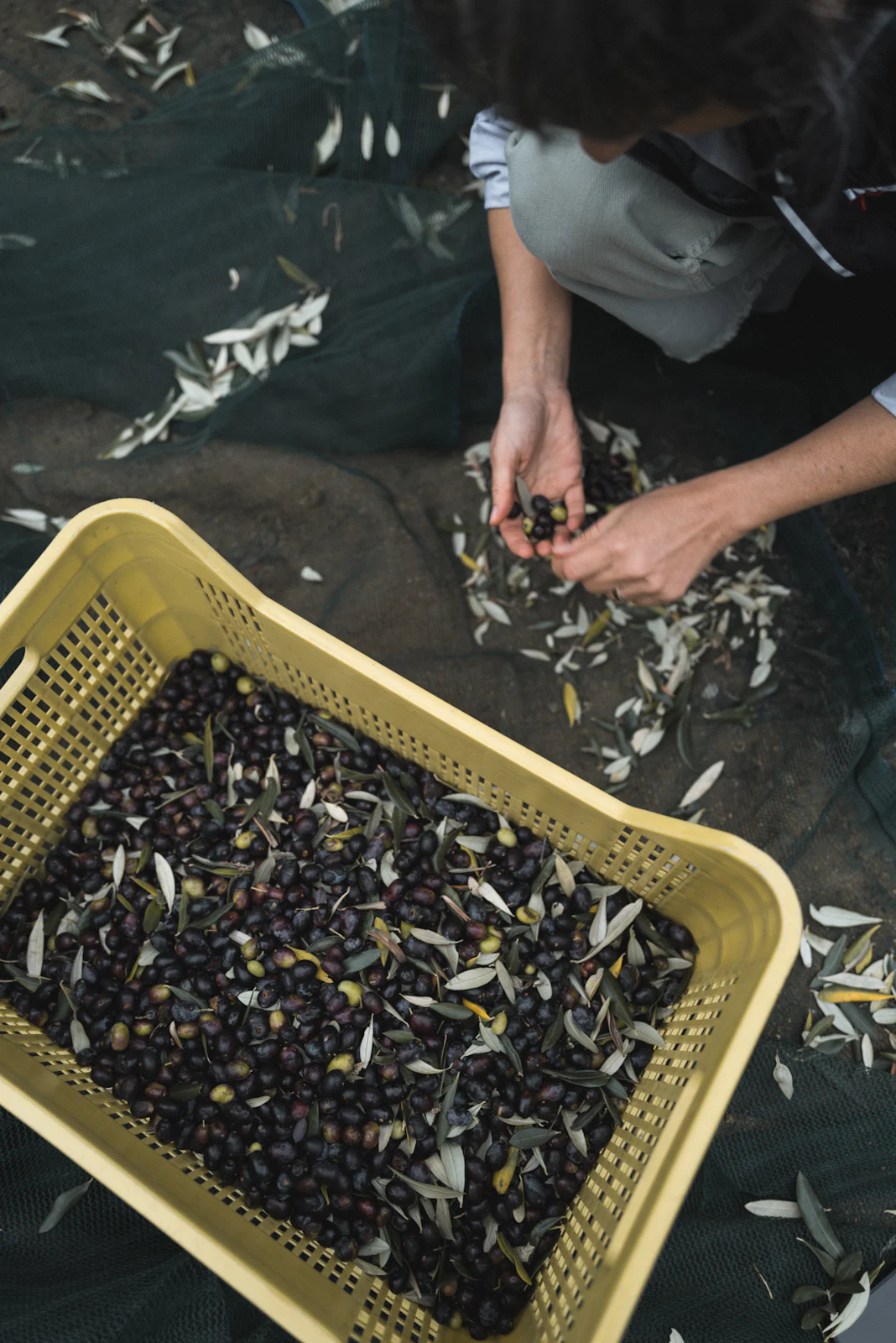
No country produces as much olive oil as Spain. Olive trees cover around 2.75 million hectares, and more than 350,000 farmers make a living from them. In normal years almost half of the world's olive oil comes from Spain.
Spain in figures
| Production 2024/25 | 1,419,000 tonnes (IOC, provisional) |
| Share of world production | around 40% |
| Olive area | around 2.75 million hectares |
| Protected olive oils (EU register) | 35 (32 PDO, 3 PGI) |
| Main varieties | Picual, Hojiblanca, Cornicabra, Arbequina, Empeltre, Manzanilla Cacereña |
| Virgin olive oil exports 2023 | 466,223 tonnes worth USD 3.15 billion |
The main growing areas
- Andalusia: around 80 per cent of production on 1.67 million hectares. The province of Jaén alone supplies about 37 per cent of Spain's olive oil, followed by Córdoba, Granada, Seville and Málaga. The robust Picual variety dominates.
- Castile-La Mancha: around 8 per cent, known for the Cornicabra variety, for example in the Montes de Toledo and Campo de Calatrava.
- Extremadura: around 4 per cent, with Manzanilla Cacereña and Morisca.
- Catalonia, Aragon, Navarre and the Balearic Islands: smaller volumes with distinctive profiles, such as Arbequina from Les Garrigues or Arróniz from Navarre and the Basque Country.
Designations of origin: 35 protected olive oils
Spain has the second-highest number of protected olive oils in the EU, after Italy and ahead of Greece. The EU register eAmbrosia lists:
- 32 protected designations of origin (PDO): Antequera, Baena, Estepa, Gata-Hurdes, Les Garrigues, Montes de Granada, Montes de Toledo, Montoro-Adamuz, Poniente de Granada, Priego de Córdoba, Sierra de Cádiz, Sierra de Cazorla, Sierra de Segura, Sierra Mágina, Siurana, Aceite Campo de Calatrava, Aceite Campo de Montiel, Aceite de La Alcarria, Aceite de la Rioja, Aceite de Lucena, Aceite de Madrid, Aceite de Mallorca, Aceite de Navarra, Aceite de Terra Alta, Aceite de las Sierras Espadán y Calderona, Aceite del Baix Ebre-Montsià, Aceite del Bajo Aragón, Aceite del Somontano, Aceite Monterrubio, Aceite Sierra del Moncayo, Aceite Villuercas Ibores Jara, Oli de l'Empordà.
- 3 protected geographical indications (PGI): Aceite de Jaén, Aceite de Ibiza, Aceite de Menorca.
Well-known examples include Sierra de Segura and Sierra Mágina in Jaén, Baena and Priego de Córdoba, Estepa near Seville, and Les Garrigues in Catalonia, which its regulatory council says was Spain's first recognised designation of origin for olive oil, in 1975.
Competitions and awards
- Premio Alimentos de España Mejores Aceites de Oliva Virgen Extra: the Spanish Ministry of Agriculture's award for the best extra virgin olive oils of each season. The 2024/25 edition had 53 entries; the special prize went to Venchipa from Ventas de Huelma (Granada) for a very intense, green-fruity oil.
- Mario Solinas Quality Award: the international quality competition of the International Olive Council, which is headquartered in Madrid.
- Regional competitions: many designations of origin and provinces choose their own best oils of the season.
Where Spain exports its olive oil
Spain is the world's largest exporter. According to UN trade statistics (World Bank WITS, tariff code 150910 virgin olive oil), Spain exported virgin olive oils worth USD 3.15 billion in 2023:
| Destination | Value (USD million) | Volume (tonnes) | Share of export value |
|---|---|---|---|
| Italy | 786.8 | 111,929 | 25% |
| United States | 459.1 | 63,745 | 15% |
| France | 383.2 | 64,259 | 12% |
| Portugal | 275.5 | 44,777 | 9% |
| United Kingdom | 147.9 | 22,352 | 5% |
| Germany | 109.7 | 18,083 | 3% |
Italy stands out as the main buyer: much of the oil travels in bulk to Italy, where it is bottled or blended. In 2020 Spain supplied around 30 per cent of the olive oil imported into Switzerland, at the lowest average import price of the major supplier countries.
Three Spanish recipes with olive oil
Salmorejo (Córdoba)
Serves 4: 1 kg ripe tomatoes, 200 g day-old white bread, 1 garlic clove, 100 ml extra virgin olive oil, salt, 2 hard-boiled eggs, cured ham to garnish.
- Roughly chop the tomatoes, blend finely and pass through a sieve.
- Tear the bread, soak it in the tomato purée for 10 minutes and blend with the garlic and salt.
- Blend in the olive oil in a thin stream until the cream is thick and glossy. Chill.
- Serve with chopped egg, strips of ham and a drizzle of olive oil.
Ajoblanco (Málaga)
Serves 4: 150 g blanched almonds, 100 g crustless white bread, 1 garlic clove, 100 ml mild extra virgin olive oil, 2 tbsp sherry vinegar, 600 ml cold water, salt, white grapes.
- Soak the bread in water and squeeze it out.
- Blend almonds, bread, garlic and salt with a little water until smooth.
- Slowly add the olive oil, then the vinegar and remaining water.
- Chill well and serve with halved grapes.
Pisto manchego (La Mancha)
Serves 4: 4 tbsp extra virgin olive oil, 1 onion, 1 red and 1 green pepper, 2 courgettes, 500 g ripe tomatoes, salt, a pinch of sugar, 4 eggs (optional).
- Dice the onion and peppers and cook gently in the olive oil for 10 minutes.
- Add the diced courgettes and cook for another 10 minutes.
- Add peeled, diced tomatoes, salt and sugar and simmer for 20 minutes until thick.
- Serve with fried eggs if you like.
More on Spanish oil: Why Spanish olive oil ranks among the world's best and Private labels from Spain and France tested.
Frequently asked questions
How much olive oil does Spain produce?
In the 2024/25 season 1.419 million tonnes according to the International Olive Council, almost 40 per cent of world production. Output varies greatly with the weather.
Where in Spain is most olive oil produced?
In Andalusia, which supplies around 80 per cent. The province of Jaén alone accounts for about 37 per cent of Spanish production.
How many designations of origin for olive oil does Spain have?
The EU register protects 35 Spanish olive oils: 32 designations of origin (PDO) and 3 geographical indications (PGI).
Where does Spain export its olive oil?
Mainly to Italy, the USA, France, Portugal and the United Kingdom.
Sources
- International Olive Council: Olive sector statistics – December 2025
- Spanish Ministry of Agriculture (MAPA): Aceite de oliva
- EU register of geographical indications (eAmbrosia), accessed 17 Sep 2026
- World Bank WITS / UN Comtrade: Spain exports of virgin olive oil (HS 150910), 2023
- MAPA: Premio Alimentos de España Mejores Aceites de Oliva Virgen Extra 2024-2025
- Schweizer Bauer: Olivenöl so gefragt wie nie (12 Aug 2021)