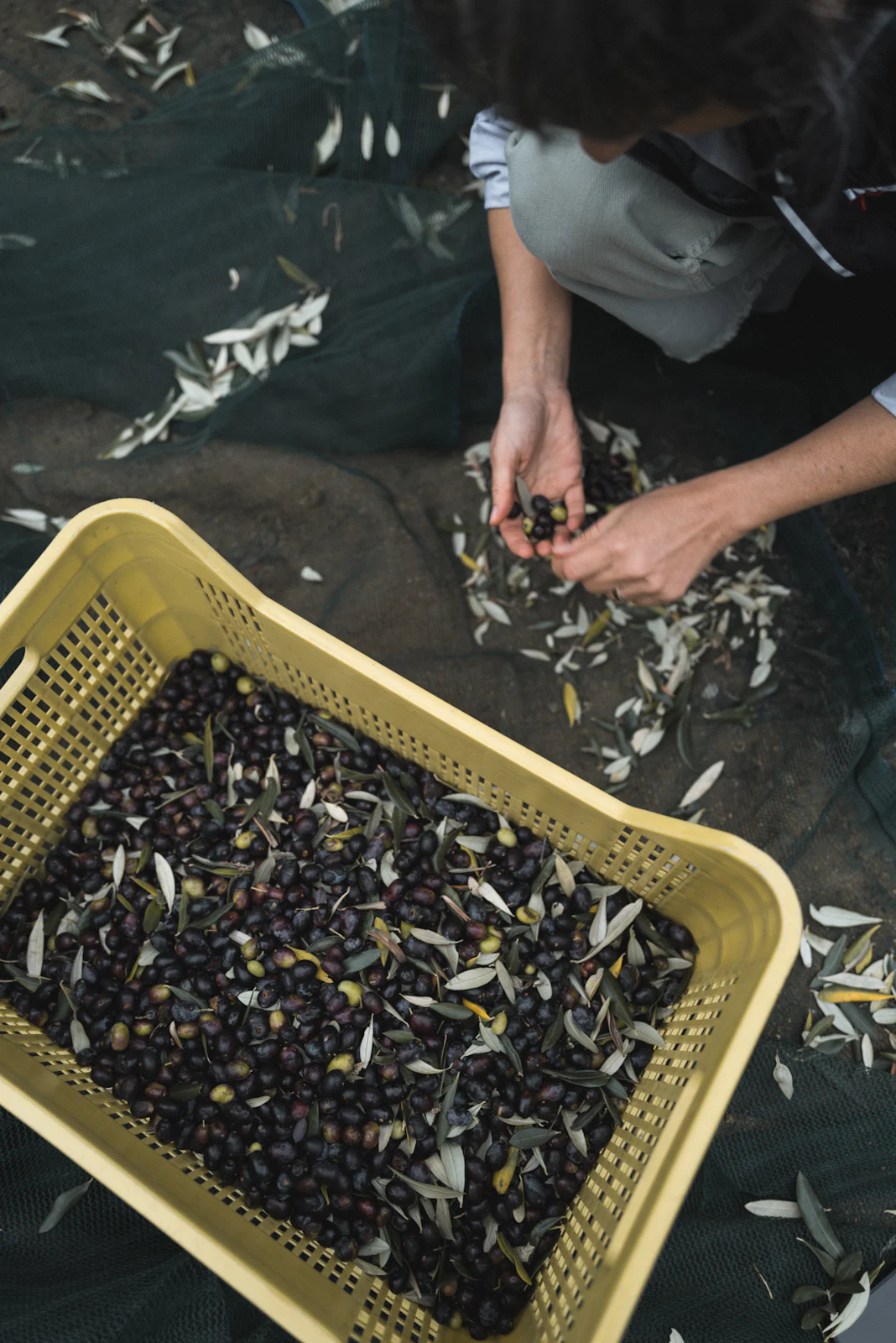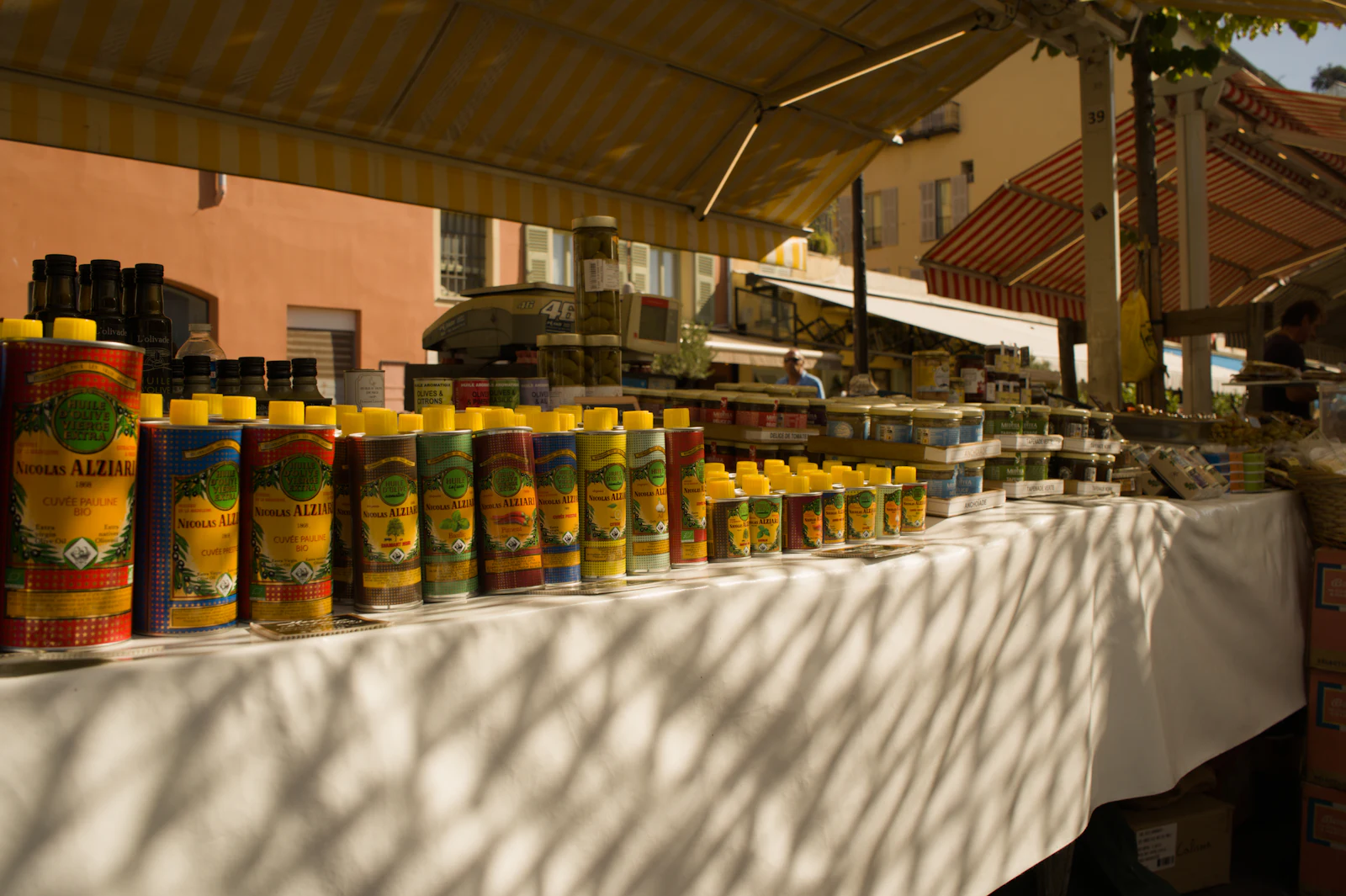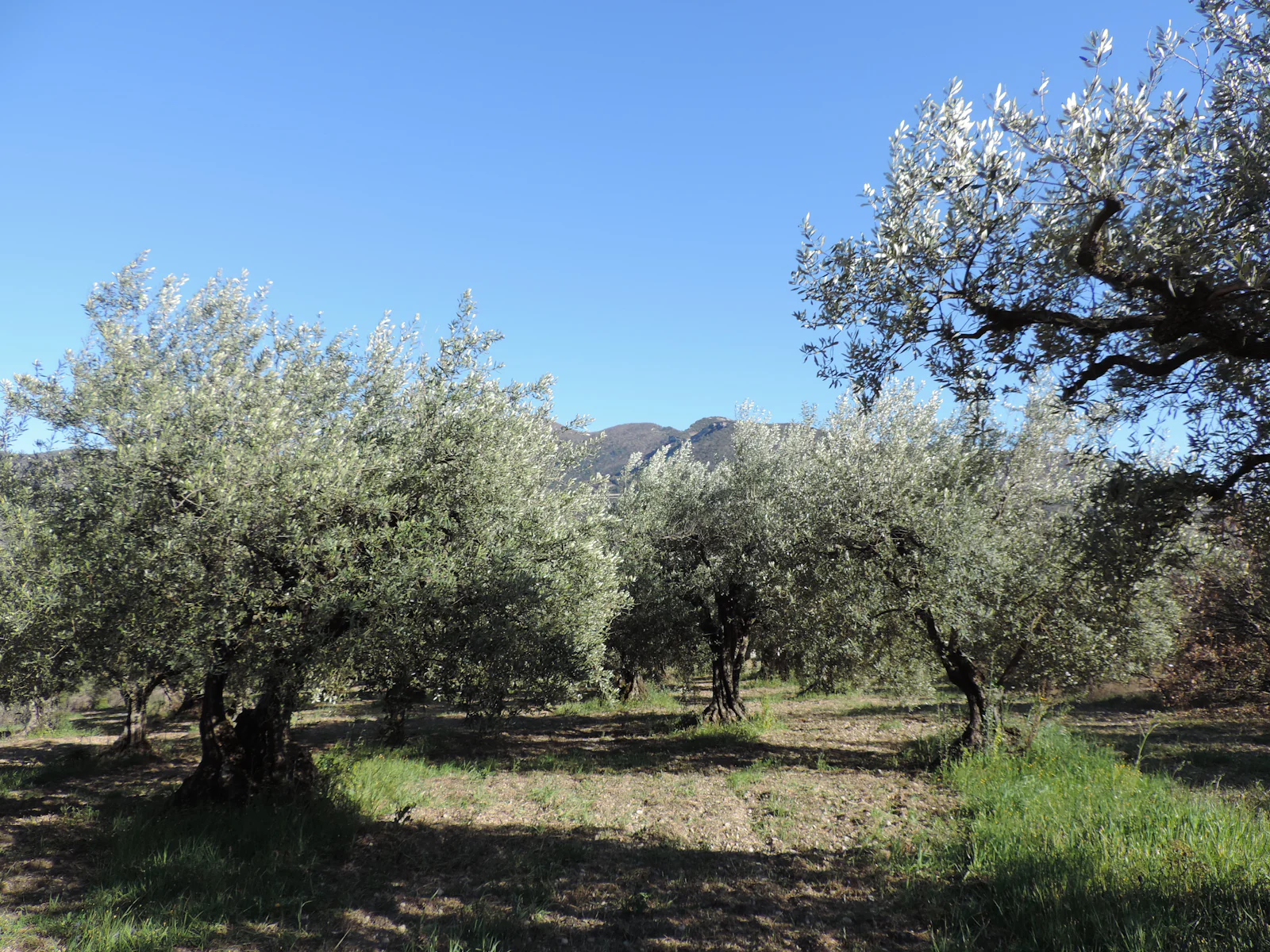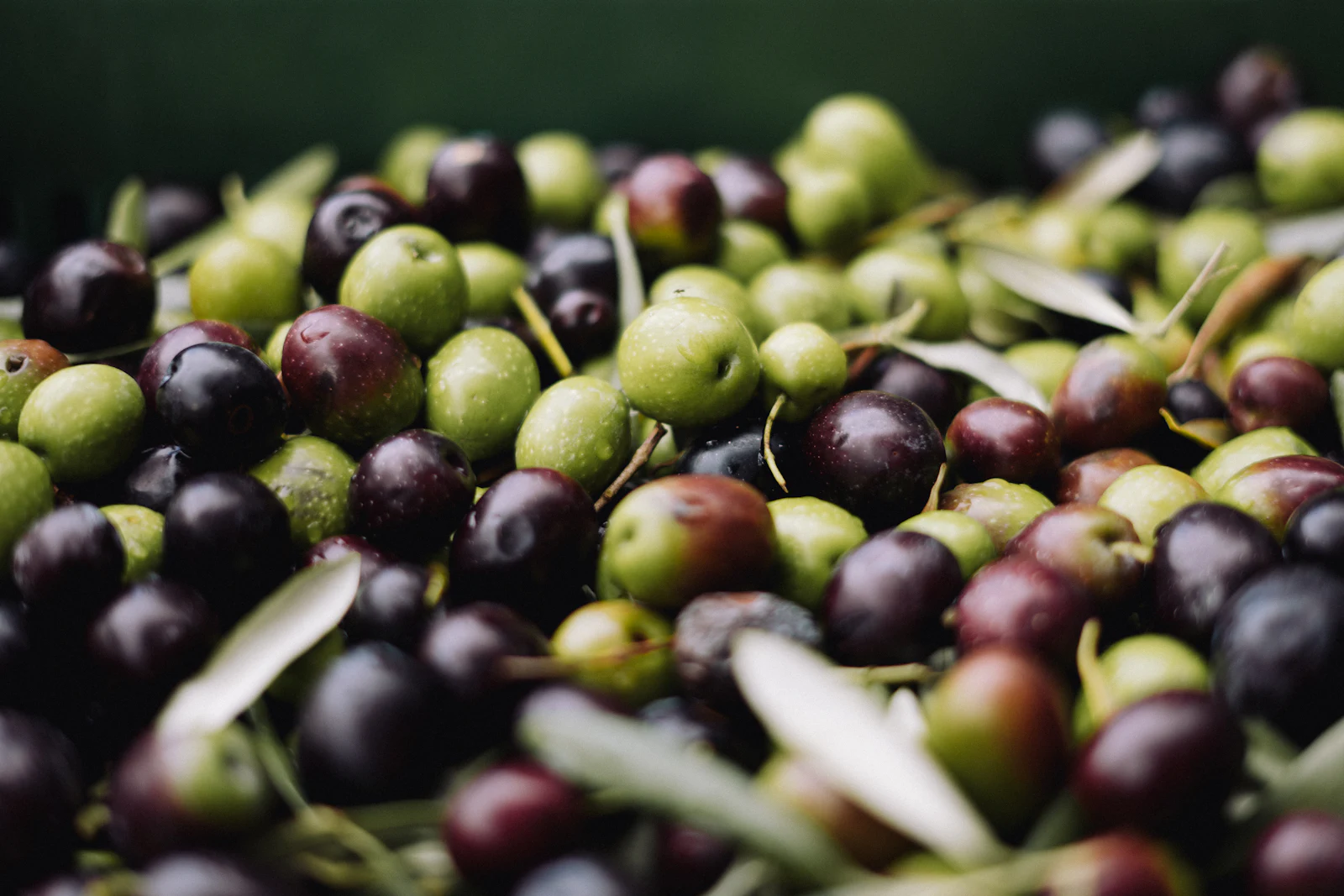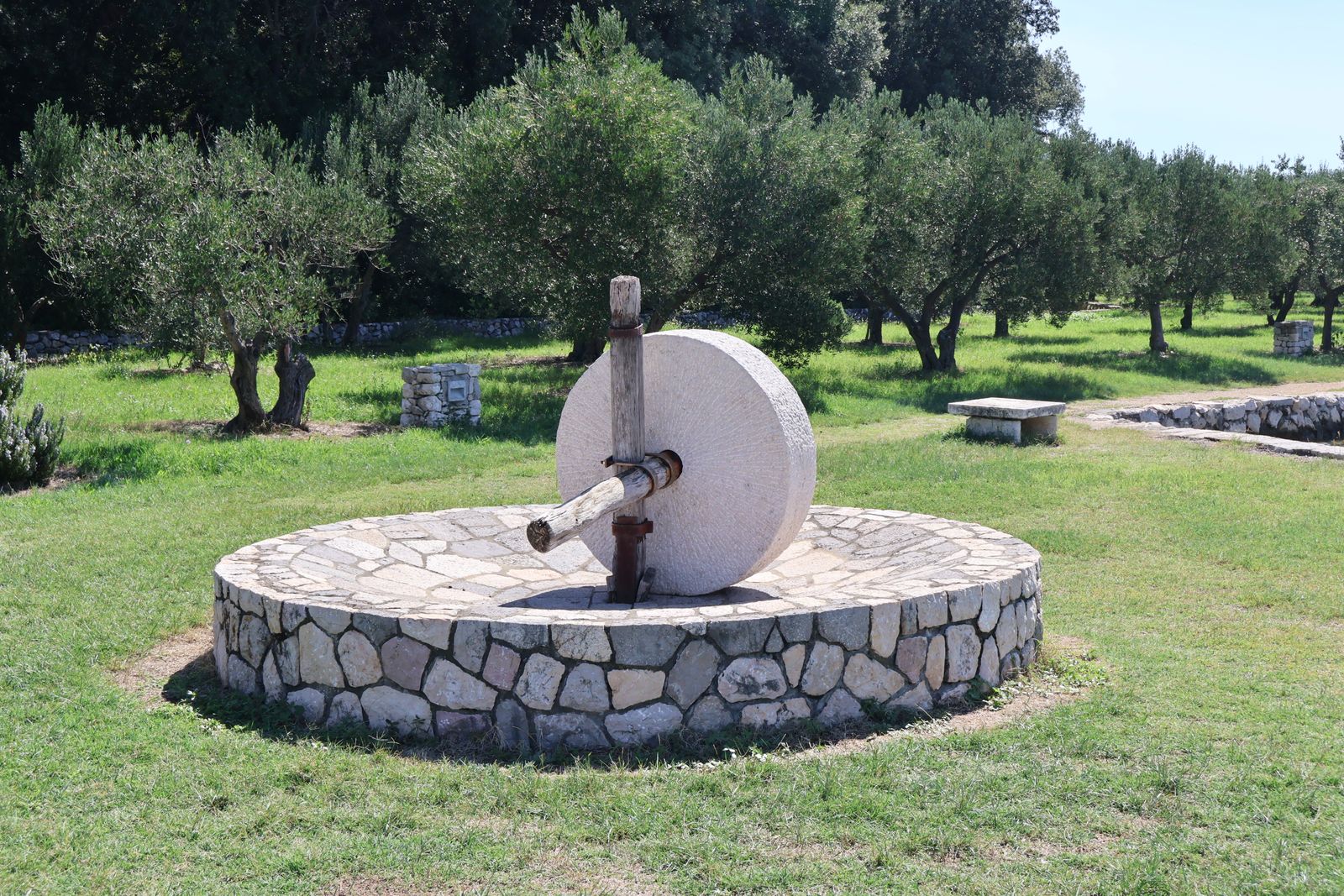
Tunisia is Africa's largest olive oil country. Olive trees have shaped the landscape since antiquity, from the hills of the north to the vast groves around Sfax. Much of the harvest is exported, often in bulk to Spain and Italy, but increasingly also bottled and organic.
Tunisia in figures
| Production 2024/25 | 340,000 tonnes (IOC, provisional) |
| Share of world production | almost 10% |
| Olive trees and area | more than 120 million trees on over 2 million hectares |
| Exports per year | around 200,000 tonnes |
| Designations of origin | Téboursouk (national and registered with WIPO) |
| Key varieties | Chemlali, Chétoui, Oueslati, Jerboui, Zalmati |
The main growing areas
- Sfax and the south: huge, traditionally widely spaced groves in a dry climate, dominated by the Chemlali variety, which needs little water and gives mild, delicate oils.
- Sahel: the coastal region around Sousse, Monastir and Mahdia with a long olive oil tradition.
- Centre: Kairouan and Sidi Bouzid with growing, partly irrigated plantations.
- North: Béja, Siliana and Bizerte, where the more robust Chétoui variety grows, for example around Téboursouk.
The Téboursouk designation of origin
The olive oil of Téboursouk in northern Tunisia is the country's first controlled designation of origin (AOC) for olive oil. It was recognised by order of the Minister of Agriculture on 9 January 2018 and registered internationally with the World Intellectual Property Organization (WIPO) under number 1150 on 3 March 2020. The oil is made from the native Chétoui, Jerboui and Sayali varieties and is fruity, bitter and slightly pungent, with notes of rosemary, tomato and artichoke. Tunisian olive oils are not, however, listed in the EU register.
Competitions and awards
- Concours de la meilleure huile d'olive vierge extra: the national competition of the Office National de l'Huile (ONH) is supported by the International Olive Council and follows the rules of the Mario Solinas award. The ninth edition started in December 2025.
- Mario Solinas 2025: at the Olive Council's international quality competition, Tunisia ranked second in the 2025 country standings.
Where Tunisia exports its olive oil
According to UN trade statistics (World Bank WITS, tariff code 150910), Tunisia's virgin olive oil exports in 2023 were distributed as follows:
| Destination | Value (USD million) | Volume (tonnes) | Share of export value |
|---|---|---|---|
| Spain | 124.5 | 15,301 | 35% |
| Italy | 95.9 | 11,876 | 27% |
| United States | 65.7 | 8,227 | 19% |
| France | 27.8 | 3,319 | 8% |
| Canada | 16.7 | 1,918 | 5% |
Important: the volumes reported under this tariff code are well below official Tunisian figures of around 200,000 tonnes exported a year. The table therefore mainly shows which markets matter: Spain and Italy are the main buyers, followed by the USA, France and Canada.
Three Tunisian recipes with olive oil
Slata mechouia (grilled vegetable salad)
Serves 4: 4 peppers, 2 hot chillies, 4 tomatoes, 1 onion, 2 garlic cloves, 1 tsp caraway, 1 tin tuna, 2 hard-boiled eggs, 5 tbsp extra virgin olive oil, lemon juice, salt.
- Char the peppers, chillies, tomatoes and onion in the oven or on the grill, peel and chop finely.
- Mix with crushed garlic, caraway, salt, lemon juice and olive oil.
- Garnish with tuna and egg quarters and serve with a drizzle of olive oil.
Lablabi (chickpea soup)
Serves 4: 400 g cooked chickpeas, 1 l stock, 4 garlic cloves, 2 tsp cumin, 1 tbsp harissa, stale bread, lemon juice, 4 tbsp extra virgin olive oil, capers, salt.
- Simmer the chickpeas with stock, garlic and cumin for 15 minutes.
- Tear the bread into bowls and pour the soup over.
- Serve with harissa, lemon juice, capers, cumin and plenty of olive oil.
Ojja (eggs in tomato and pepper sauce)
Serves 4: 4 tbsp extra virgin olive oil, 2 peppers, 3 garlic cloves, 4 tomatoes, 1 tbsp tomato purée, 1 tsp harissa, 1 tsp caraway, 4 eggs, salt.
- Soften the peppers and garlic in the olive oil.
- Add tomatoes, tomato purée, harissa, caraway and salt and simmer for 10 minutes.
- Crack in the eggs, cover until set and serve with bread.
Frequently asked questions
How much olive oil does Tunisia produce?
340,000 tonnes in 2024/25 according to the International Olive Council, almost 10 per cent of world production. Harvests vary greatly with rainfall.
Which olive variety is typical of Tunisia?
Chemlali, which grows mainly in the centre and south and gives mild oils. In the north the more robust Chétoui is common.
Is Tunisian olive oil good?
Tunisia produces a lot of extra virgin olive oil and, according to its Ministry of Agriculture, is the largest exporter of organic olive oil. As with any country, the individual product matters: check the harvest year, origin and freshness.
Are there protected olive oils from Tunisia?
Yes, the olive oil of Téboursouk has been a recognised designation of origin since 2018 and registered with WIPO since 2020.
Sources
- International Olive Council: Olive sector statistics – December 2025
- AllAfrica: La Tunisie première productrice d'huile d'olive biologique à l'échelle mondiale (22 Oct 2025)
- WMC: L'huile d'olive de Téboursouk enregistrée en tant qu'appellation d'origine protégée (10 Jul 2020)
- AOC-IP Tunisia: Huile d'olive Téboursouk
- Directinfo: Launch of the 9th best extra virgin olive oil competition (8 Dec 2025)
- WMC: Tunisia ranked 2nd at the Mario Solinas 2025 international competition (10 Apr 2025)
- World Bank WITS / UN Comtrade: Tunisia exports of virgin olive oil (HS 150910), 2023