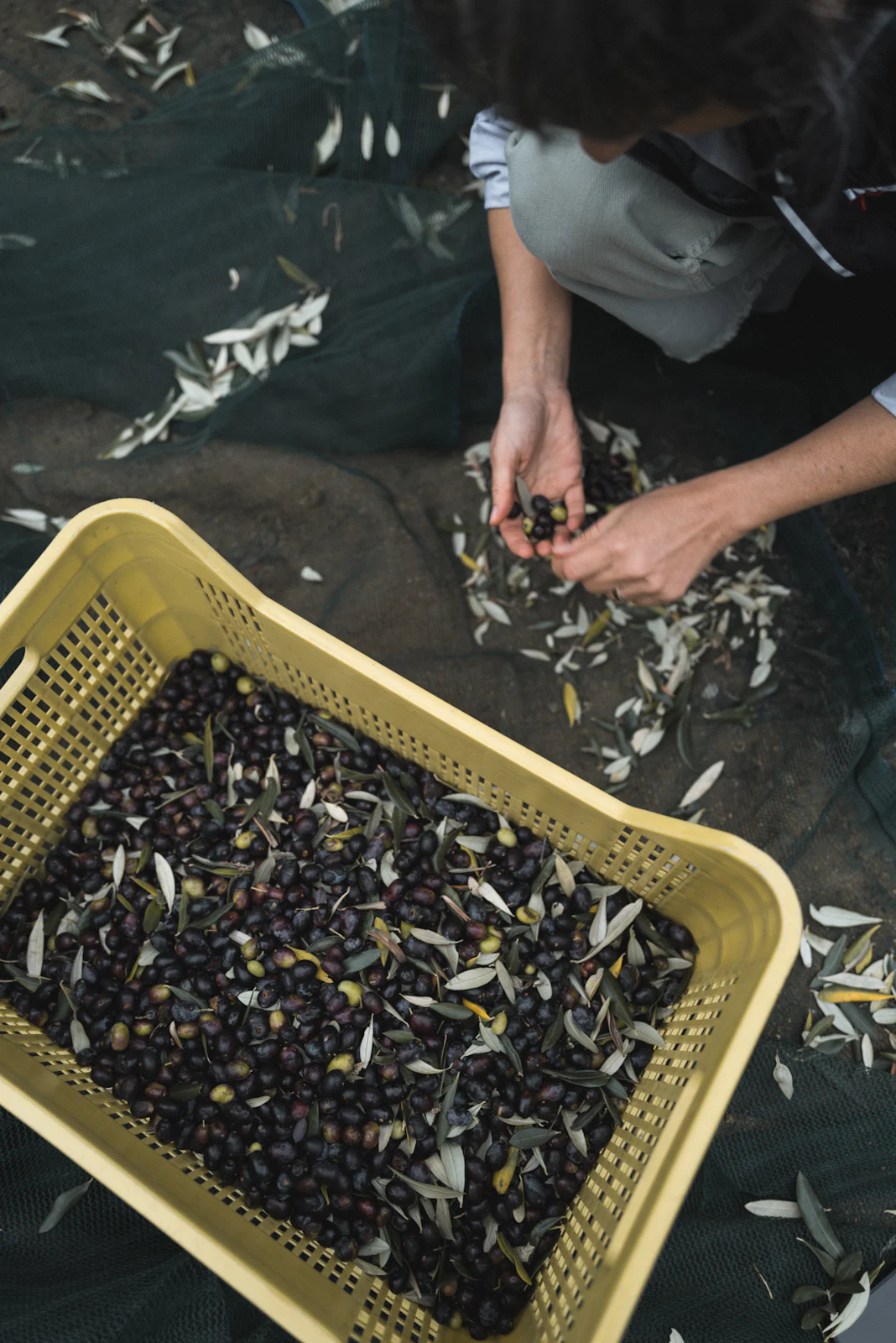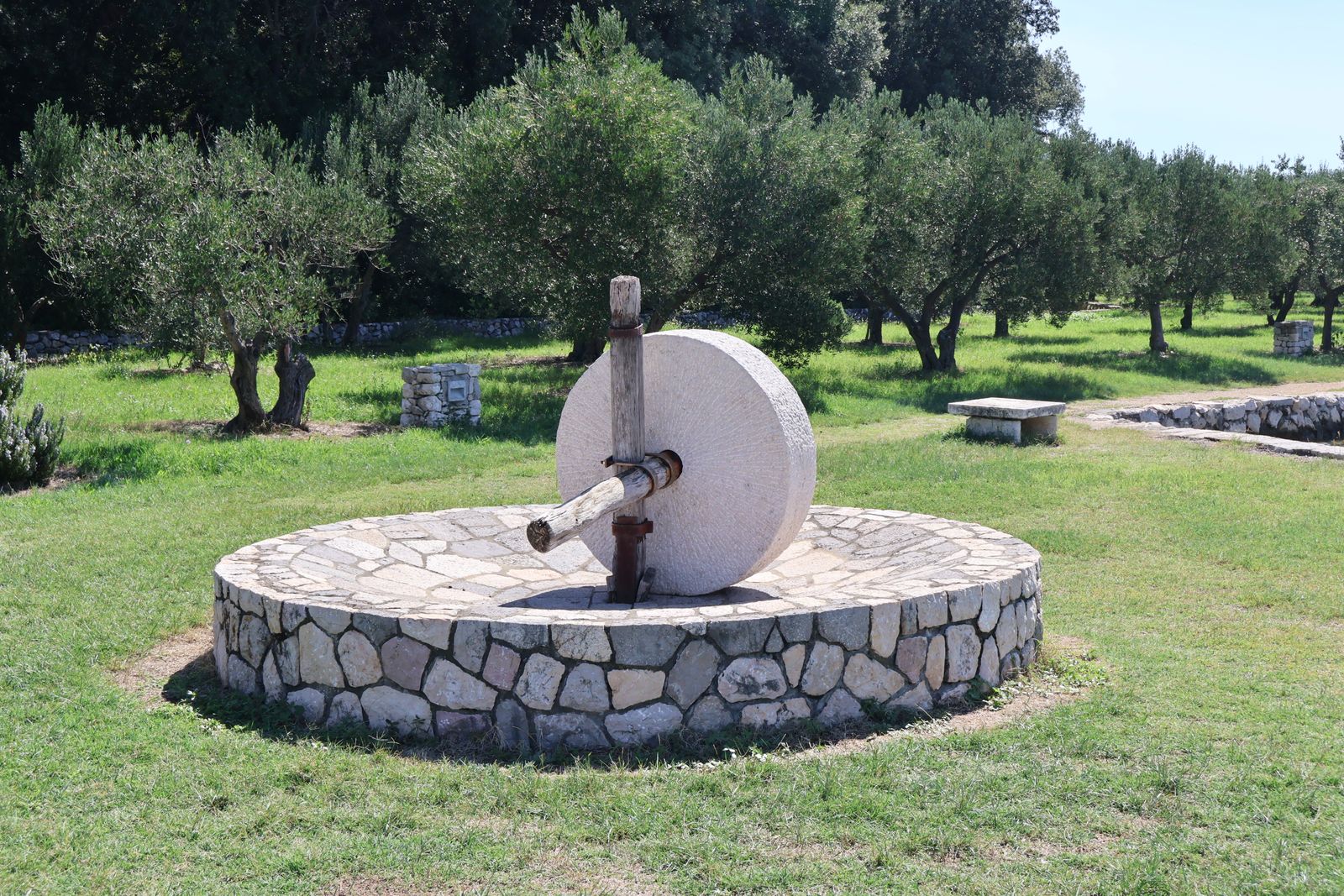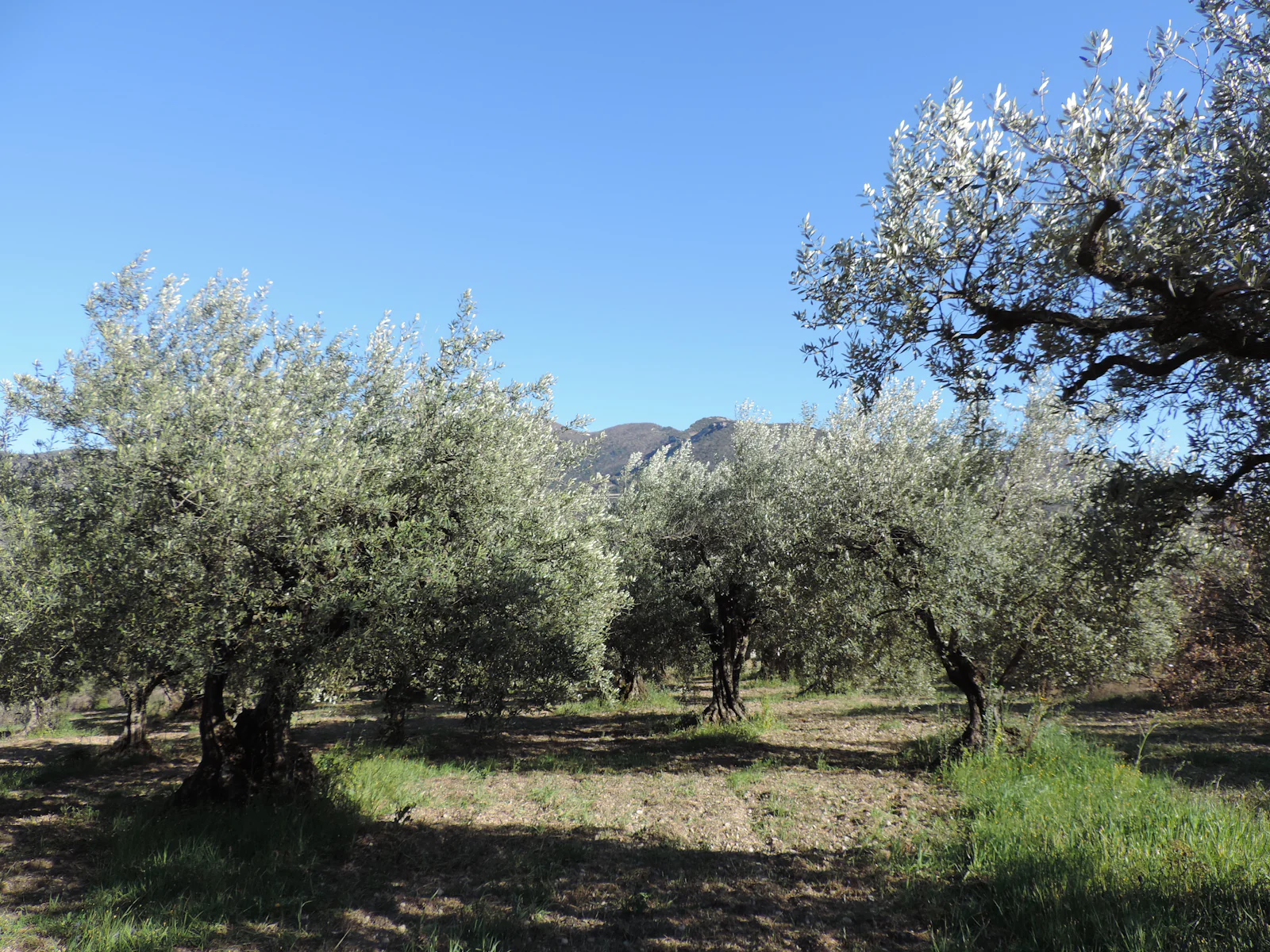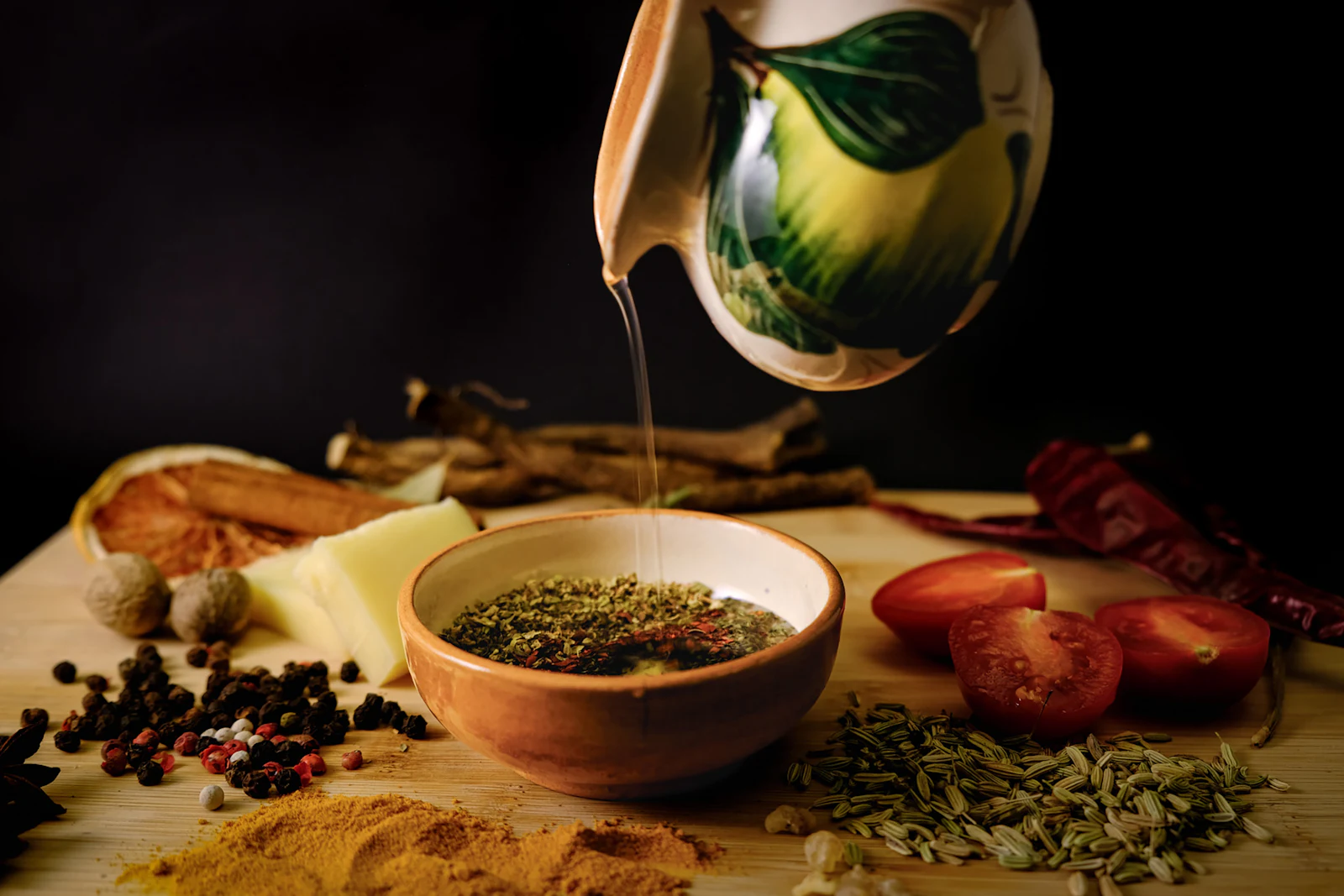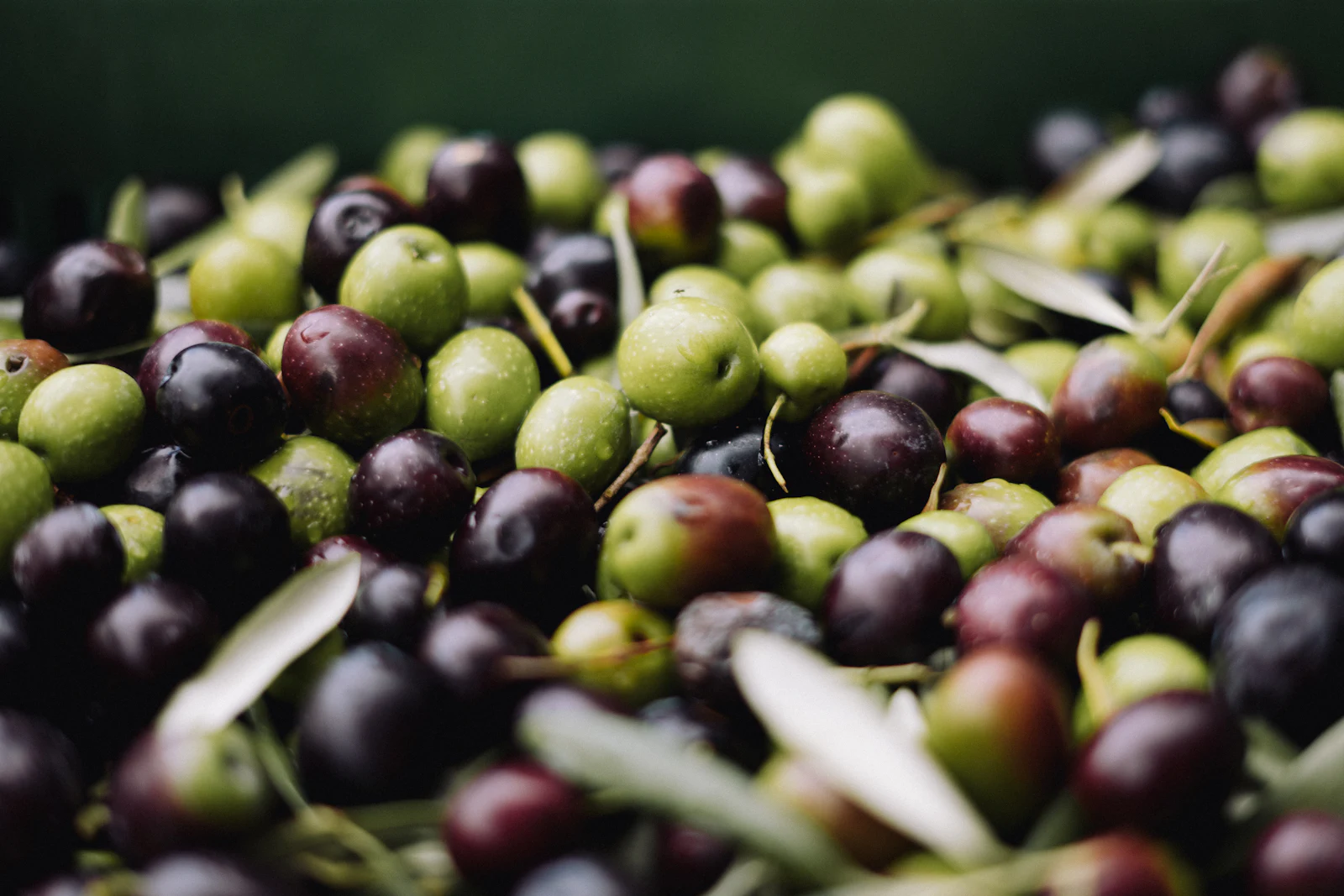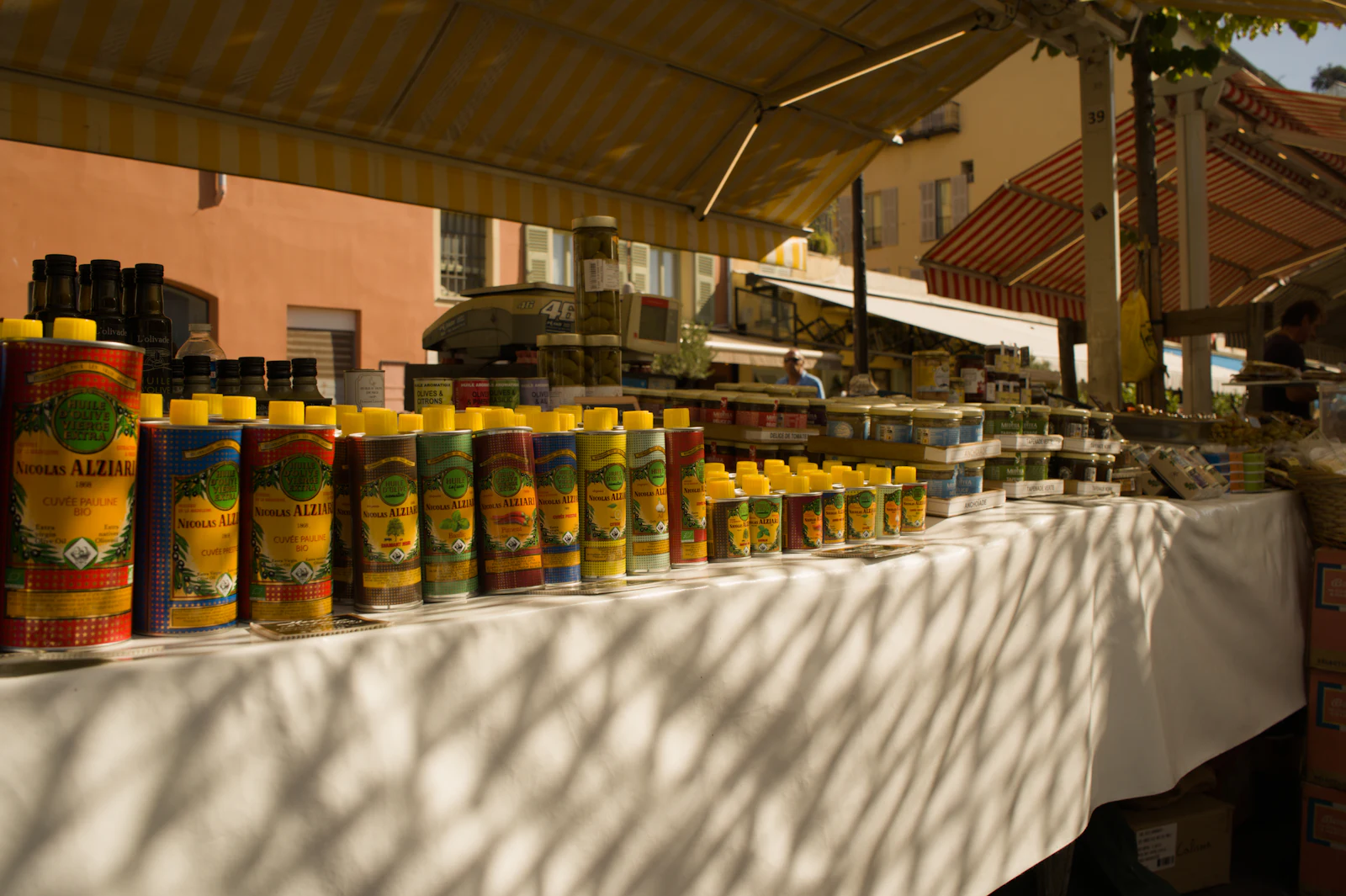
Türkiye has risen to become one of the major olive oil countries in recent years. In the 2024/25 season its record harvest even surpassed Tunisia, Greece and Italy. Olive trees have grown here for millennia, especially on the Aegean coast, and shape a cuisine of its own: the zeytinyağlılar, vegetable dishes in olive oil.
Türkiye in figures
| Production 2024/25 | 505,000 tonnes (IOC, provisional, record) |
| Share of world production | around 14% |
| Olive area | around 846,000 hectares |
| Protected olive oils (EU register) | 4 (all PDO) |
| Key varieties | Ayvalık (Edremit), Memecik, Gemlik, Nizip Yağlık, Sarıulak, Uslu, Domat |
| Virgin olive oil exports 2023 | 108,731 tonnes worth USD 521 million |
The main growing areas
| Region | Share of olive production |
|---|---|
| Aegean | 53% |
| Mediterranean | 23% |
| Marmara | 18% |
| Southeastern Anatolia | 6% |
- Northern Aegean: Balıkesir with Ayvalık and Edremit, known for delicate, fruity oils from the Ayvalık variety.
- Southern Aegean: Aydın, Muğla with Milas, and Manisa with Akhisar and İzmir, where the robust Memecik dominates.
- Marmara: Bursa with Gemlik, known for the variety of the same name, used mainly for black table olives.
- Mediterranean and southeast: Mersin with Mut and Tarsus, Hatay, and Gaziantep with the Nizip Yağlık variety.
Protected olive oils
The EU register eAmbrosia lists four Turkish olive oils as protected designations of origin (PDO): Aydın Memecik Zeytinyağı, Edremit Zeytinyağı, Milas Zeytinyağı and Mut Zeytinyağı. They are therefore also protected against imitation in the EU.
Competitions and awards
- IOC Mario Solinas Turkey Quality Award: the national quality competition is run by the National Olive and Olive Oil Council (UZZK) under the auspices of the International Olive Council. UZZK was founded in 2007 as the first product council in Turkish agriculture.
- International competitions in Türkiye: the Anatolian International Olive Oil Competition and the Olive Istanbul International Olive Oil Competition judge oils from Türkiye and other countries.
Where Türkiye exports its olive oil
According to UN trade statistics (World Bank WITS, tariff code 150910), Türkiye exported virgin olive oils worth USD 521 million in 2023:
| Destination | Value (USD million) | Volume (tonnes) | Share of export value |
|---|---|---|---|
| Spain | 247.6 | 53,936 | 48% |
| United States | 77.9 | 14,379 | 15% |
| Italy | 38.1 | 9,643 | 7% |
| Saudi Arabia | 33.5 | 7,677 | 6% |
| Japan | 27.1 | 4,504 | 5% |
Spain buys almost half, often in bulk to be processed and re-exported. Important direct markets include the USA, Saudi Arabia and Japan.
Three Turkish recipes with olive oil
Zeytinyağlı enginar (artichokes in olive oil)
Serves 4: 6 artichoke bottoms, 1 lemon, 1 onion, 2 carrots, 1 potato, 100 g peas, 100 ml extra virgin olive oil, 1 tsp sugar, dill, salt.
- Keep the artichoke bottoms in lemon water. Dice the onion, carrots and potato.
- Soften the onion in the olive oil, then add the vegetables, peas, sugar, salt and a little water.
- Place the artichokes on top, braise covered for 30 minutes until tender and cool in the liquid. Serve cold with dill.
Zeytinyağlı yaprak sarma (stuffed vine leaves)
Serves 4: 40 brined vine leaves, 200 g rice, 2 onions, 2 tbsp pine nuts, 2 tbsp currants, 1 tsp cinnamon, mint and dill, 150 ml extra virgin olive oil, 1 lemon, salt.
- Finely chop the onions and cook them in half the oil; briefly toast the pine nuts and rice.
- Add currants, spices, herbs and a little water and leave to swell for 5 minutes.
- Roll the filling in the vine leaves, pack tightly in a pot, barely cover with the remaining oil, lemon juice and water and simmer covered for 45 minutes. Serve cold.
İmam bayıldı (braised aubergines)
Serves 4: 4 aubergines, 3 onions, 4 garlic cloves, 3 tomatoes, 2 long green peppers, parsley, 150 ml extra virgin olive oil, salt, 1 tsp sugar.
- Peel the aubergines in stripes, slit lengthwise, salt and leave for 20 minutes, then brown all over in olive oil.
- Soften the onions, garlic, peppers and tomatoes in the remaining oil and season with parsley, sugar and salt.
- Fill the aubergines, add a little water and braise in the oven at 180 °C for 40 minutes. Serve warm or cold.
Frequently asked questions
How much olive oil does Türkiye produce?
A record 505,000 tonnes in 2024/25 according to the International Olive Council, making Türkiye the world's second-largest producer after Spain.
Where is most olive oil produced in Türkiye?
In the Aegean region, which supplies around 53 per cent of olives, especially Aydın, Manisa, İzmir, Balıkesir and Muğla.
What does “zeytinyağlı” mean?
“With olive oil”. In Türkiye the term describes vegetable dishes braised in olive oil and usually served cold, such as artichokes, green beans or stuffed vine leaves.
Which Turkish olive oils are protected?
In the EU register: Aydın Memecik, Edremit, Milas and Mut, all as protected designations of origin.
Sources
- International Olive Council: Olive sector statistics – December 2025
- Wikipedia (Turkish): Türkiye'de zeytin üretimi
- EU register of geographical indications (eAmbrosia), accessed 17 Sep 2026
- World Bank WITS / UN Comtrade: Türkiye exports of virgin olive oil (HS 150910), 2023
- International Olive Council: IOC Mario Solinas Turkey Quality Award
- Olive Oil Times: Turkey Holds First Mario Solinas National Olive Oil Competition
- Anatolian International Olive Oil Competition
- Olive Istanbul International Olive Oil Competition