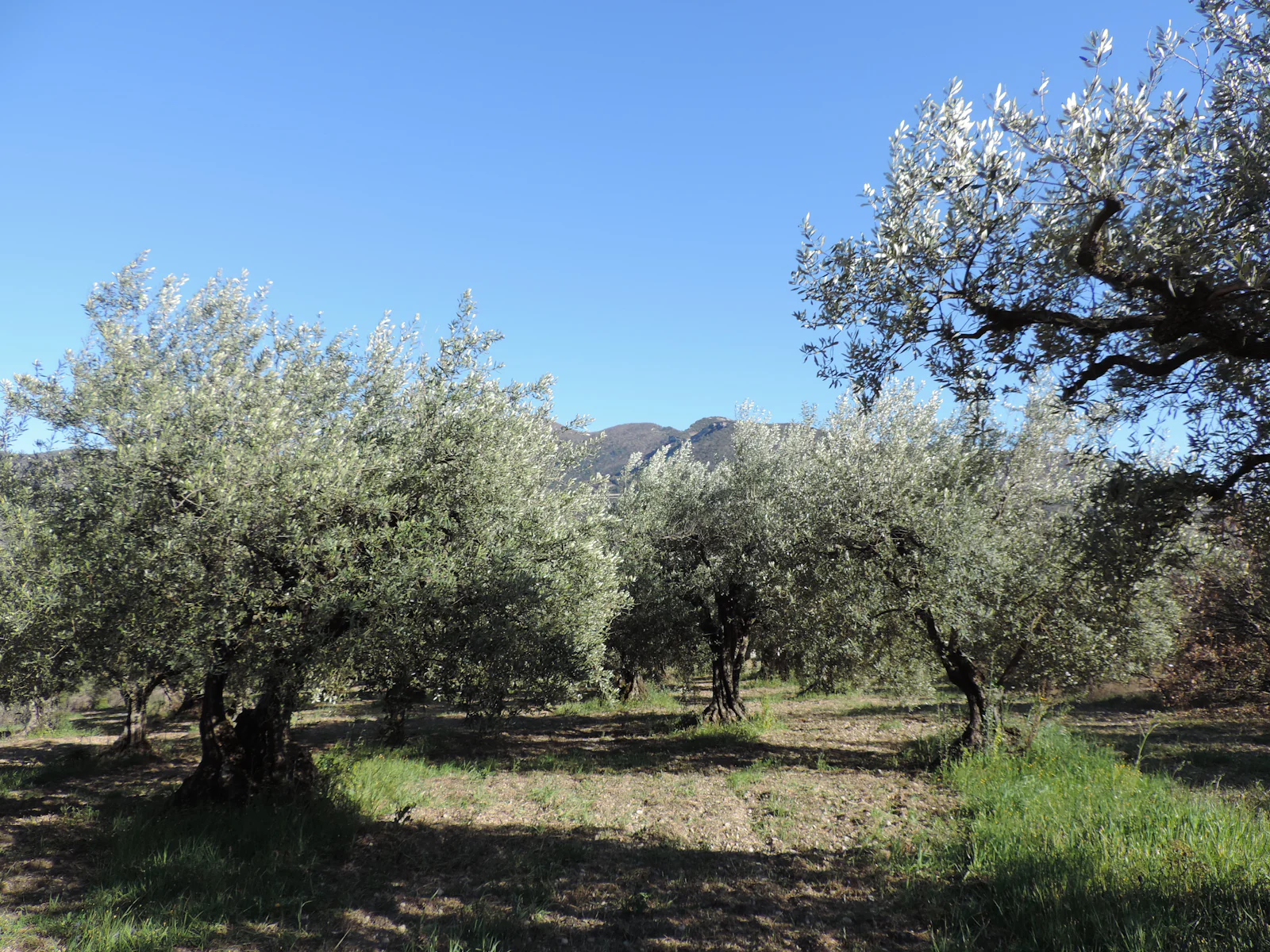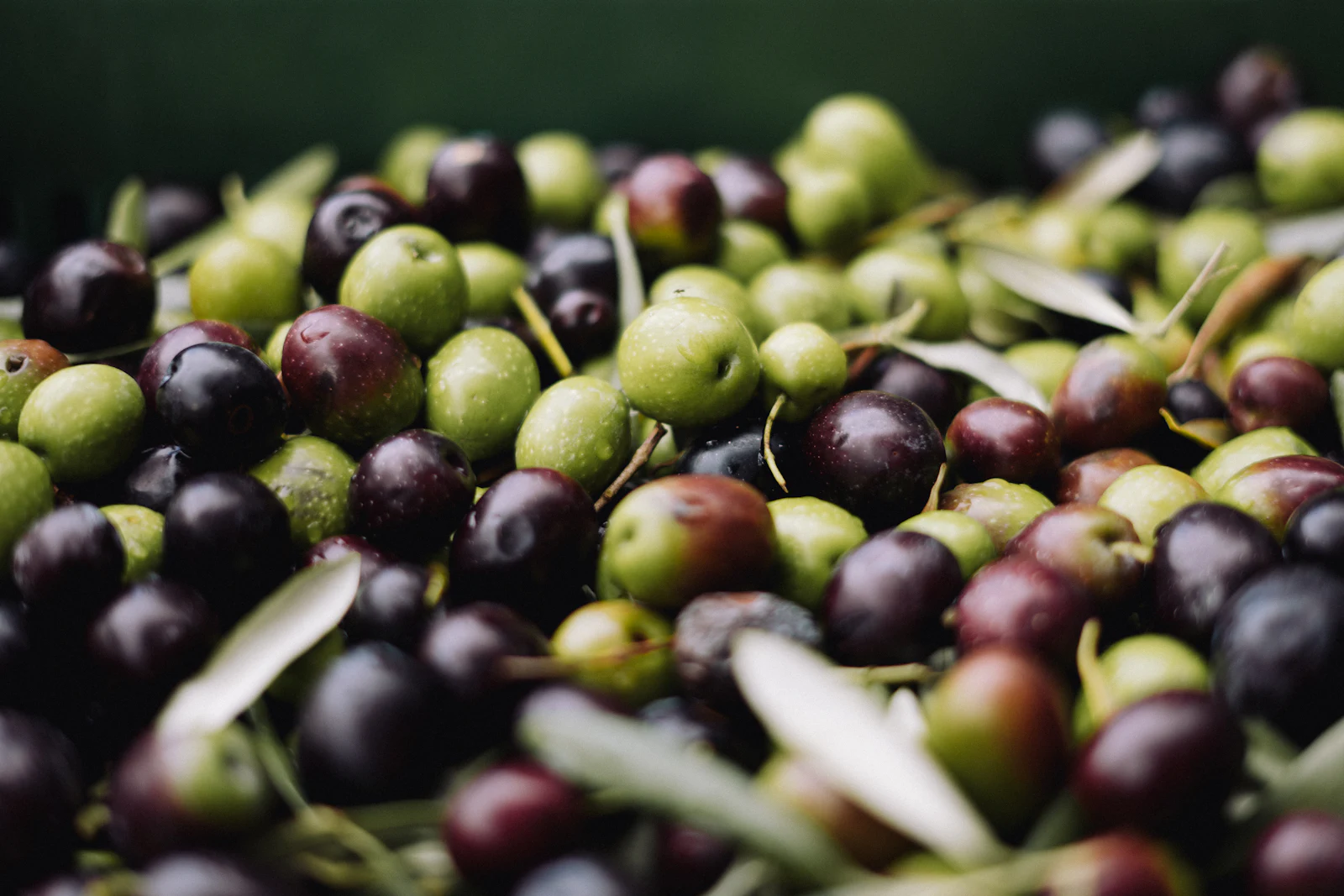
Few olive oil countries have changed as fast as Portugal. Only a few years ago the country had to import olive oil. The Alqueva reservoir in Alentejo made large irrigated olive groves possible, and today Portugal is one of Europe's key producers and exporters.
Portugal in figures
| Production 2024/25 | 177,000 tonnes (IOC, provisional) |
| Share of world production | around 5% |
| Alentejo's share | 75 to 80% |
| Protected olive oils (EU register) | 6 (all PDO) |
| Key varieties | Galega Vulgar, Cordovil de Serpa, Verdeal Alentejana, Cobrançosa, Madural, Verdeal Transmontana |
| Virgin olive oil exports 2023 | 149,314 tonnes worth USD 1.01 billion |
The main growing areas
- Alentejo: 75 to 80 per cent of Portuguese production. In the Alqueva irrigation area of around 120,000 hectares, about 60 per cent is planted with olives, often in intensive and super-intensive orchards. Traditional oils from Moura and Serpa are based on Cordovil, Galega and Verdeal.
- Trás-os-Montes: the mountainous northeast with old groves and varieties such as Cobrançosa, Madural and Verdeal Transmontana.
- Beira Interior and Ribatejo: traditional inland areas and the Tagus valley, where Galega predominates.
Designations of origin: 6 protected olive oils
The EU register eAmbrosia lists six Portuguese olive oils as protected designations of origin (PDO): Azeite de Moura, Azeite de Trás-os-Montes, Azeite do Alentejo Interior, Azeites da Beira Interior, Azeites do Norte Alentejano, Azeites do Ribatejo.
Competitions and awards
- Concurso Nacional de Azeites de Portugal (CNAP): the national olive oil competition has been organised since 2007 by the Centro de Estudos e Promoção do Azeite do Alentejo (CEPAAL) and the Centro Nacional de Exposições e Mercados Agrícolas (CNEMA). Winners are announced at the Feira Nacional de Agricultura in Santarém.
Where Portugal exports its olive oil
According to UN trade statistics (World Bank WITS, tariff code 150910), Portugal exported virgin olive oils worth USD 1.01 billion in 2023:
| Destination | Value (USD million) | Volume (tonnes) | Share of export value |
|---|---|---|---|
| Spain | 528.5 | 85,860 | 52% |
| Brazil | 300.9 | 36,301 | 30% |
| Italy | 103.0 | 14,389 | 10% |
| France | 21.7 | 3,682 | 2% |
| United States | 16.7 | 2,648 | 2% |
Spain is the main buyer because the two countries' olive oil industries are closely intertwined. Brazil, with its shared language and food culture, has traditionally been a large market for Portuguese olive oil.
Three Portuguese recipes with olive oil
Bacalhau à lagareiro
Serves 4: 4 thick pieces of desalted salt cod, 1 kg small potatoes, 1 head of garlic, 200 ml extra virgin olive oil, coarse salt, parsley.
- Bake the potatoes in their skins on coarse salt at 200 °C for 30 minutes and crush them lightly (“batatas a murro”).
- Drizzle the cod with a little oil and bake for 15 to 20 minutes.
- Warm sliced garlic in the olive oil until fragrant and pour the hot oil over the fish and potatoes. Serve with parsley.
Açorda alentejana (bread soup)
Serves 4: 4 garlic cloves, 1 large bunch coriander, coarse salt, 6 tbsp extra virgin olive oil, 1 l boiling water, 4 eggs, stale country bread.
- Pound garlic, coriander and salt to a paste in a mortar, put it in a bowl and pour over the olive oil.
- Add the boiling water and poach the eggs in it.
- Place bread slices in bowls and pour over the soup with one egg each.
Caldo verde (kale soup)
Serves 4: 1 onion, 2 garlic cloves, 600 g floury potatoes, 1.2 l water, 250 g collard greens in fine strips, 4 slices chouriço, 4 tbsp extra virgin olive oil, salt.
- Cook the onion, garlic and potatoes in salted water until soft and purée.
- Add the greens and simmer for 5 minutes.
- Serve with slices of chouriço and a splash of raw olive oil.
Frequently asked questions
How much olive oil does Portugal produce?
177,000 tonnes in 2024/25 according to the International Olive Council, around 5 per cent of world production.
Where does most Portuguese olive oil come from?
From Alentejo, which supplies 75 to 80 per cent, mainly from the irrigated groves around the Alqueva reservoir.
Which designations of origin exist for Portuguese olive oil?
Six: Azeite de Moura, Azeite de Trás-os-Montes, Azeite do Alentejo Interior, Azeites da Beira Interior, Azeites do Norte Alentejano and Azeites do Ribatejo.
What does “à lagareiro” mean?
“The olive miller's way”: dishes, usually salt cod or octopus, served with plenty of olive oil and garlic.
Sources
- International Olive Council: Olive sector statistics – December 2025
- Qualfood / Diário do Alentejo: 80% do azeite português é produzido no Alentejo (8 Sep 2021)
- EU register of geographical indications (eAmbrosia), accessed 17 Sep 2026
- World Bank WITS / UN Comtrade: Portugal exports of virgin olive oil (HS 150910), 2023
- Concurso Nacional de Azeites de Portugal (CNAP)
- CNEMA: Concurso Nacional de Azeites de Portugal 2026