The Basque Country is one of Europe's great food regions: pintxos in San Sebastián, cod in pil-pil, txakoli and Rioja wines. Less well known is that extra virgin olive oil is made here too. In the south of the province of Álava, in the Rioja Alavesa wine region on the Ebro, olive trees grow among the vines. Since 2012 their oil has carried the Basque quality label Eusko Label.
What is Eusko Label?
Eusko Label is a quality label for agricultural and food products from the Basque Autonomous Community. Its logo shows a large “K” for “Kalitatea”, Basque for quality. The label guarantees origin, authenticity and a quality verified by inspections.
- 1989: the Basque Government creates the Eusko Label brand and its regulatory council by Decree 203/1989.
- 1992: the first Eusko Label products reach the shops.
- 1998: the Basque Government's agriculture department sets up the Kalitatea Foundation, which has managed the label since. Eusko Label remains under the government's protection.
- Today: inspection and certification are handled by HAZI, the Basque Government's foundation for rural development.
Eusko Label products include beef, milk-fed lamb, honey, eggs, milk, tuna, potatoes, Gernika and Ibarra peppers, tomatoes, beans and cider. Two of them, Basque beef and the Gernika pepper, are also recognised by the EU as a protected geographical indication and a protected designation of origin respectively. The aim is to guarantee quality and origin to consumers and strengthen Basque producers against cheaper imports.
Olive oil with Eusko Label since 2012
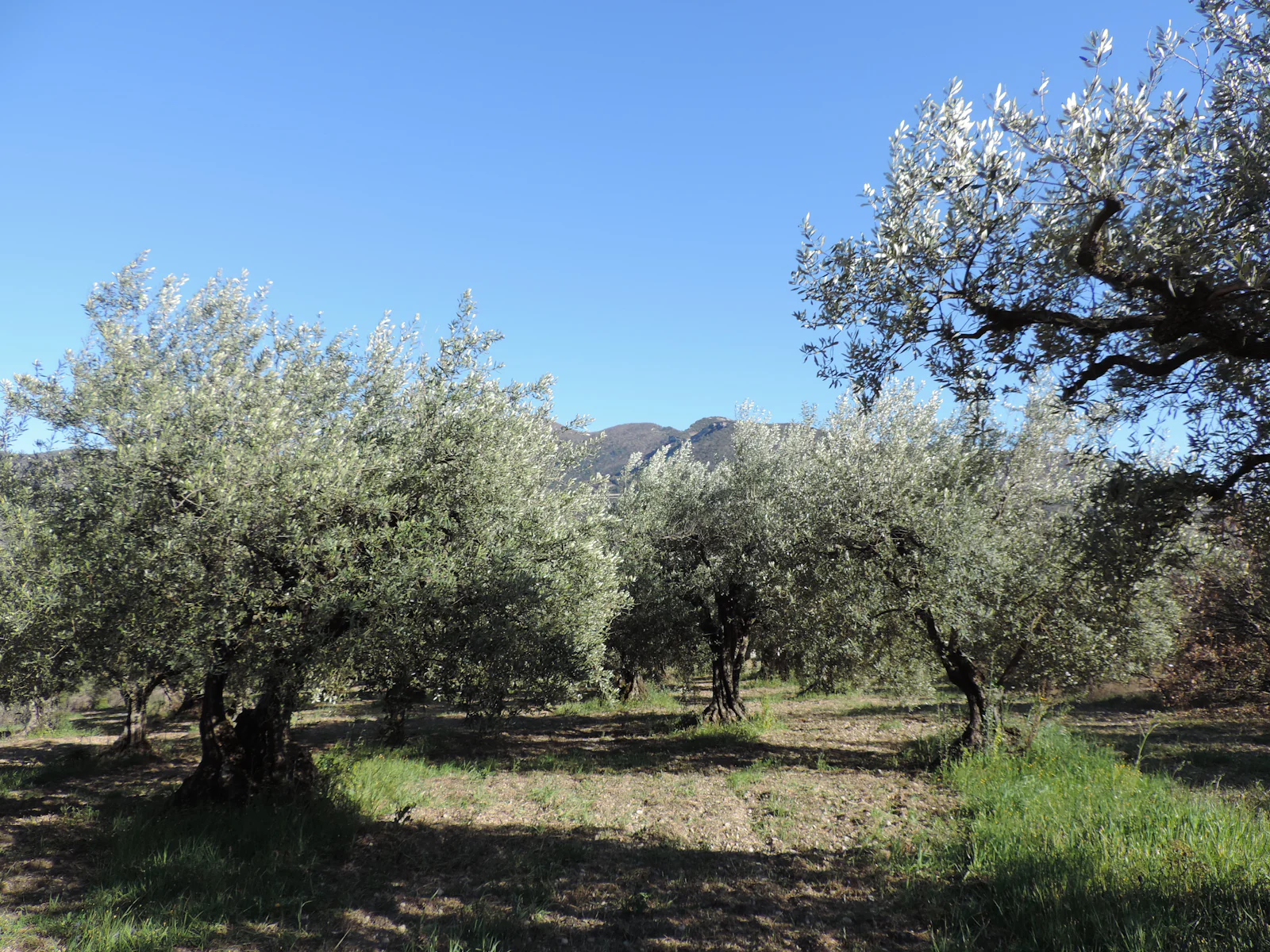
In March 2012 the Basque Government announced extra virgin olive oil as a new Eusko Label product. It pursued several goals: diversifying agriculture in Álava, reviving traditional olive growing in the south of the province and complementing wine production.
At the time Álava had around 250 hectares of olive groves, with an estimated 80,000 litres of oil produced. In the first year 45.8 hectares were inspected; the government expected around 7,500 litres of certified oil, with potential for up to 20,000 litres.
The oil comes mainly from the Arróniz variety and is extracted cold by purely mechanical means. According to the government's description, the aromas range from green olive to spices and ripe olive; on the palate it is lightly to moderately bitter and pungent, with the banana and artichoke notes typical of Arróniz. That is the profile of a medium oil, and which dishes suit it is covered in our guide to pairing olive oil with food by intensity.
Rioja Alavesa: 2,000 years of olive growing
According to APRORA, the association promoting the olive tree and olive oil of Rioja Alavesa, olive growing in the region goes back more than 2,000 years and arrived with the Romans. At its peak it covered 1,100 hectares; today it is just over 300.
- Moreda de Álava: the La Equidad cooperative has been a reference for oil processing since 1947. Around 100 members from eight municipalities deliver their olives, and the mill processes about 150,000 kilos a year. Next to the modern plant from 2000 stands the old 1947 mill, now a museum. Guided visits are free by appointment. The oil carries Eusko Label and is certified organic.
- Lanciego: home to the oldest preserved mill in the region, still in operation and processing around 80,000 kilos of olives a year.
- Barriobusto: a small museum shows traditional oil making.
- Fiesta del Aceite: since 2010 the region has celebrated its olive oil with its own festival. The 13th edition took place on 14 and 15 March 2026 in Oyón and Moreda, with tastings, mill visits and a Slow Food taste workshop.
Arróniz: the olive of the north
Arróniz comes from Navarre and Álava and is named after the Navarrese village of Arróniz. The variety is considered particularly cold-hardy, flowers late and ripens mid-season, which suits the climate of Rioja Alavesa.
Arróniz oils have medium to intense fruitiness with green notes and a characteristic, balanced bitterness and pungency, both stronger when picked early. The oils are considered stable and suit both raw use and frying. In Navarre, Arróniz is the flagship variety of the Aceite de Navarra PDO: a PDO oil must contain more than 10 per cent Arróniz. Another example of top oil from northern Spain is Artajo in Navarre.
Brands with Eusko Label
Production is small, so the choice is limited. Examples of Arróniz oils with Eusko Label:
- La Equidad – the cooperative's oil from Moreda de Álava, available among others in El Corte Inglés's gourmet range.
- Ostatu – Arróniz oil from the winery of the same name in Rioja Alavesa.
- Entreviñedos – olive oil from Bodegas José Córdoba in Rioja Alavesa.
It fits the region that wineries bottle Eusko Label olive oil: olive trees and vines have shared the slopes here for centuries. New projects such as Erroiz in Lanciego and Oliolive in Moreda also focus on olive oil and olive oil tourism.
Olive oil in Basque cuisine
Basque cooking is hard to imagine without olive oil. Some classics:
- Bacalao al pil-pil: cod in a sauce made only from olive oil, garlic and the fish's own gelatine.
- Kokotxas en salsa verde: hake or cod throats in a green sauce of olive oil, garlic and parsley.
- Marmitako: a stew of tuna, potatoes and peppers started in olive oil.
- Piperrada: peppers, onions and tomatoes stewed in olive oil.
- Gilda: San Sebastián's most famous pintxo – olive, anchovy and pickled chilli on a skewer, often with a splash of olive oil.
Recipe: bacalao al pil-pil
Serves 4: 4 desalted cod loins with skin (about 180 g each), 250 ml extra virgin olive oil, 4 garlic cloves, 1 small dried chilli.
- Pat the cod dry. Slice the garlic thinly.
- Warm the olive oil over low heat in an earthenware dish or wide pan. Gently cook the garlic and chilli until golden, remove and set aside.
- Let the oil cool slightly. Add the cod skin side up and cook over very low heat for 5 minutes, turn and leave for another 8 to 10 minutes until the fish releases white gelatine.
- Remove the fish. Swirl the pan with the lukewarm oil, or stir with a sieve, until oil and gelatine bind into a pale, thick sauce.
- Return the cod to the sauce, warm briefly and serve with the garlic and chilli.
Tip: a very robust, bitter oil can dominate the sauce. For a milder taste, blend Arróniz with a softer oil, for example Arbequina.
Buying Eusko Label olive oil in Switzerland
The small volumes are sold mainly in the Basque Country and through the online shops of producers and Spanish delicatessen retailers. Ask about delivery to Switzerland before ordering. If you bring oil back from a trip: edible oils up to 5 litres per person per day are duty-free. On the label, look for the Eusko Label “K” logo and the harvest year.
Frequently asked questions
What is Eusko Label?
The Basque Government's quality label for agricultural and food products from the Basque Country. It was created in 1989, and the first products reached the shops in 1992. Today the government foundation HAZI inspects certified products.
Where does Eusko Label olive oil come from?
From Rioja Alavesa in the south of the province of Álava, for example Moreda de Álava, Oyón and Lanciego. It is made mainly from the native Arróniz variety.
What does Arróniz olive oil taste like?
Green and fruity, with balanced bitterness and pungency and notes of banana and artichoke. Early-harvest oils are more intense.
Since when has there been olive oil with Eusko Label?
Since 2012. The Basque Government wanted to revive traditional olive growing in Álava and complement the region's wine production.
Sources
- Wikipedia: Eusko Label (Spanish)
- Basque Government (Euskadi.eus): Nuevo producto con Eusko Label – Aceite de Oliva Virgen Extra (30 Mar 2012)
- APRORA: Olive trees and oil of Rioja Alavesa
- Turismo Vasco: Trujal de Moreda, casa del aceite Equidad
- Visit Rioja Alavesa: Oleoturismo en Rioja Alavesa
- ZUK: Oion y Moreda acogen la XIII Fiesta del Aceite de Rioja Alavesa (2026)
- Balam: Arróniz olive variety
- Reyno Gourmet: Aceite de Navarra
- El Corte Inglés Club del Gourmet: Arróniz Eusko Label olive oil La Equidad
- Bodegas Ostatu: Arróniz extra virgin olive oil Eusko Label
- FOCBS: duty-free allowances for food, alcohol and tobacco