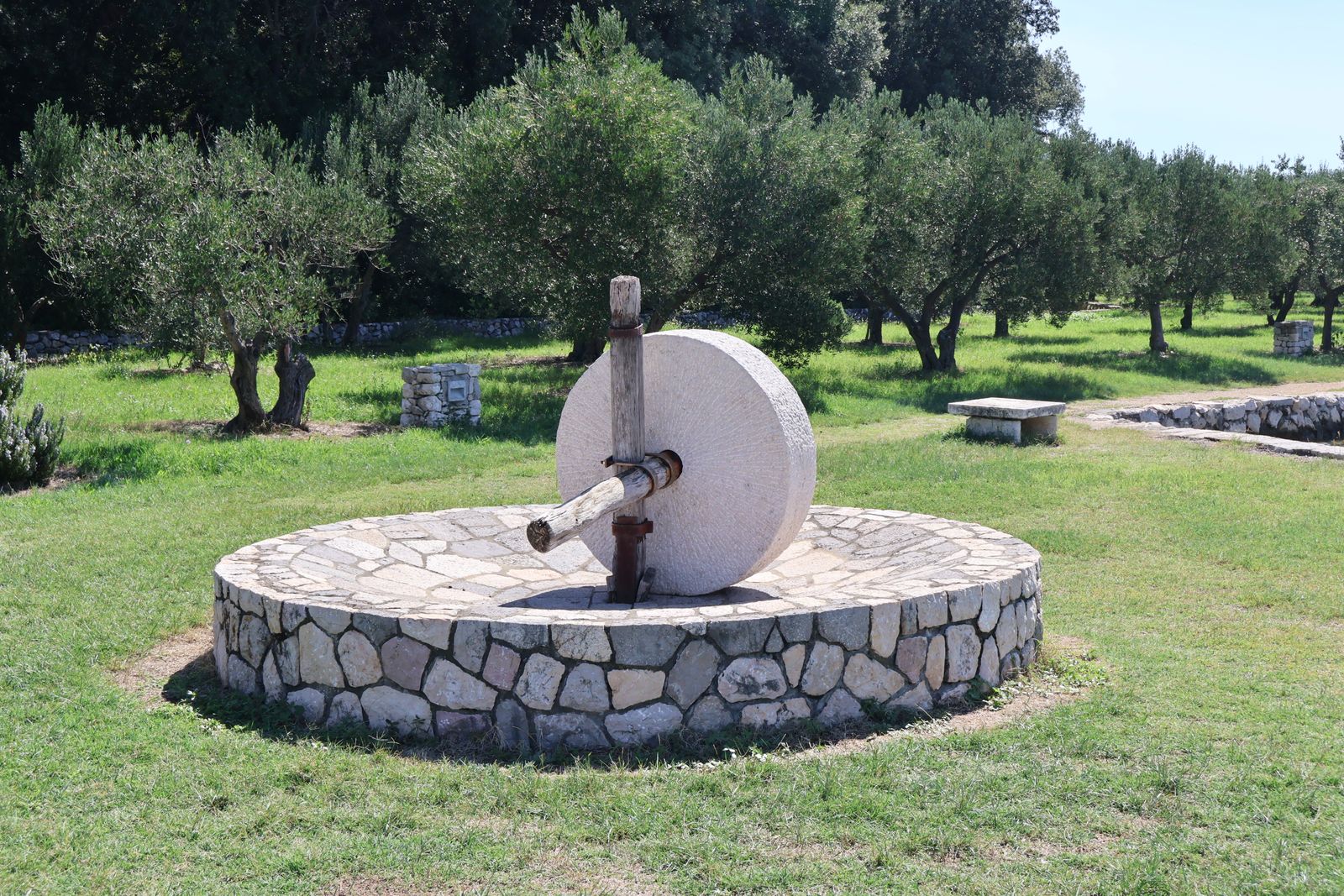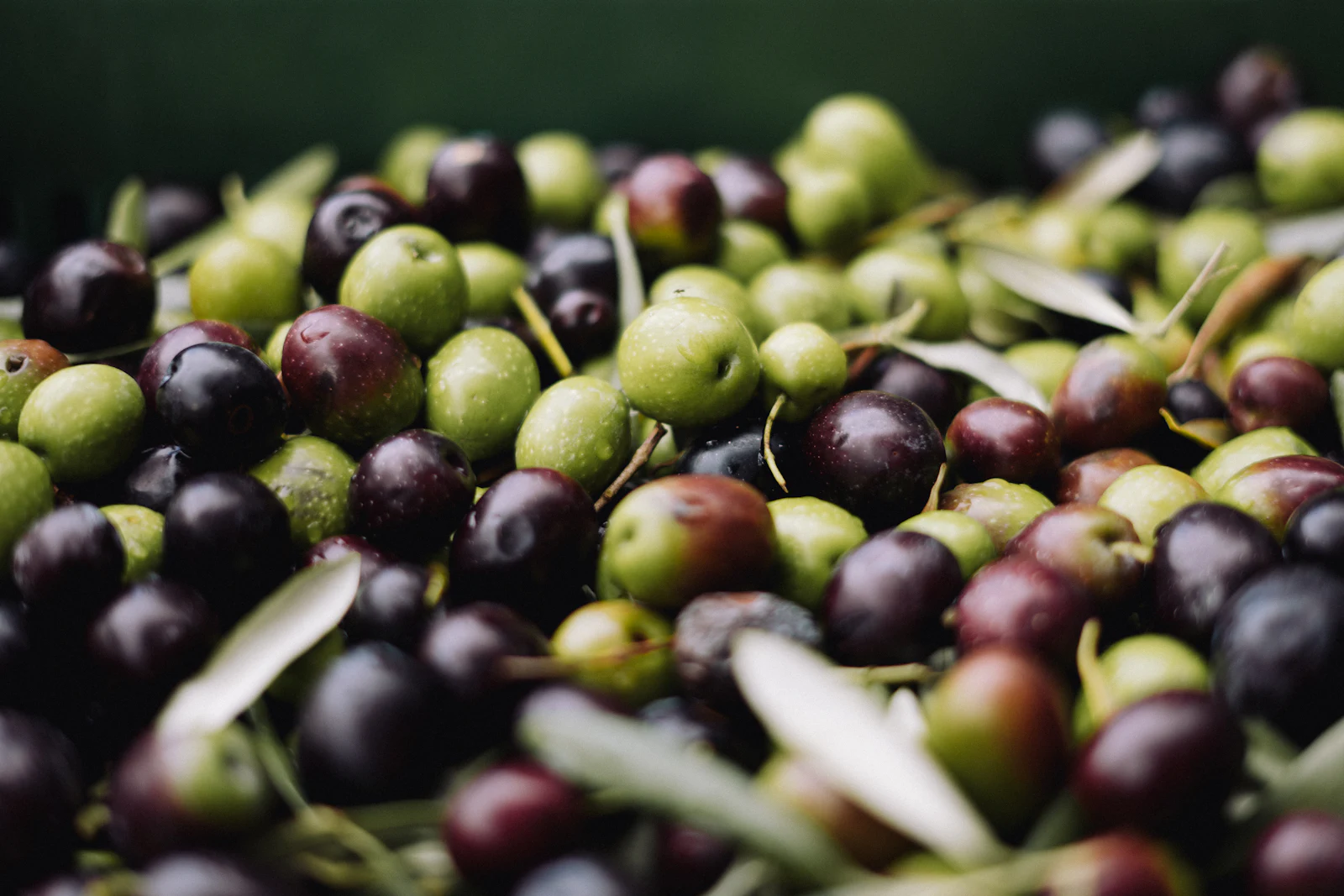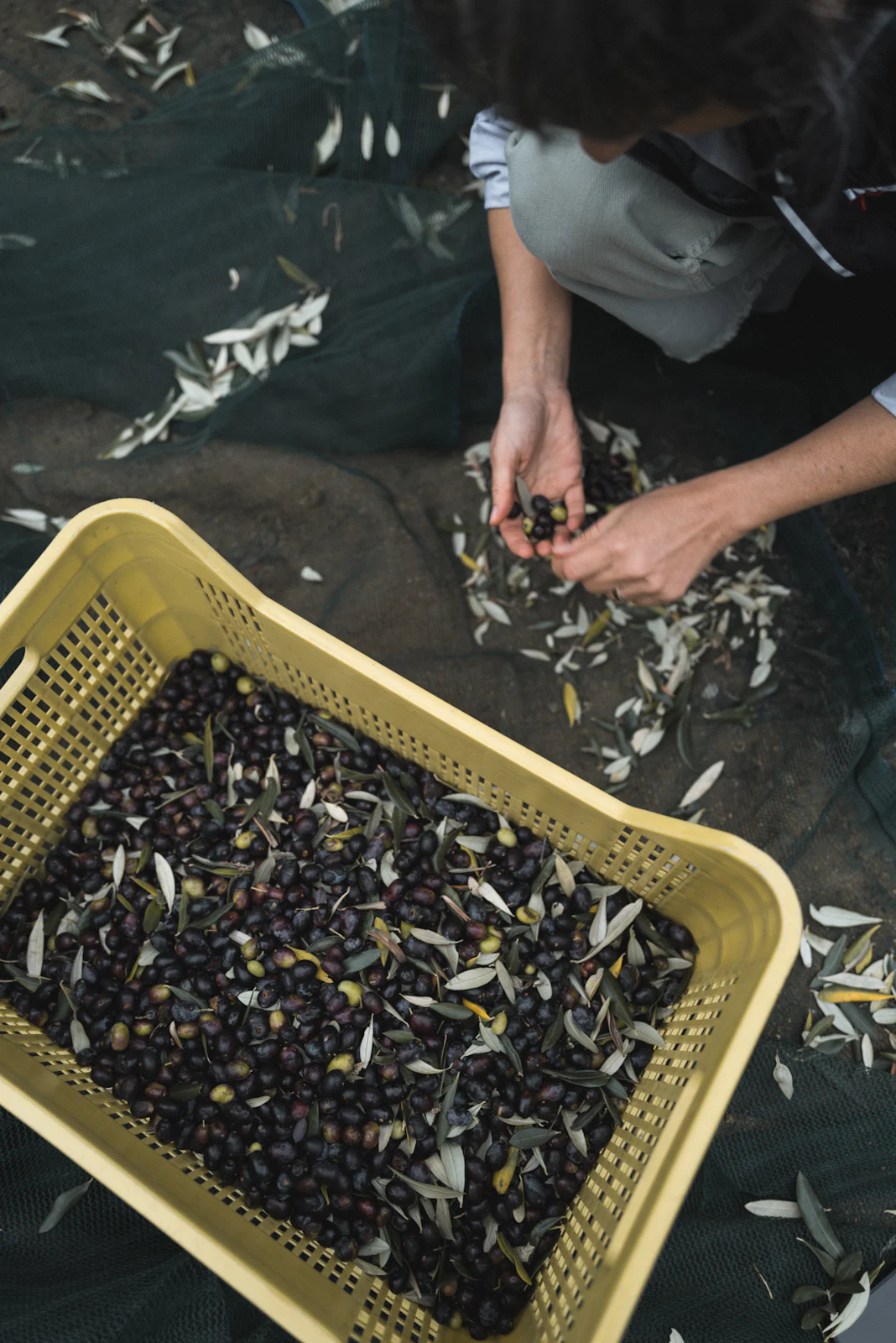
The province of Valladolid means wine: Ribera del Duero, Rueda, Cigales. Yet over the past two decades a crop nobody would expect has appeared on the plateau between vineyards and cereal fields: the olive tree. Alongside the Tiétar Valley and the Arribes del Duero, the new olive groves around Valladolid form the third olive zone of Castile and León – and the youngest.
From experiment to new crop
According to Diario de Valladolid, the province's olive area rose from 305 to 1,030 hectares within ten years (as of 2019). Other surveys give around 840 hectares for 2019; the figures vary between statistics. What is clear is that olive growing has expanded quickly, and according to the 2024 ESYRCE survey Valladolid has the second-highest share of olive area in the region after Ávila.
Unlike southern Ávila or the Arribes, there are hardly any old olive groves here. The plantations are new, managed with modern methods and often irrigated. Castile and León as a whole has just over 2,000 hectares of irrigated olive groves.
Oliduero: a wine group's olive oil brand
One pioneer is the Matarromera group, known for its Ribera del Duero wines. From 2007 it trialled more than 30 Spanish and international olive varieties in a “Jardín del Olivo” (olive garden) to see how they coped with the plateau's climate. In 2014 it opened its mill in Medina del Campo, the first organic olive mill in the province of Valladolid.
- Area: around 140 to 150 hectares of olive groves in the provinces of Valladolid and Zamora, mostly super-intensive, part of it organic.
- Varieties: mainly Arbequina, Picual and Arbosana, plus Frantoio and Arróniz.
- Capacity: around 450,000 kilos of olives, equivalent to some 74,000 litres of oil a year.
- Oils: including Oliduero Prestigio, Oliduero Ecológico and Oliduero Cosecha Temprana (early harvest).
- Recognition: listed in the Flos Olei olive oil guide and medals at competitions.
According to the company, the mill uses olive pits as biomass for energy. The olives are picked green, which Oliduero says maximises the polyphenol content. Why that is so is explained in our article on polyphenols and antioxidants.
Pago de Valdecuevas and Los Vivales
Pago de Valdecuevas planted olive trees in 2008 in Medina de Rioseco, in the north of the province, and in 2013 built the first olive mill in the province of Valladolid. Its groves lie at around 850 metres above sea level. According to Diario de Valladolid, it produced 144,000 litres of oil in one season, a quarter of it for export.
Almazara Los Vivales is located in Sanzoles in the province of Zamora and belongs to the Grupo Olivarero del Duero. According to the company it farms more than 100 hectares of super-intensive olive groves and welcomes visitors for tours and tastings.
Super-intensive or traditional?
The new olive groves on the Duero differ fundamentally from the old groves in the south of the region:
| Traditional grove | Super-intensive plantation | |
|---|---|---|
| Spacing | about 10 × 10 metres | closely planted hedgerows |
| Trees per hectare | around 100 | around 1,250 (Oliduero example) |
| Harvest | mostly by hand or with shakers | by straddle harvesters, much like in viticulture |
| Typical varieties | local varieties such as Manzanilla, Carrasqueña, Zorzal | Arbequina, Arbosana, Picual |
| Examples in the region | Tiétar Valley, Arribes del Duero | Oliduero, Los Vivales |
Super-intensive plantations allow a quick harvest at the optimum moment. That matters on the plateau, where every day before the first frost counts. Traditional groves with local varieties, on the other hand, stand for diversity and regional character.
Frost and early harvest
The plateau around Valladolid has long, cold winters, so producers harvest early, usually in November. That comes at a price: at Oliduero the olives give 16 to 17 per cent oil in normal years, but only around 14 per cent in cold years with an early harvest. In return the oils are green, fruity and rich in bitter compounds.
Another northern growing area producing top oils from Arbequina and Arbosana is showcased in our portrait of Artajo in Navarre.
Frequently asked questions
Do olives really grow in the province of Valladolid?
Yes. Since 2008 modern olive plantations have been planted, mainly around Medina del Campo and Medina de Rioseco. According to Diario de Valladolid the province had around 1,030 hectares of olive groves in 2019; other statistics give slightly less.
What is super-intensive olive growing?
The trees are planted in dense hedgerows – around 1,250 per hectare at Oliduero, compared with about 100 in a traditional grove. This lets straddle harvesters pick the olives quickly and at the desired moment.
Can you visit Oliduero?
Yes. Visits to the mill in Medina del Campo can be booked through the Matarromera family's wine tourism service. Los Vivales in Sanzoles (Zamora) also offers tours with tastings.
Why is the oil yield lower in cold years?
To avoid frost damage, the olives are harvested earlier. Unripe olives contain less oil: at Oliduero the yield then drops from 16 to 17 per cent to around 14 per cent.
Sources
- Diario de Valladolid: El renacer del sector olivarero (15 Mar 2019)
- Revista Almaceite: Oliduero, aceites de oliva virgen extra de Castilla y León (31 Mar 2017)
- Oliduero: the first organic olive mill in Valladolid
- Almazara Los Vivales – Grupo Olivarero del Duero
- Diario de Valladolid: Castilla y León consolida 7.441 hectáreas de olivo y un aceite con identidad (17 Nov 2025)
- Diario de Castilla y León: Gredos sur, locomotora autonómica del aceite de oliva (7 Dec 2020)