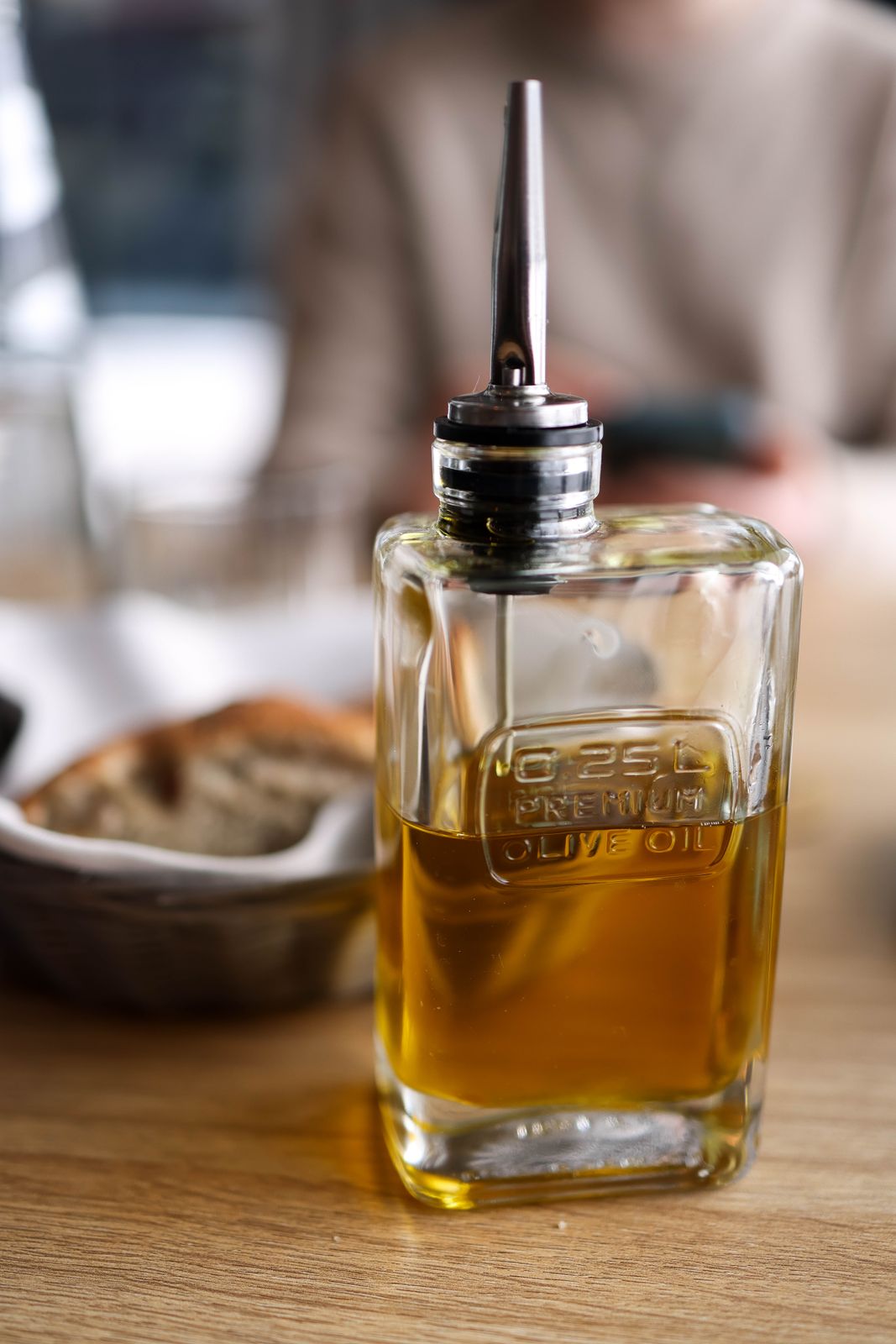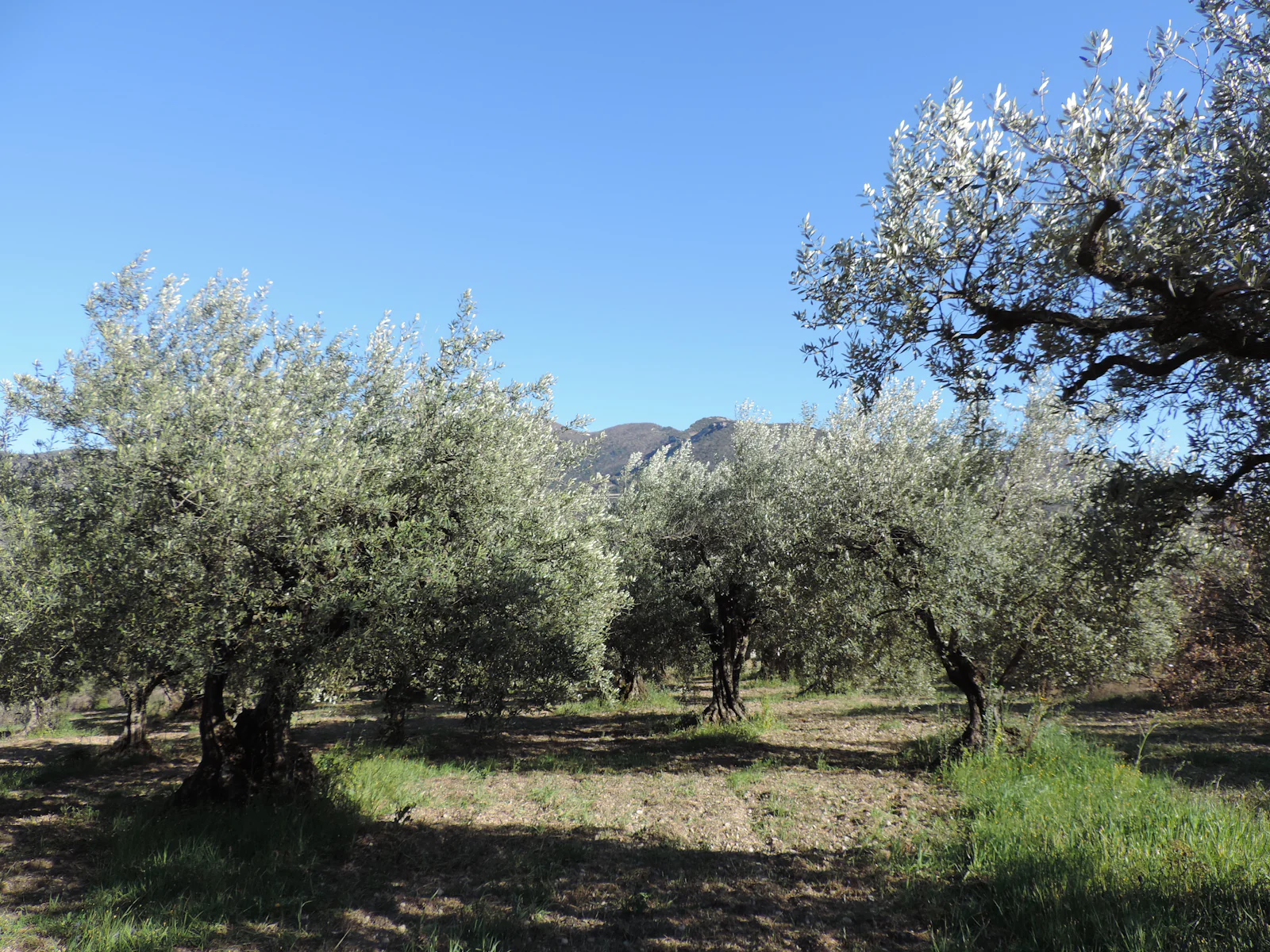
Mention Spanish olive oil and most people think of Andalusia: Jaén and endless olive groves under a hot sun. Castile and León, Spain's largest region by area, is better known for red wine from the Ribera del Duero, roast lamb and long, cold winters on the high plateau. Yet olives grow here too: in sheltered valleys and river gorges and, for some years now, in modern plantations.
This article explains where olive oil is made in Castile and León, why the climate shapes the style of the oils and how to recognise them. Further articles in this series look at the individual growing areas in more detail.
How much olive growing is there in Castile and León?
According to the latest ESYRCE survey by the Spanish Ministry of Agriculture, Castile and León had 7,441 hectares of olive groves in 2024, up from 6,417 hectares in 2015. 99.1 per cent of them grow olives for oil; table olives play virtually no role. Around 5,400 hectares are rain-fed and just over 2,000 hectares are irrigated.
For comparison, Spain as a whole has around 2.7 million hectares of olive groves. In a 2020 analysis Castile and León accounted for about 0.3 per cent of that area, ranking eleventh among Spain's regions.
| Province | Olive area (2019 campaign) | Main area |
|---|---|---|
| Ávila | 3,843 ha | Tiétar Valley |
| Salamanca | 2,453 ha | Arribes del Duero, among others |
| Valladolid | 840 ha | new plantations, e.g. near Medina del Campo |
| Zamora | 394 ha | Arribes del Duero, new plantations |
The provincial figures come from a different survey than the ESYRCE total and therefore differ slightly. ESYRCE 2024 records no olive groves in the provinces of León, Palencia, Burgos and Segovia.
Three growing areas, three characters
Tiétar Valley (Ávila)
In the south of the province of Ávila, sheltered by the Sierra de Gredos, lies the region's most important olive area. According to 2021 figures, growers in the Tiétar Valley accounted for around 70 per cent of Castile and León's olive harvest. The valley enjoys more than 3,000 hours of sunshine a year. Traditional varieties such as Manzanilla and Carrasqueña dominate.
Arribes del Duero (Salamanca and Zamora)
Where the Duero forms the border with Portugal, the river has cut deep into the plateau. These gorges, the “arribes”, have a mild, almost Mediterranean microclimate that protects the olive trees from frost. This is home to the native Zorzal de Arribes variety. Since 2010 the Aceiteros del Águeda cooperative has run the first organic olive mill in Castile and León in Ahigal de los Aceiteros.
New olive groves around Valladolid
The third zone is the youngest. Modern olive plantations have been planted on the plateau around Medina del Campo and Medina de Rioseco since 2008. One pioneer is the Matarromera wine group, which built the first organic olive mill in the province of Valladolid in Medina del Campo in 2014 (brand: Oliduero). Internationally common varieties such as Arbequina, Picual and Arbosana, planted in dense “super-intensive” hedgerows, dominate here.
Why the climate shapes the taste
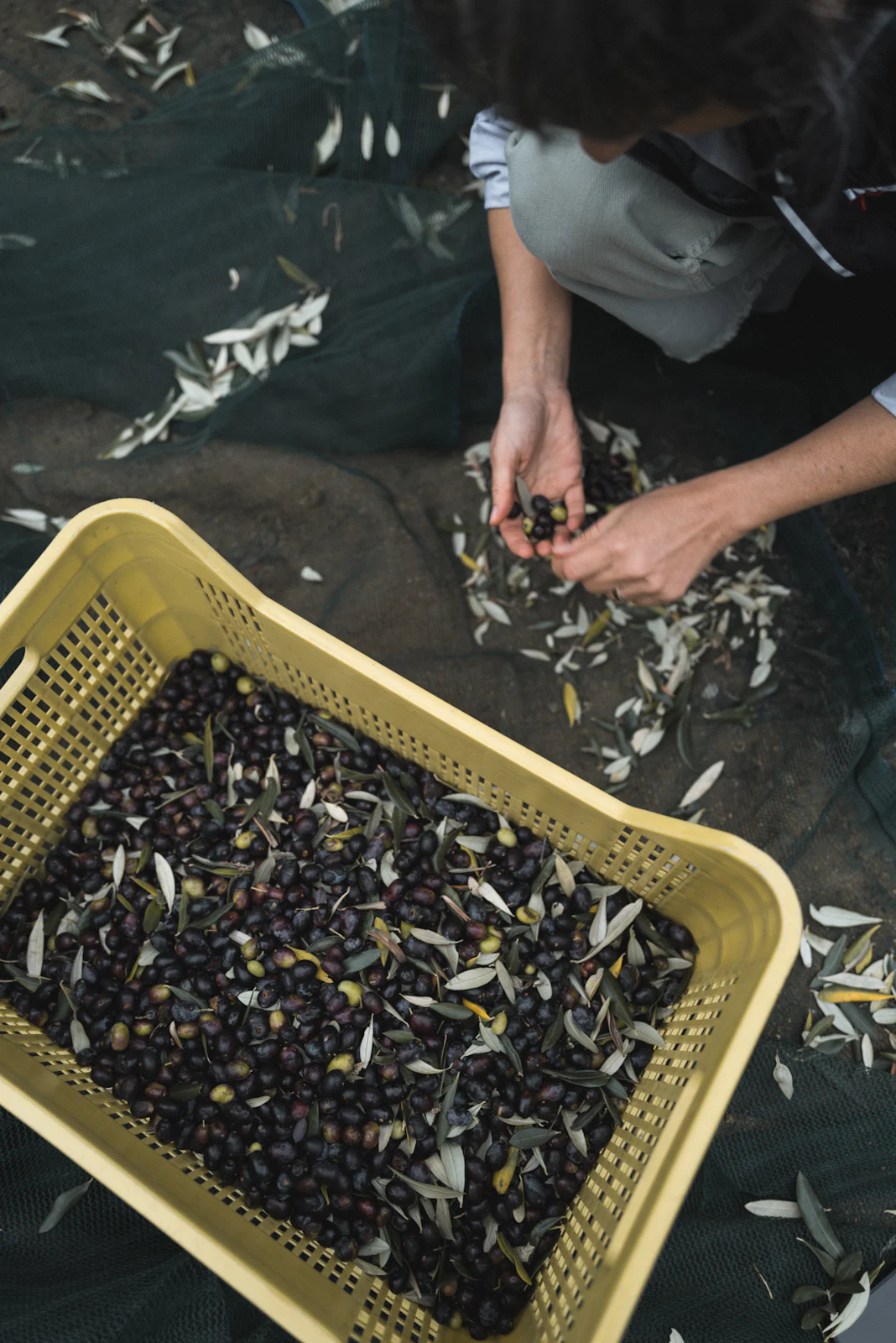
Much of Castile and León lies on the Castilian plateau, the Meseta, with long, cold winters; the olive groves of Pago de Valdecuevas in the province of Valladolid, for example, sit at around 850 metres. Frost is the biggest risk: if olives freeze on the tree, off-flavours develop and the oil loses its quality grade. Producers therefore harvest early, usually in November, before the autumn frosts set in.
The early harvest has two consequences. First, yields fall: at Oliduero the olives give 16 to 17 per cent oil in normal years, but only around 14 per cent in cold years with an early harvest. Second, the oils are greener and fruitier, with more bitterness and pungency. These notes come from polyphenols, which are more abundant in unripe olives. Read more in our article on polyphenols and antioxidants in olive oil.
Traditional and new olive varieties
- Manzanilla Cacereña: widespread in the region, for example in the Arribes del Duero; aromatic and balanced.
- Zorzal de Arribes: a native, frost-resistant variety from Ahigal de los Aceiteros and San Felices de los Gallegos, with green notes of tomato leaf, grass and banana.
- Manzanilla, Carrasqueña, Cornatilla and other local varieties: the basis of the PDO application in the Tiétar Valley.
- Arbequina, Picual, Arbosana: internationally common varieties in the new plantations around Valladolid and Zamora.
Quality labels: Tierra de Sabor and soon a PDO
Until the Tiétar Valley application, Castile and León had no protected designation of origin for olive oil. On 28 May 2026 the EU published the application for the “Aceite Valle del Tiétar” PDO in its Official Journal. After a three-month opposition period, the European Commission decides on registration. It would be the region's first PDO for olive oil.
Some oils already carry “Tierra de Sabor”, the regional government's quality label, including oils from Ahigal de los Aceiteros and the Tiétar Valley. For the quality grade itself, see our article What is extra virgin olive oil?
Olive oil from Castile and León in Switzerland
Volumes are small: the six mills behind the Tiétar Valley PDO press around 462 tonnes of oil a year on average. Some producers export, such as AQ5 from the Arribes del Duero, which ships to Germany, Belgium, Sweden and the UK. If you want to try an oil from the region, ask the producer about shipping to Switzerland or bring it back from a trip to Spain: edible oils up to a total of 5 litres per person per day are duty-free.
How Spanish oils compare internationally is covered in Why Spanish olive oil ranks among the world's best. Another example of top oil from northern Spain is Artajo from Navarre.
Frequently asked questions
Is olive oil really produced in Castile and León?
Yes. In 2024 the region had 7,441 hectares of olive groves according to ESYRCE, almost all of them for oil. Around twenty mills process the harvest, which is usually brought in during November.
Where are the olive groves in Castile and León?
Mainly in three zones: the Tiétar Valley in southern Ávila, the Arribes del Duero on the Portuguese border (provinces of Salamanca and Zamora) and new plantations around Valladolid. The statistics record no olive groves in León, Palencia, Burgos or Segovia.
What does olive oil from Castile and León taste like?
Because the olives are picked early, before the autumn frosts, many oils are green and fruity, with notes of fresh grass, leaf, green apple or almond and noticeable bitterness and pungency. The intensity depends on the variety and the timing of the harvest.
Is there a PDO for olive oil from Castile and León?
An application has been filed for the “Aceite Valle del Tiétar” PDO, covering 24 municipalities in southern Ávila. It was published in the EU Official Journal on 28 May 2026; after the three-month opposition period, the European Commission decides.
Sources
- Diario de Valladolid: Castilla y León consolida 7.441 hectáreas de olivo y un aceite con identidad (17 Nov 2025)
- Diario de Castilla y León: Gredos sur, locomotora autonómica del aceite de oliva (7 Dec 2020)
- Diario de Castilla y León: El Valle del Tiétar avanza en su DO con el estudio de variedades (15 Feb 2021)
- Oleorevista: El Aceite Valle del Tiétar entra en la fase final hacia su protección europea (31 May 2026)
- Ávilared: El aceite del Tiétar va camino de obtener la denominación de origen protegida (23 Oct 2024)
- La Comunal: Variedades autóctonas de olivo de Castilla y León (12 Aug 2022)
- Arribera: Aceiteros del Águeda
- Oliduero: the first organic olive mill in Valladolid
- La Gaceta de Salamanca: El alma de Arribes del Duero, convertida en oro verde (29 Apr 2026)
- Swiss Federal Office for Customs and Border Security (FOCBS): duty-free allowances for food, alcohol and tobacco