In the flat Ebro river basin at Fontellas, in the Tudela area of Navarre, sits one of Spain's most interesting olive oil producers: Aceite Artajo. This family-run business is a striking reminder that world-class olive oil doesn't have to come only from Andalusia's large growing regions.
A history with deep roots
The Artajo name has been tied to oil in Tudela since 1780. Through the 1800s the family made its oil in the centre of Tudela, around a historic trujal, a traditional oil mill. The break came in the 1960s: a severe frost killed most of the family's trees and most of the trees in the area, while cheap vegetable oils pushed olive oil out of everyday kitchens. Production shrank to a minimum.
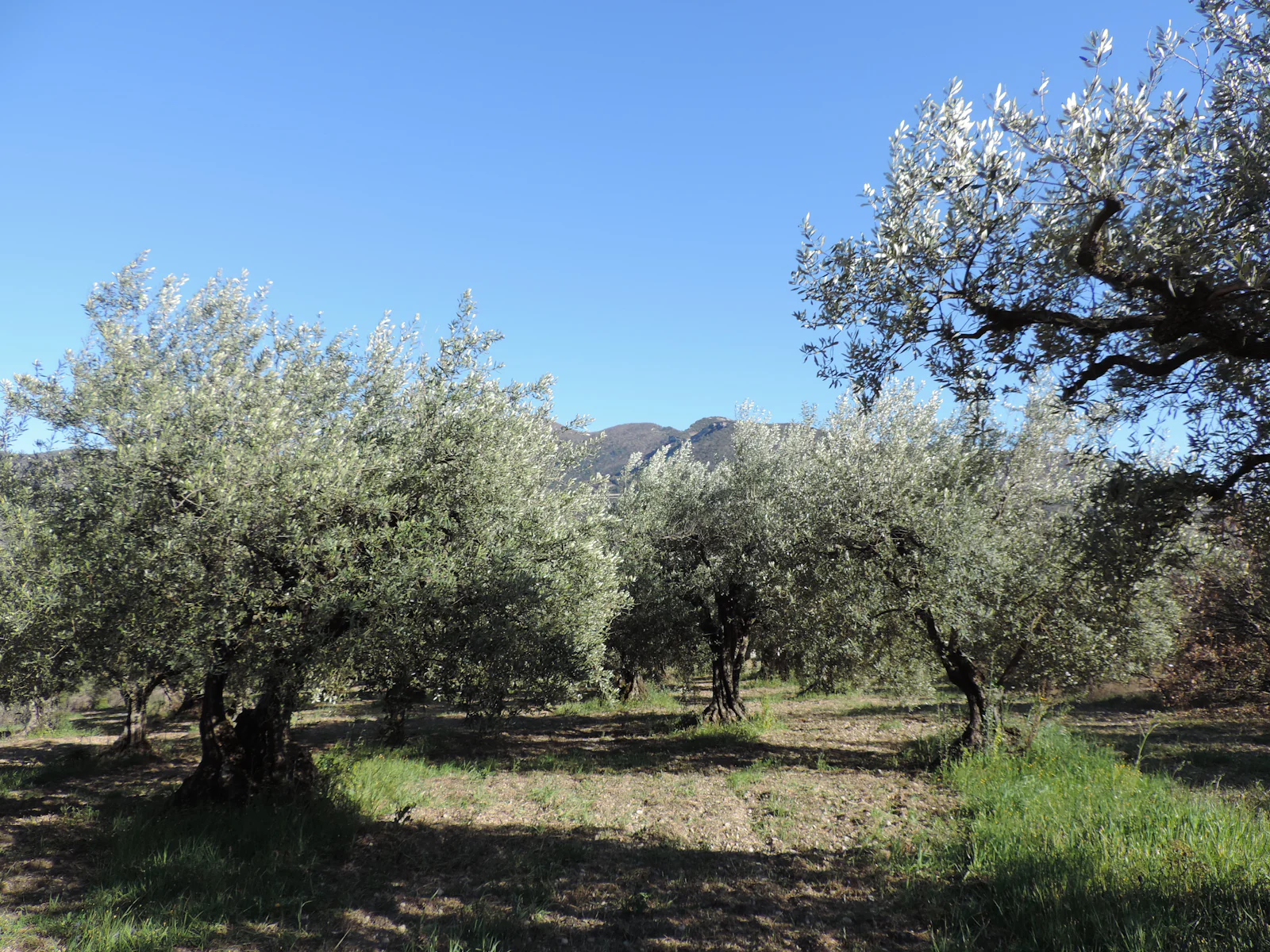
In 1998 the Artajo and Urzaiz families picked up the thread again and planted the first 85,000 Arbequina trees at Fontellas, on the Finca Los Llanos estate. Today the producer and the trade press put the estate at more than 250,000 olive trees across roughly 250 hectares — with the mill standing in the middle of the grove, so the fruit never leaves the property between tree and tank.
Growing olives at the northern edge of the olive world
Navarre sits at the northernmost edge of European olive oil production. The protected designation of origin "Aceite de Navarra" is described as the northernmost olive oil in Europe; its delimited area covers 135 municipalities in southern Navarre, Fontellas among them. A northern location means cooler nights and slower ripening — a factor that can favour particularly aromatic, well-balanced oils.
Artajo farms the grove organically and grows an unusually broad range of varieties for an estate this size: Arbequina as the backbone, plus Arbosana, Koroneiki, the Navarrese Arróniz and Manzanilla Cacereña.
What is actually in the bottle: Artajo 10 and Artajo 8
For a buying decision the range matters more than the brand. Artajo bottles two lines, and what separates them is the moment of harvest, not the packaging:
- Artajo 10 comes from the green early harvest. According to the producer it takes around 10 kilos of olives to make one litre. The line is built as a variety showcase and covers six options: Arbequina, Arbosana, Manzanilla Cacereña, Arróniz, Koroneiki and a blend. The style is fresh, grassy and intensely green-fruity.
- Artajo 8 is made from olives at envero, halfway to ripeness, milled in the first week of November; here around 8 kilos of olives yield a litre. Four options: Arbequina, Manzanilla, Koroneiki and a blend. The style is fruity, lightly green and milder.
Behind this sits the basic arithmetic of every early harvest: the greener the olive, the less oil it gives per kilo — and the more aroma, bitterness and pepper end up in the glass. Ten kilos per litre is not a quality seal, then. It is the bill an early harvest presents.
On processing, the producer and the specialist retailers who list the oils describe extraction at 18 to 20 °C with a double-hammer mill, a malaxer and refrigerated centrifuges. Technically that is centrifugation, not pressing: the legally correct term for an oil made this way is therefore "cold extraction", not "first cold pressing" — a distinction that Swiss shelf labels get wrong all the time. Part of the range is also bottled unfiltered, and therefore cloudy.
Why the best bottles carry no PDO seal
Fontellas lies inside the area of the "Aceite de Navarra" PDO — and yet the estate's internationally awarded oils do not carry the seal, for a reason that makes sense once you read the rules. The PDO specification admits only three varieties: Arróniz as the native variety, Empeltre and Arbequina, and blends must contain more than 10 per cent Arróniz. Koroneiki and Arbosana — two of the four Artajo oils that made the world's top ten — are not provided for at all. The PDO also requires hand harvesting and sets hard limits: acidity no higher than 0.3 degrees, a peroxide value of at most 15, fruitiness above 4.5 and no sensory defects.
In practice that means the variety name and the harvest year tell you more about an oil like this than an origin seal would. Here the seal is not ruling out poor quality; it is ruling out certain varieties. Which varieties other small designations prescribe is shown in Spain's small olive oil PDOs.
International recognition
The effort has paid off. The World's Best Olive Oils (WBOO) ranking is calculated from the results of the eight most demanding international competitions and is treated in the trade as one of the leading quality benchmarks. In the 2022/2023 edition Artajo placed second among organic mills worldwide, making it the best organic mill in Spain. One edition later, in the 2023/2024 ranking, the estate was on top: best organic mill in the world, plus second place in the general category.
Four of its organic oils — Artajo 8 Bio Arbequina, Artajo 10 Bio Koroneiki, Artajo 10 Bio Arbequina and Artajo 10 Bio Arbosana — also ranked among the world's ten best olive oils in that same edition. A remarkable achievement for a family business with around twenty employees, in an industry traditionally dominated by southern Spain and Italy.
Can you buy Artajo in Switzerland?
Not in Swiss retail. We did not find the brand at Migros, Coop, Aldi Suisse, Lidl, Denner or Manor in September 2026. Anyone who wants to try it orders from the producer directly or from Spanish and German specialist shippers, which carry single bottles, cans and variety sets; one of them advertises free shipping to Switzerland from 200 euros. Import means customs duty and VAT on top — we worked through how that runs, and from what quantity it pays off, using direct orders from Castile and León as the example.
A direct price comparison is therefore impossible. As a reference point for what organic olive oil costs on the Swiss shelf, here are the per-litre prices from our own survey: Migros Bio from Greece at CHF 22.80 per litre, Manor Bio from Italy at CHF 21.50 per litre, Aldi BIO as an EU blend at CHF 13.27 per litre. We recorded the Migros and Aldi prices on 16 September 2026 and the Manor price on 2 September 2025; all current figures are in the price overview.
Olive oil tourism in Navarre
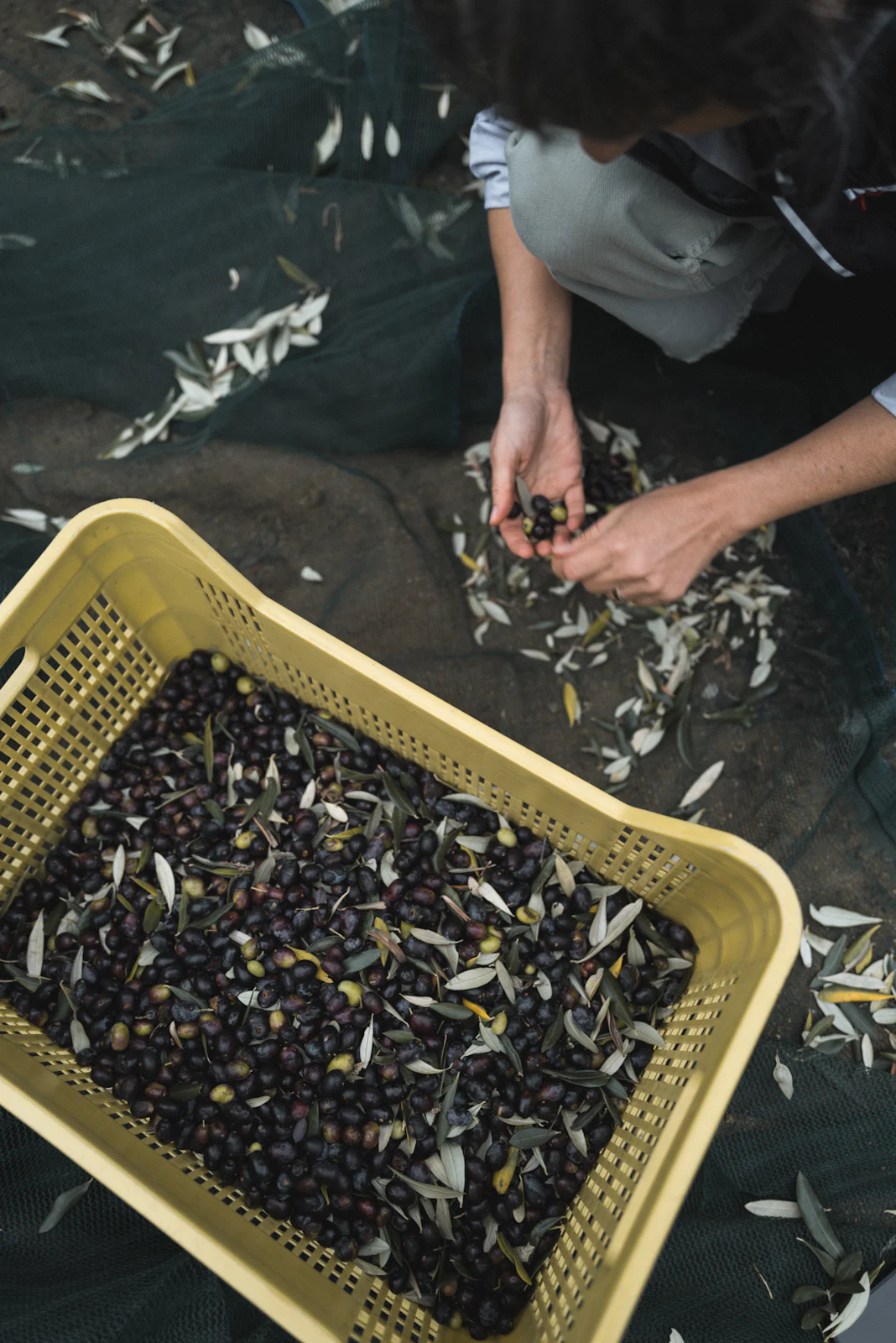
Visitors can explore the estate on a guided tour with tasting: at Finca Los Llanos, guests learn about cultivation, harvesting and milling and can compare the different single-variety oils on site — an example of Spain's growing "oleoturismo" scene, and the easiest chance to taste six monovarietals from the same grove side by side.
Why Artajo is a useful example
- Shows that smaller, more northerly growing regions like Navarre can also produce world-class oils
- A family business handling its own harvest, processing and bottling on one site
- Organic cultivation recognised with the top international award for best organic mill in the world (WBOO 2023/2024)
- A range that puts the early harvest on the label instead of wrapping it in marketing: 10 kilos of olives per litre is a checkable figure, "first cold pressing" would not be
- A lesson in how a missing PDO seal need not say anything about quality
Artajo exemplifies a trend that reaches far beyond Navarre: small, quality-focused Spanish producers handling their own harvest and processing are increasingly winning international recognition — proof that Spanish olive oil no longer stands only for volume, but for top-tier quality as well.
A second example of that shift sits in Catalonia: the PONS family firm from L'Albagés in Les Garrigues, whose early-harvest Janiroc oils took second, third and fourth place among large producers at the Government of Catalonia's national awards in December 2025.
A small family business at the northern edge of the olive-growing world, holding its own against the industry's giants.
Frequently asked questions
Which olive varieties does Artajo grow?
Organically farmed varieties include Arbequina, Arbosana, Koroneiki, the Navarrese Arróniz and Manzanilla Cacereña. The internationally awarded oils are single-variety bottlings of Arbequina, Koroneiki and Arbosana.
What is the difference between Artajo 10 and Artajo 8?
The harvest date. Artajo 10 comes from the green early harvest and, per the producer, needs around 10 kilos of olives per litre; Artajo 8 is milled from half-ripe olives in the first week of November and gets there with around 8 kilos per litre. Artajo 10 is therefore the more intense, greener style, Artajo 8 the milder one.
Does Artajo carry the "Aceite de Navarra" PDO seal?
Fontellas lies inside the PDO area, but the award-winning oils do not carry the seal. The PDO admits only Arróniz, Empeltre and Arbequina — Koroneiki and Arbosana, two of the awarded single-variety oils, are not provided for.
Where can you buy Artajo in Switzerland?
At no Swiss retail chain, as far as our September 2026 research goes. What is possible is ordering from the producer or from Spanish and German specialist shippers; customs duty and VAT apply on import.
Sources
- Olive Oil Times: Navarra's Aceite Artajo Marries Cutting-Edge Tech with Centuries of Olive Oil Heritage
- Navarra Capital: La empresa navarra Aceite Artajo, reconocida como la Mejor Almazara Ecológica del Mundo
- Invest in Navarra: Aceites Artajo, second best organic olive oil mill in the world (2022/2023 ranking)
- World's Best Olive Oils 2023/2024 – ranking
- Aceite Artajo: catalogue of the Artajo 8 and Artajo 10 single-variety oils (producer's own figures)
- INTIA: Pliego de condiciones of the "Aceite de Navarra" PDO (consolidated version)
- Reyno Gourmet (Government of Navarre): Aceite de Navarra – varieties, area and limits
- Guía Repsol: Aceite virgen extra navarro "Artajo" (Fontellas)