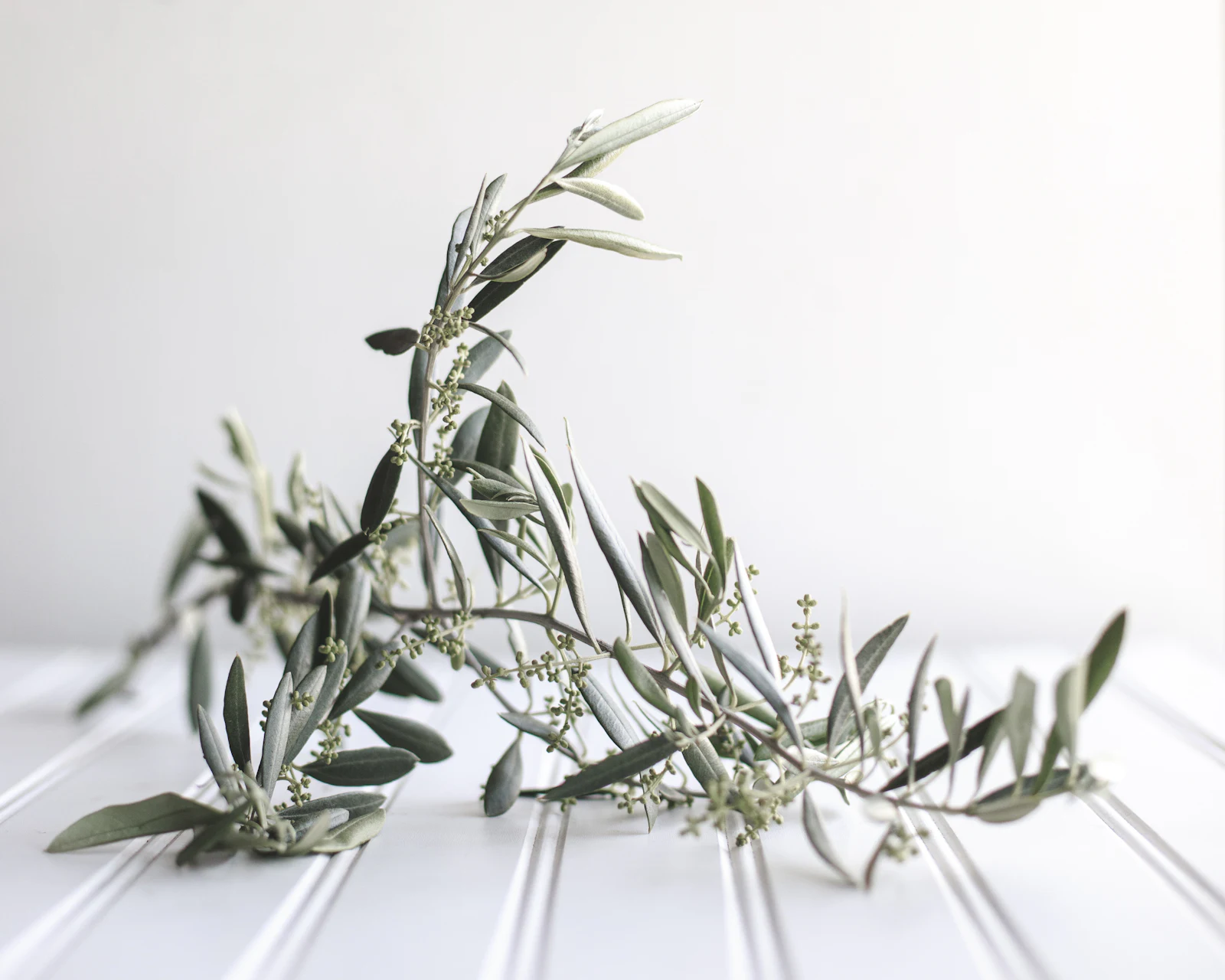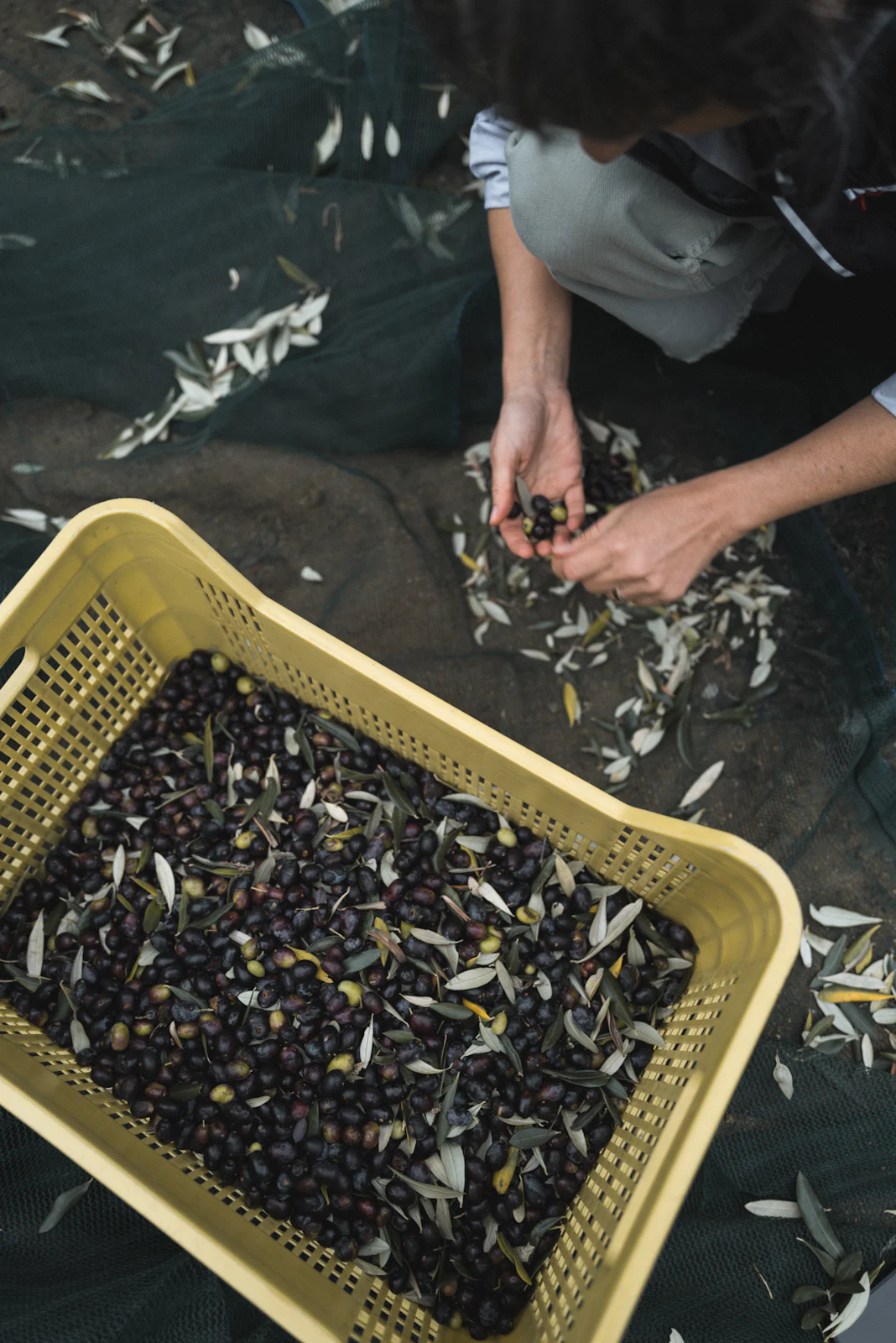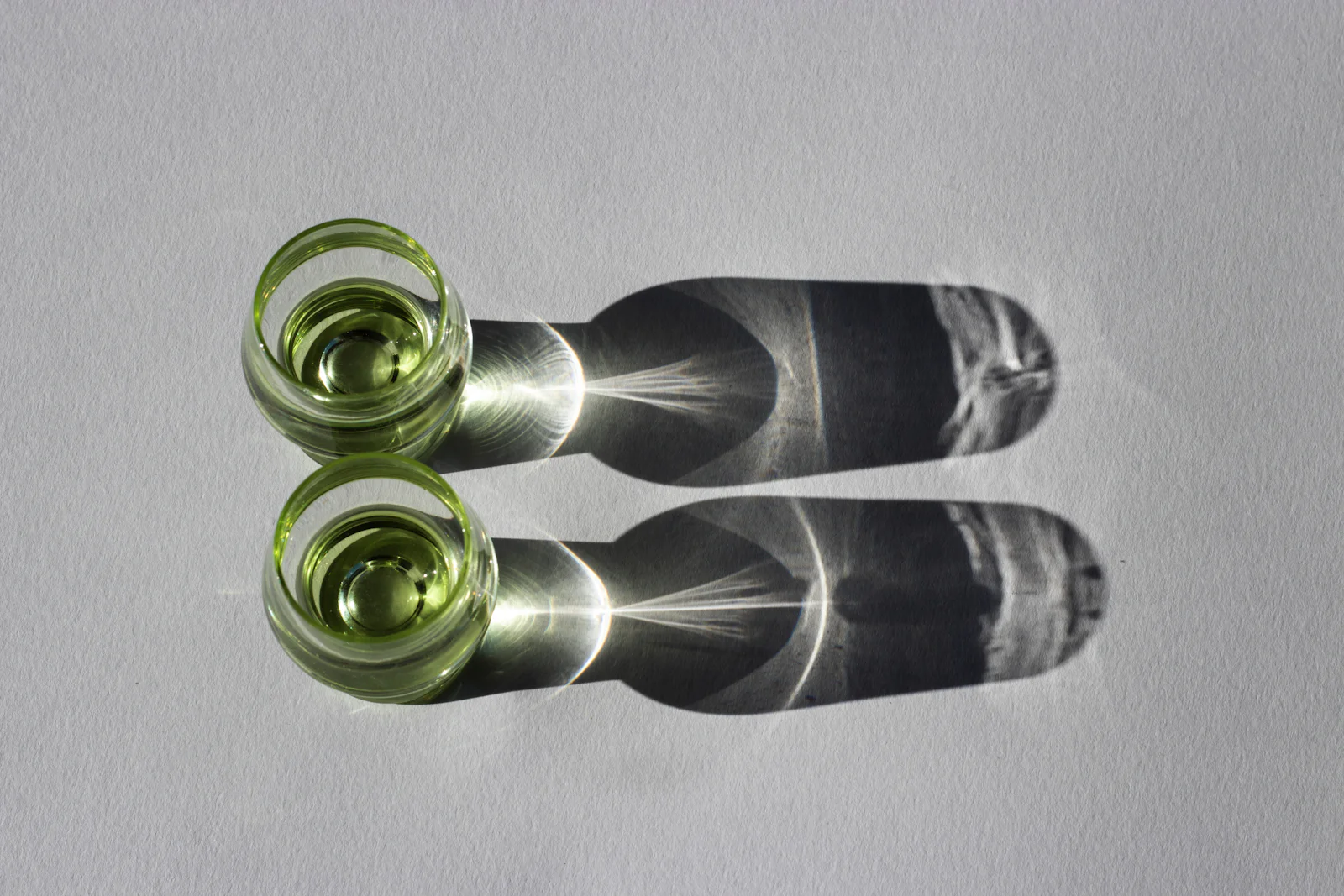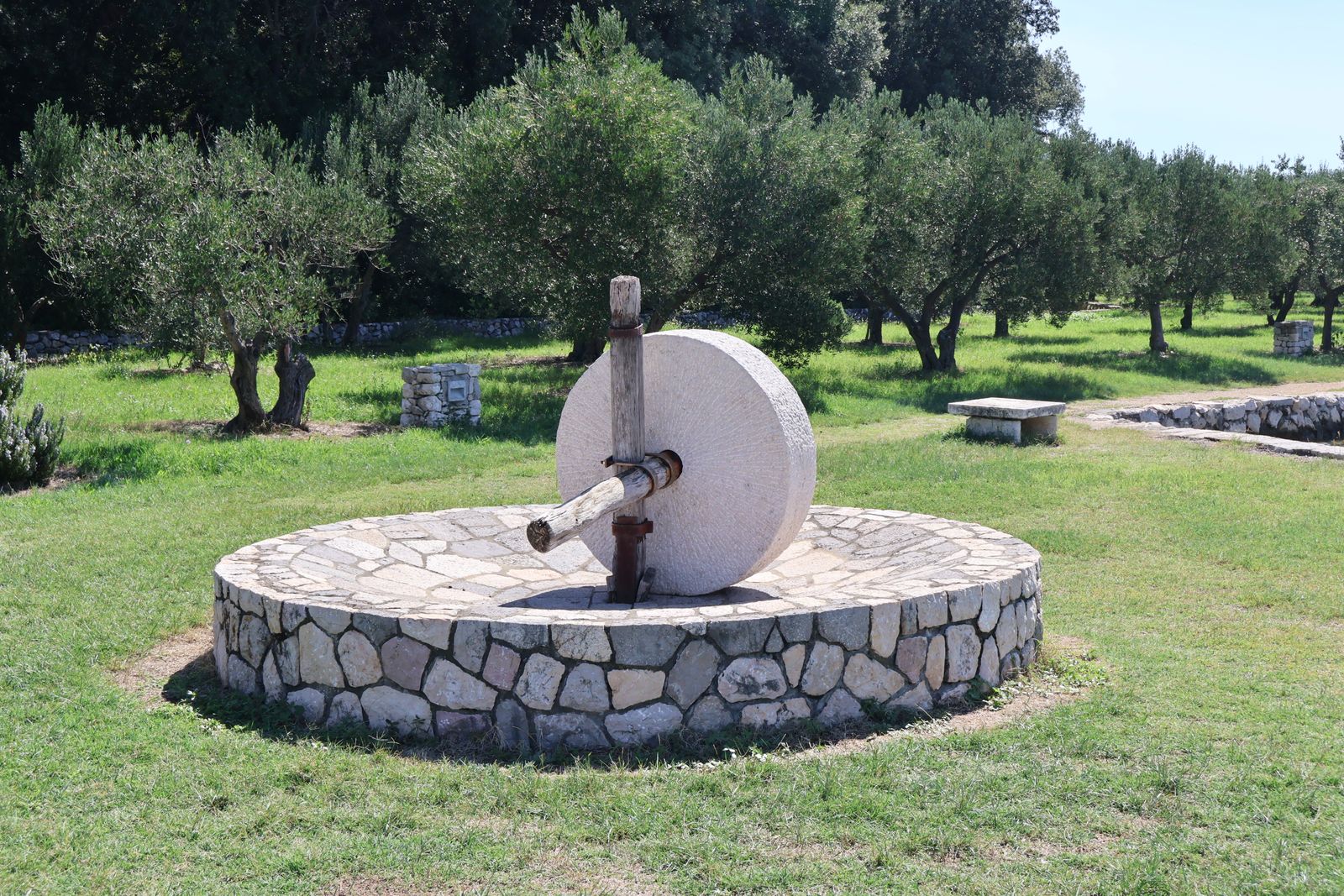
In the west of Castile and León, the Duero forms the border with Portugal. Over time, the river and its tributaries have cut deep into the plateau. Locally these gorges are called “arribes”, and today they are protected as the Arribes del Duero Natural Park. While cold winters rule the plateau above, olive trees have long grown on the sheltered slopes.
A Mediterranean microclimate in north-western Spain
According to local producers, the olive groves of the Arribes lie sheltered from frost in a “Mediterranean microclimate”. That is crucial: in much of Castile and León frost would make olive growing too risky.
The Arribes are one of the region's three main olive zones, alongside the Tiétar Valley in Ávila and the new plantations around Valladolid. The Salamanca side lies in a province that had 2,453 hectares of olive groves in 2019.
Ahigal de los Aceiteros: the village of oil traders
The village name already tells of olive oil: “aceiteros” are oil traders. Many inhabitants once travelled through the villages of the province of Salamanca selling olive oil. Today Ahigal de los Aceiteros is the centre of a small olive oil revival.
In 2004 around fifty olive growers from Ahigal de los Aceiteros, San Felices de los Gallegos, Lumbrales, Hinojosa de Duero and Sobradillo founded the Aceiteros del Águeda cooperative, named after the Águeda border river. At first it provided services in the groves: pruning, crop protection, cultivation and harvesting. In 2010 it added its own mill, equipped with modern technology and the first organic olive mill in Castile and León. Since then the cooperative has also brought abandoned olive groves back into cultivation.
The oils are sold under the Arribera brand and cold-extracted at below 27 °C. The classic Arribera oil is a blend of 50 per cent Manzanilla Cacereña, 25 per cent Zorzal and 25 per cent other varieties such as Cornicabra, Picual and Verdial.
Zorzal de Arribes: a rare native variety
The best-known olive of the area is the Zorzal de Arribes. It is considered a native variety which, according to the cooperative, was catalogued as distinct through research by the University of Córdoba. Only around 20 per cent of the olive trees in the Arribes are Zorzal, found mainly in San Felices de los Gallegos and Ahigal de los Aceiteros.
- Tree: vigorous and hardy, with a marked adaptation to cold.
- Fruit: more elongated than usual, ripens later and is more frost-resistant than other local varieties.
- Oil content: above the average for the area.
- Flavour: fresh, green fruitiness with notes of tomato leaf, grass, banana and pistachio; a soft entry, slight bitterness and a stronger, lingering pungency.
Because the variety is rare and aromatic, it is often bottled as a single-variety oil. In blends, specialist sources say it contributes stability, aroma and intensity. Aceiteros del Águeda also sells a single-variety Zorzal oil under the Arribera brand.
Other producers: Manzanilla Cacereña from the natural park
Besides the cooperative, smaller brands also work in the Arribes. AQ5 Sabores, founded in 2015, focuses on the Manzanilla Cacereña variety. According to La Gaceta de Salamanca, the olives are picked at veraison, while still mostly green, and cold-extracted in a certified organic mill. The oil has a free acidity of around 0.1 per cent and notes of fresh grass, green apple, herbs and a hint of banana. It is listed in the Flos Olei 2026 olive oil guide and exported to Germany, Belgium, Sweden and the UK.
Why early-harvested green oils have more bitterness and pungency is explained in our article on polyphenols and antioxidants.
Visiting the mill
The Ahigal de los Aceiteros mill stands on the Camino de San Felices and can be visited by appointment. The tour explains each stage of oil production, followed by a tasting led by the master miller. According to the Castile and León tourism portal, the visit costs 5 euros including a 250 ml bottle of extra virgin olive oil; children under six go free. Prices may change, so it is worth checking in advance.
A visit combines well with the natural park. If you take oil home: edible oils up to 5 litres per person per day are duty-free when entering Switzerland.
Frequently asked questions
What are the Arribes del Duero?
The Arribes are deep gorges cut into the plateau by the Duero and its tributaries on the border between Spain and Portugal. The area lies in the provinces of Salamanca and Zamora and is protected as a natural park. The mild microclimate on the slopes makes olive growing possible.
What is special about the Zorzal olive variety?
Zorzal de Arribes is a native variety that makes up only around 20 per cent of the olive trees in the Arribes. It is cold-hardy, ripens late, has above-average oil content and gives aromatic oils with notes of tomato leaf, banana and pistachio.
Can you visit the mill in Ahigal de los Aceiteros?
Yes, by appointment. The tour of the production ends with a tasting. According to the tourism portal it costs 5 euros including a small bottle of oil.
Is olive oil from the Arribes always organic?
No. The mill in Ahigal de los Aceiteros is an organic mill, and other producers also farm organically. Whether a particular oil is certified is shown by the EU organic logo on the label.
Sources
- Arribera: Aceiteros del Águeda
- Arribera: el aceite virgen extra de Salamanca
- Arribera: Arribera Zorzal, aceite de oliva virgen extra
- Agronews Castilla y León: Aceiteros del Águeda elabora el primer aceite monovarietal de Zorzal de Arribes (3 Nov 2014)
- La Comunal: Variedades autóctonas de olivo de Castilla y León (12 Aug 2022)
- Turismo Castilla y León: Almazara de Ahigal de los Aceiteros
- La Gaceta de Salamanca: El alma de Arribes del Duero, convertida en oro verde (29 Apr 2026)
- Diario de Valladolid: Castilla y León consolida 7.441 hectáreas de olivo y un aceite con identidad (17 Nov 2025)