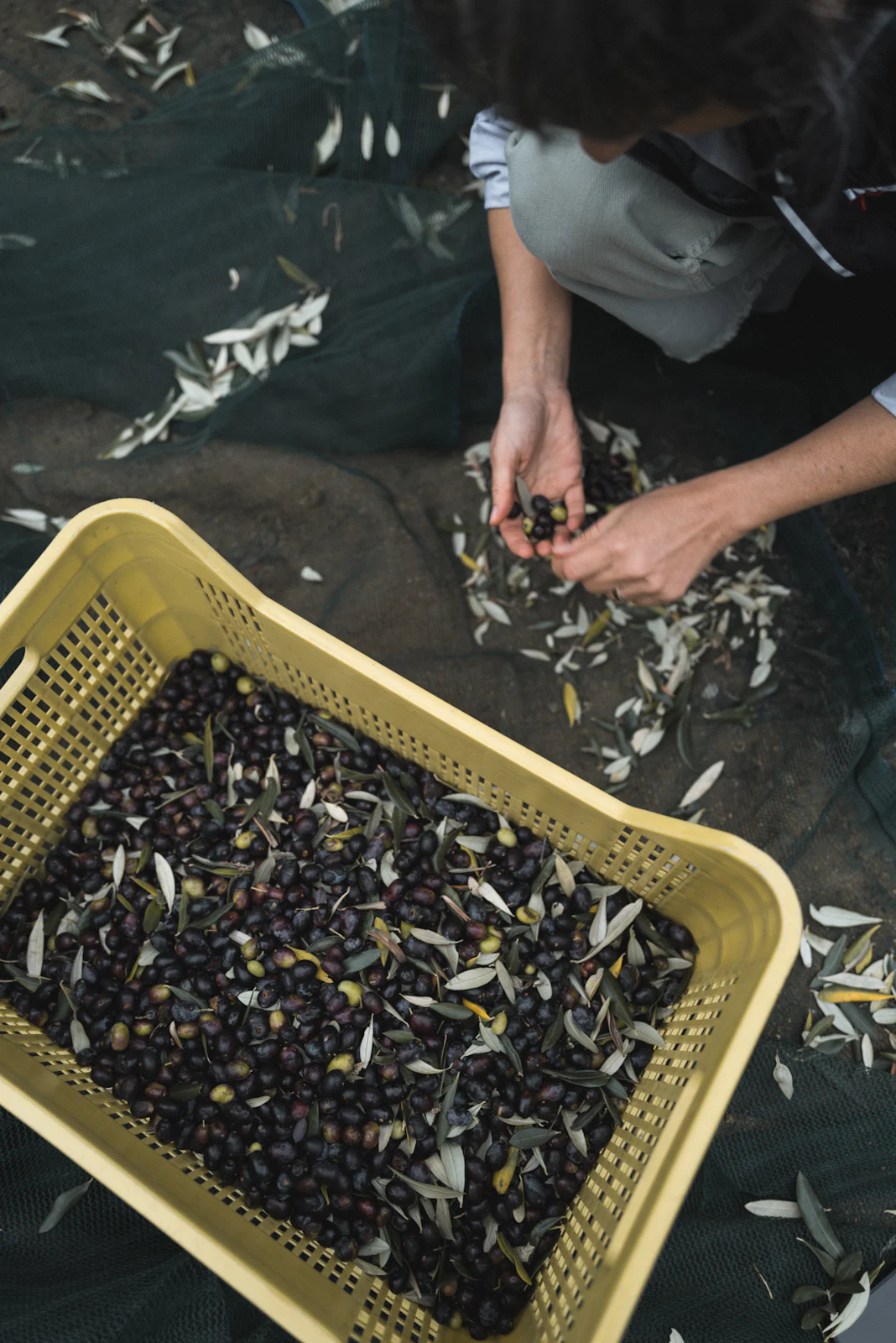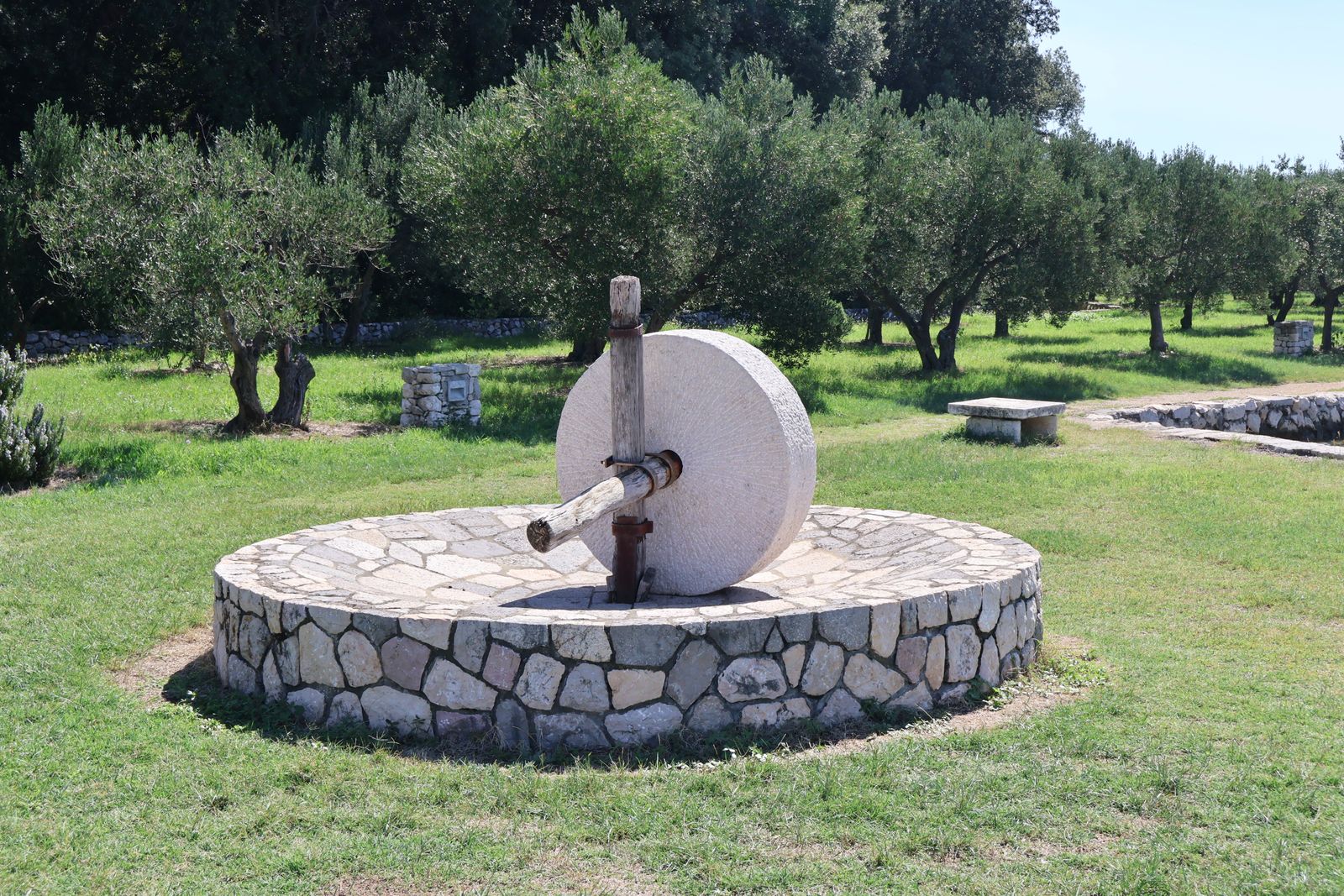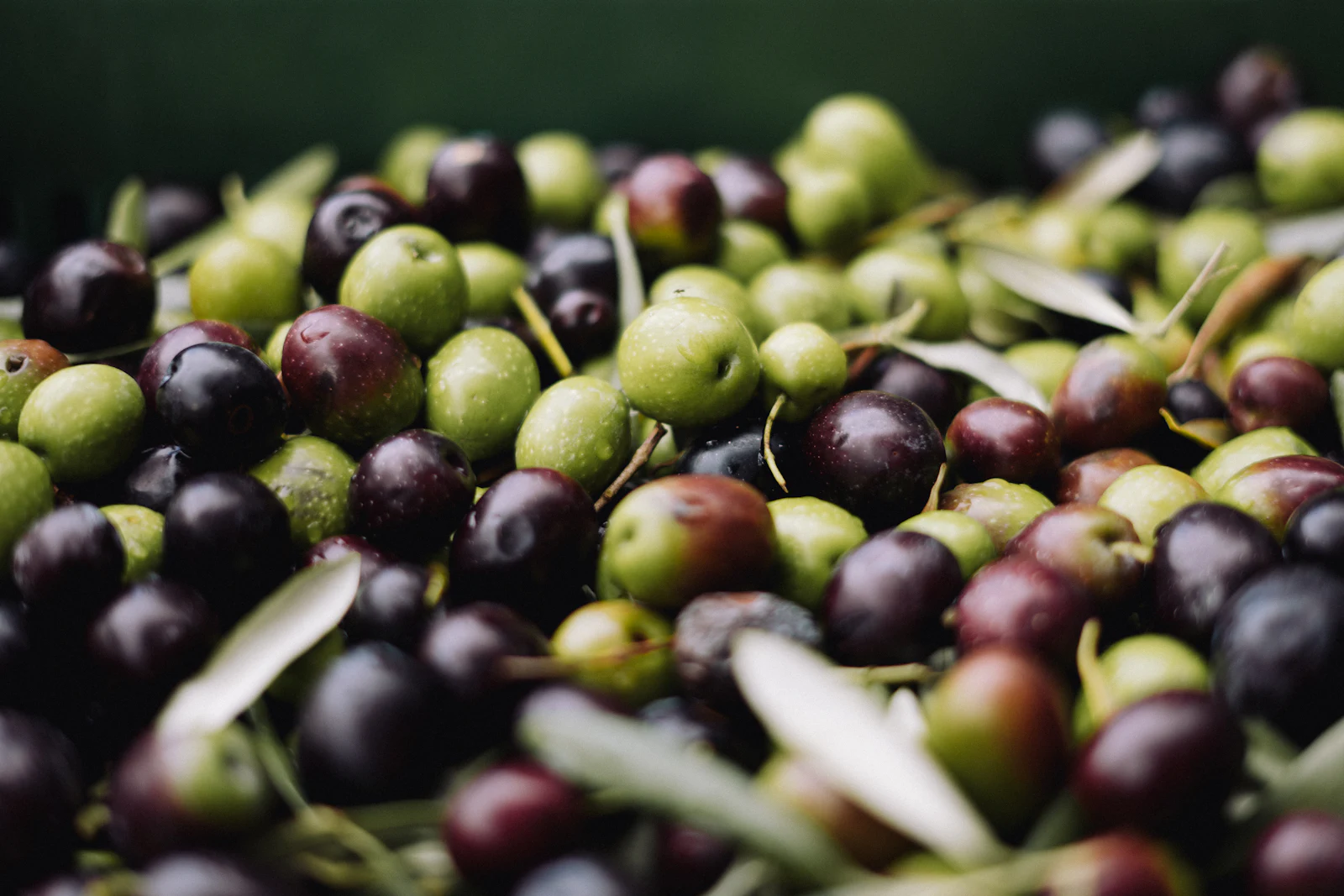
In the far south of the province of Ávila, the Sierra de Gredos drops steeply into the valley of the river Tiétar. While long, harsh winters rule the northern side of the range, olive trees thrive on its southern slopes. The Tiétar Valley is the most important olive area in Castile and León and is seeking the region's first protected designation of origin (PDO) for olive oil.
Where is the Tiétar Valley?
The area covered by the PDO application comprises 24 municipalities in southern Ávila: Arenas de San Pedro, Candeleda, Casavieja, Casillas, Cuevas del Valle, El Arenal, El Hornillo, Fresnedilla, Gavilanes, Guisando, Higueras de las Dueñas, Lanzahíta, La Adrada, Mijares, Mombeltrán, Navahondilla, Pedro Bernardo, Piedralaves, Poyales del Hoyo, Santa Cruz del Valle, San Esteban del Valle, Santa María del Tiétar, Sotillo de la Adrada, Villarejo del Valle.
The mountains to the north shelter the valley from cold winds. According to the PDO application, the area enjoys more than 3,000 hours of sunshine and 300 to 350 frost-free days a year, on sandy-loam soils formed from granite. The application states that these conditions favour the formation of aroma compounds and slow down oxidation and fat breakdown in the fruit.
The olive heart of Castile and León
Ávila is the province with the largest olive area in the region: 3,843 hectares in 2019, with a harvest of 5,155 tonnes of olives. According to 2021 figures, growers in the Tiétar Valley accounted for around 70 per cent of Castile and León's olive harvest.
The PDO application is backed by the Asociación de Olivareros del Sur de Ávila and its six mills. In the eleven years before the application they processed an average of more than 3,200 tonnes of olives, producing just under 462 tonnes of oil a year. Producers in the valley include cooperatives and private mills such as Los Llanos de Gredos in Arenas de San Pedro and the San Pedro Bautista cooperative with its La Moraleda brand.
Ten traditional varieties
An oil bearing the “Aceite Valle del Tiétar” PDO must come at least 80 per cent from ten traditional varieties of the valley: Manzanilla, Cornatilla, Carrasqueña, Redondilla, Albar, Mollar, Enagua, Machuna, Gordal, Injerta. The most important are Manzanilla and Carrasqueña, which together made up around 70 per cent of the harvest in southern Ávila in 2020.
From 2021 the regional government had its agricultural institute ITACYL study, together with the provincial council of Ávila, which varieties are genuinely native. The variety study was a prerequisite for the application.
Stricter limits than the EU standard
Every extra virgin olive oil must meet the limits of the EU marketing standard. The “Aceite Valle del Tiétar” PDO goes considerably further on several points:
| Parameter | PDO Aceite Valle del Tiétar | EU standard for extra virgin |
|---|---|---|
| Free acidity | max. 0.3% | max. 0.8% |
| Peroxide value | max. 10 mEq O₂/kg | max. 20 mEq O₂/kg |
| Waxes | max. 100 mg/kg | max. 150 mg/kg |
| Fatty acid ethyl esters | max. 20 mg/kg | max. 35 mg/kg |
| Fruitiness (median) | at least 3 | greater than 0 |
Low acidity, peroxide and ethyl ester values point to healthy fruit, fast processing and a fresh oil. The PDO also requires at least four positive sensory attributes, such as bitter, pungent, green fruity, grass, leaf, apple or almond. How the quality grades are defined in general is explained in What is extra virgin olive oil?
How far along is the PDO?
- 2020: Five cooperatives and three mills in the valley have joined forces in a producers' association and are working towards a designation of origin.
- 2021: The regional government and the province of Ávila agree on the scientific variety study. The planned name at the time is “Aceite de Oliva de Gredos-Tiétar”, with 2023 as the target.
- October 2024: The application for the “Aceite Valle del Tiétar” PDO is published in the official gazette of Castile and León (BOCYL).
- 28 May 2026: The EU publishes the application in its Official Journal (C/2026/2939), starting a three-month opposition period.
- Next: The European Commission decides on registration. It would be the first olive oil PDO in Castile and León.
Once registered, protected bottles carry a numbered label with the name “Aceite Valle del Tiétar” and the protected designation of origin logo. Which small PDOs Spain already has, and which of their brands reach Switzerland, is shown in Spain's small olive oil PDOs.
Frequently asked questions
What does PDO mean for olive oil?
PDO stands for protected designation of origin (in Spanish “Denominación de Origen Protegida”, DOP). The olives are grown and pressed in the defined area, and the oil must meet the varieties, limits and sensory characteristics set out in the product specification.
Is “Aceite Valle del Tiétar” already a PDO?
The application was published in the EU Official Journal on 28 May 2026, followed by a three-month opposition period. Registration by the European Commission is the final step. Only then may the oils carry the EU logo for protected designations of origin.
Which olive varieties grow in the Tiétar Valley?
Mainly Manzanilla and Carrasqueña, plus Cornatilla, Redondilla, Albar, Mollar, Enagua, Machuna, Gordal and Injerta. These ten traditional varieties must make up at least 80 per cent of a PDO oil.
What does olive oil from the Tiétar Valley taste like?
The PDO application describes oils with a fruitiness of at least 3 on the tasters' scale and notes of fresh, healthy olive, grass, leaf, apple and almond, accompanied by bitterness and pungency.
Sources
- Oleorevista: El Aceite Valle del Tiétar entra en la fase final hacia su protección europea (31 May 2026)
- Ávilared: El aceite del Tiétar va camino de obtener la denominación de origen protegida (23 Oct 2024)
- Diario de Castilla y León: El Valle del Tiétar avanza en su DO con el estudio de variedades (15 Feb 2021)
- Diario de Castilla y León: Gredos sur, locomotora autonómica del aceite de oliva (7 Dec 2020)
- Diario de Valladolid: Castilla y León consolida 7.441 hectáreas de olivo y un aceite con identidad (17 Nov 2025)
- Commission Delegated Regulation (EU) 2022/2104 on marketing standards for olive oil