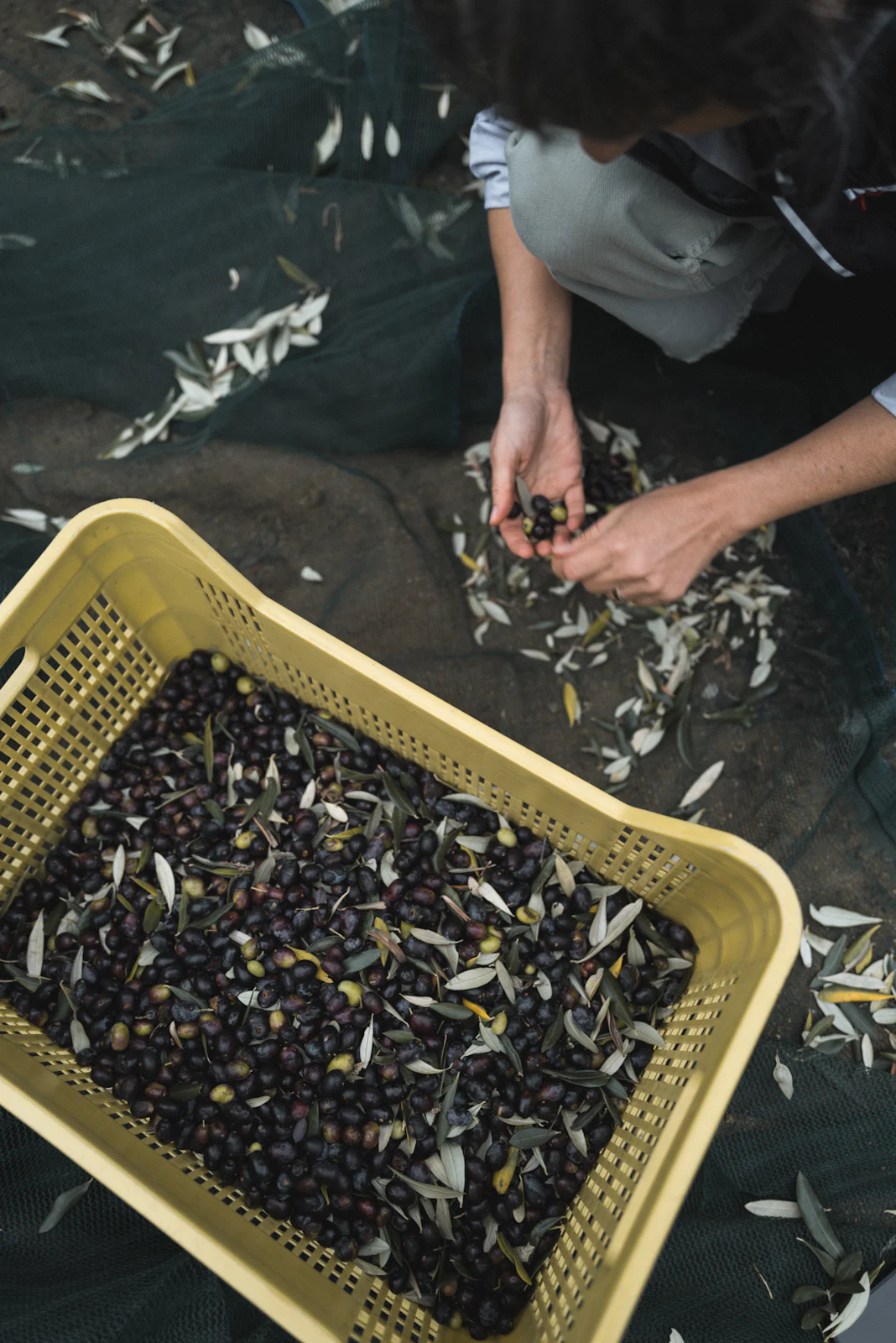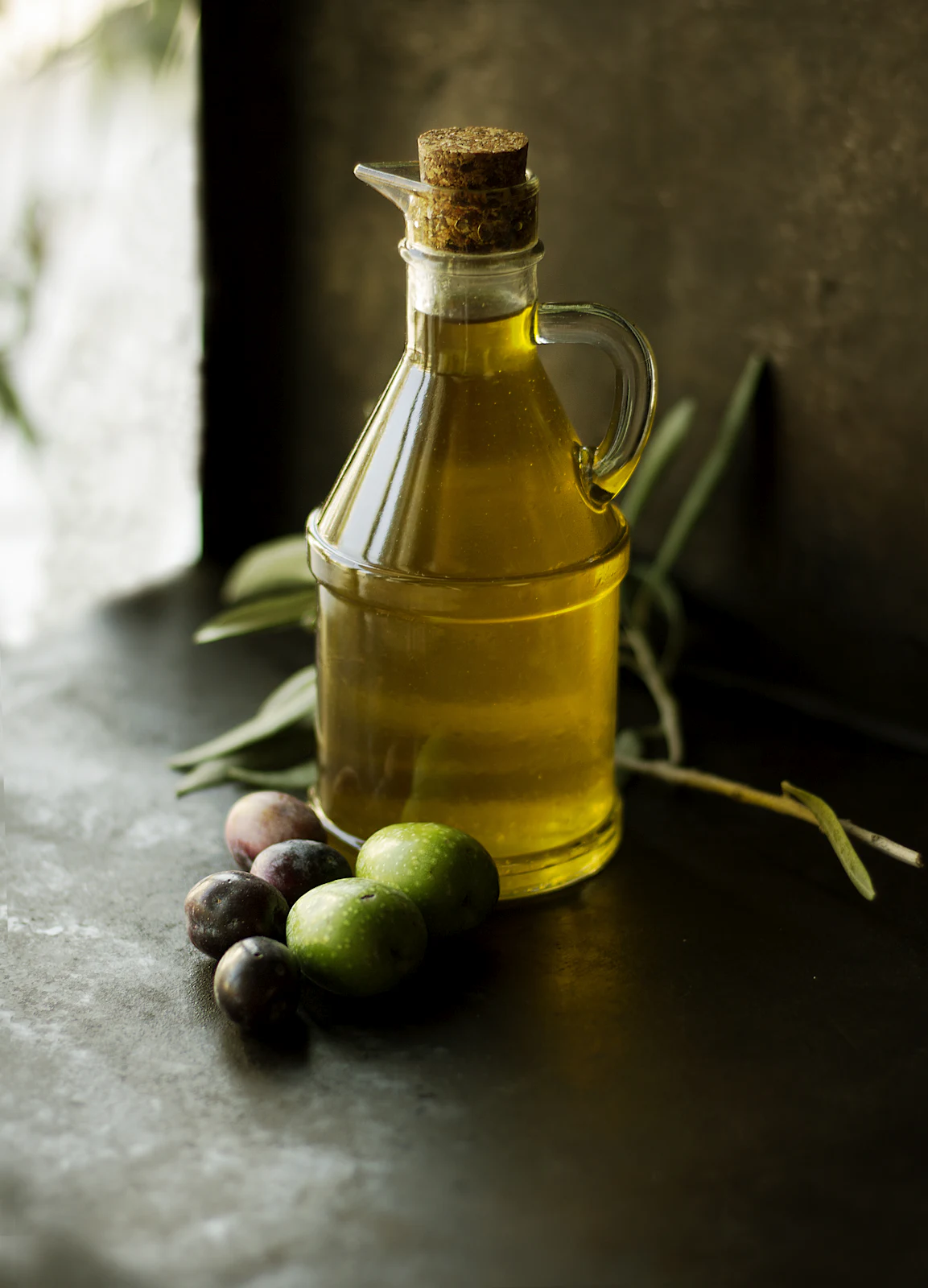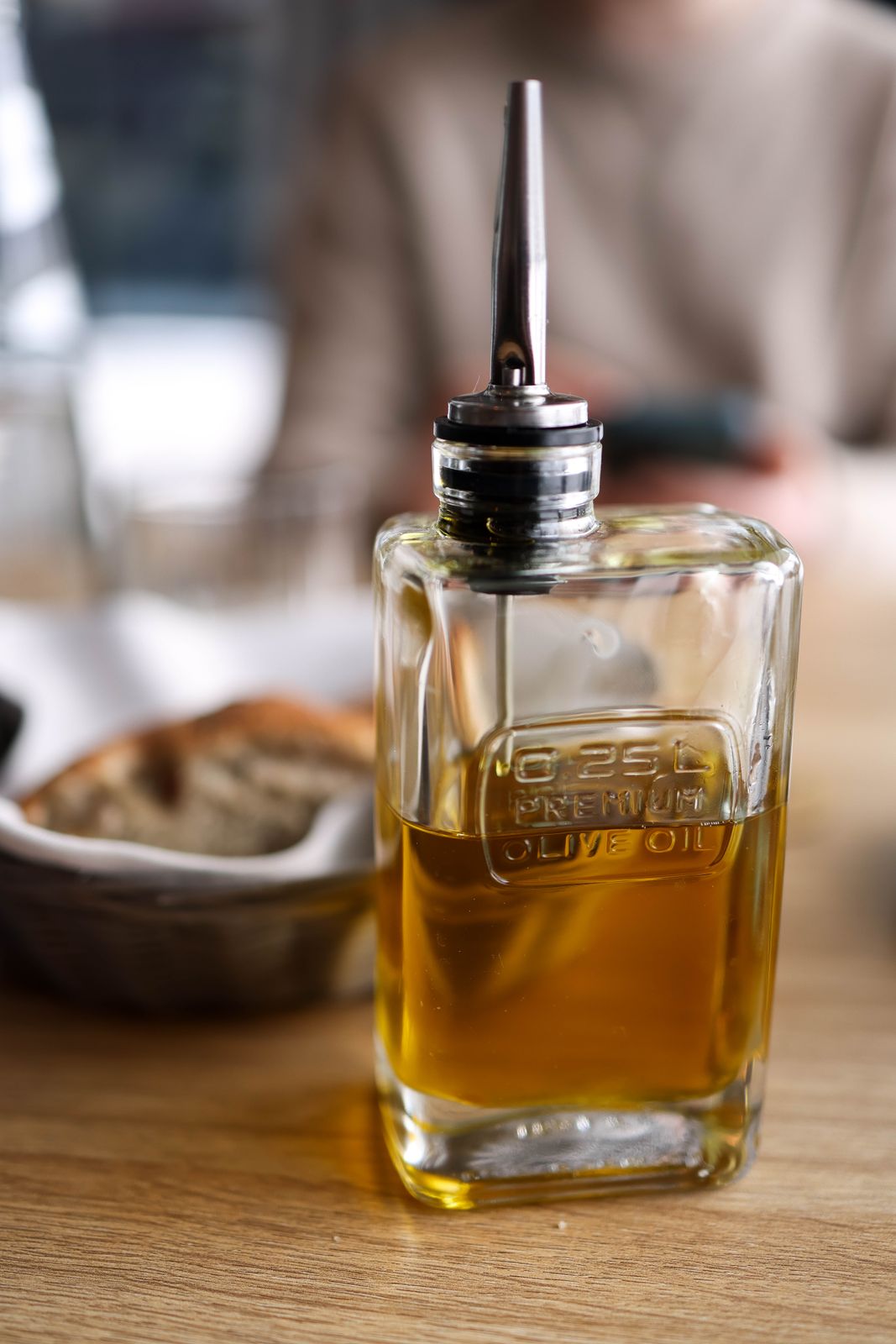
In August 2026 the owners of Deoleo – the Spanish group behind Bertolli, Carapelli and Carbonell – confirmed once more that they were weighing a sale. The private equity firm CVC Capital Partners has been invested since 2014, and the Andalusian cooperative Dcoop was reported to be leading the bidding with €470 million for CVC's block. It is the clearest sign that serious money treats olive oil as more than a condiment.
For readers in Switzerland who have heard olive oil described as "pantry gold", our editorial team looked at what investors actually buy, what the price data show, and why the comparison with gold only works up to a point.
The bottle is not the asset
Start with the obvious objection. Gold never spoils; a great Bordeaux can improve for decades. Extra virgin olive oil begins losing aroma and polyphenols the day it is bottled. The Olive Wellness Institute gives an unopened bottle of good oil a life of up to two years under ideal storage, recommends opening it within a year, and suggests finishing it within one to two months once opened. Our guide on how to store olive oil explains why light, heat and oxygen do the damage.
So when wealthy families or funds talk about olive oil, they mean something else: brands with pricing power, irrigated groves and mills, supply agreements for the scarce first oils of a harvest, and stakes in the bottlers that move the volume. Even the phrase "first pressing" is figurative. Modern mills do not press twice; they centrifuge the paste once. What commands a premium is the first oil of the season, from green, early-picked fruit – the subject of our piece on Picual early harvest and the first oil of the year.
A boom-and-bust primer, 2023–2026
Much of the recent interest traces back to one drought. Producer prices for extra virgin olive oil in Jaén, the world's benchmark market, tell the story:
- Spanish fund manager Beka Finance originally built its grove investments on a historical average of €2.70 per kilo (Reuters, September 2023).
- By September 2023 the price had reached €8.20 per kilo, double the level at the start of that year.
- In January 2024 the International Olive Council (IOC) recorded an all-time high of €902.50 per 100 kg – roughly €9.03 per kilo.
- In late September 2025 the IOC reported €431.50 per 100 kg, 41% lower year on year.
- In June 2026 it was €378.50 per 100 kg.
By our calculation, that is a fall of about 58% from the peak. The driver was volume. Spain's agriculture ministry put the 2023/24 crop at 846,178 tonnes (provisional); the IOC puts 2024/25 at 1,419,000 tonnes, up 66%. One normal harvest was enough to halve the price. Scarcity in olive oil is real, but it rarely lasts.
Where the money went
Brands: the Deoleo saga
CVC bought into Deoleo in 2014. In 2023 it hired Lazard to sell its stake, then dropped the plan when buyer interest faded (Just Food). By August 2026 the major shareholders were again "analysing potential strategic alternatives". Besides Dcoop, The Corner named Coricelli, Avril (Lesieur) and Cobram Estate among the interested parties. We found no completed deal at the time of writing. Deoleo's own figures show how exposed even a global brand is to commodity prices: sales fell from €996.6 million in 2024 to €821 million in 2025, a drop of just under 18% by our calculation.
Groves and mills: the agricultural funds
Cibus Fund I grew the Innoliva group in Spain and Portugal from 4,300 to more than 8,300 hectares and agreed to sell it to Canadian agricultural investor Fiera Comox in September 2023 (Global AgInvesting). Innoliva farms super-intensive hedgerows of around 2,000 small trees per hectare, against fewer than 200 in a traditional grove (Reuters). Beka Finance put money into 1,200 hectares of irrigated groves in Portugal and, at the top of the market in 2023, raised its expected return from an initial 11% over ten years to as much as 20%. Prices have since more than halved by our calculation; we could not find any published realised returns.
Families and famous owners
Portugal's Sovena, the world's largest olive oil bottler, is run by fifth-generation family head Jorge de Mello. According to Commodity Conversations it owns about 7,000 hectares of groves in Portugal and Morocco – less than 10% of what it needs. A company executive valued a single truckload of extra virgin olive oil at around €250,000 in 2024, which says a lot about the working capital tied up in stock. In Jaén, Castillo de Canena describes itself as a family business linked to olive oil since 1780; siblings Rosa and Francisco Vañó, formerly at Coca-Cola and Banco Santander, turned it into a premium brand from 2003 and now sell in 60 countries.
Celebrity ownership exists too, though it is rarely about returns. Sting and Trudie Styler bought Il Palagio, a roughly 350-hectare estate near Florence, in 1999 and sell its wine, honey and olive oil. No financial results are public.
How the top of the market earns its premium
Each season Castillo de Canena releases a limited "First Day of Harvest" oil, made only from olives picked on the opening day, with a label designed by a figure from the arts, science or sport. Spanish retailer Olivarte lists the 2025/26 Picual at €26 for 500 ml.
Set that against the June 2026 producer price of €3.79 per kilo. At roughly 0.92 kg per litre, bulk oil works out at about €3.50 per litre; the bottle comes to €52 per litre – about fifteen times as much, by our rough calculation, before glass, bottling, logistics, retail margin and VAT. The gap shows where value is created: lower yields from early harvests, strict selection, awards and a name that buyers recognise. Where the top prices sit worldwide is covered in our piece on the world's most expensive olive oils.
Competition results feed that recognition. In the 2025 EVOO World Ranking, Rincón de la Subbética (PDO Priego de Córdoba) from Almazaras de la Subbética took first place worldwide, and all five top-ranked oils were Spanish. We explore the reasons in why Spanish olive oil ranks among the world's best, and Jaén's signature variety in our Picual portrait. The catch is scale: early harvests yield less oil, and the first days of picking produce limited volumes. Investors usually secure access through long-term purchase or distribution contracts, not through anything they could trade.
Land tells a similar story. Spain's agriculture ministry's provisional survey put the national average for olive groves in 2024 at €13,063 per hectare for rain-fed land (+0.75%) and €25,245 for irrigated land (+2.56%) – water nearly doubles the value. In Jaén the average slipped from €17,682 to €17,499 per hectare between 2023 and 2024, according to Xataka, while other farmland rose sharply. Funds are concentrating on water-secure areas and mechanised hedgerows.
Five ways the thesis cracks
- It spoils. Holding physical oil means paying for storage while the product loses quality.
- Weather and biology rule supply. Drought halved Spain's crop; a good year reversed the price spike. Olive trees also alternate naturally between heavy and light crops. The olive fruit fly is considered the most serious pest of the crop, and Xylella fastidiosa, detected in Apulia in 2013, has killed around 11 million olive trees there, according to National Geographic.
- Prices swing hard. Anyone modelling €8 per kilo in 2023 is now looking at less than half that.
- Fraud undermines trust. In Operation "Omegabad" in late 2023, police in Spain and Italy seized around 260,000 litres of adulterated oil and arrested eleven people.
- Brands are slow and illiquid. Building pricing power takes years of marketing and distribution, and selling a stake can take years too – Deoleo is the case in point. Bulk bottlers, meanwhile, live on thin margins and high turnover.
Side by side: olive oil, gold, fine wine and farmland
This comparison is our editorial team's qualitative assessment, not a return forecast.
| Asset | Storability | Liquidity | Income | Main risk |
|---|---|---|---|---|
| Olive oil (physical) | Up to about 2 years unopened, declining quality | Low; no futures exchange since 2014 | None | Spoilage, price collapse after a good harvest |
| Olive oil businesses (brand, grove, mill) | Indefinite as a company or land | Low; sales can take years | Operating profit, volatile | Climate, water, pests, commodity prices |
| Gold | Indefinite | High | None | Price volatility |
| Fine wine | Decades for top wines stored well | Medium, via auctions and trading platforms | None | Changing tastes, counterfeits, storage |
| Farmland | Indefinite | Low | Rent or crop revenue | Water, regulation, subsidies |
Fine wine has had its own wobbles: Knight Frank reports that the Liv-ex Fine Wine 100 fell 2.5% in 2025.
No exchange, no en primeur
There is no liquid financial market for olive oil today. Spain did have one: the Mercado de Futuros del Aceite de Oliva (MFAO) in Jaén began trading on 6 February 2004 as the only olive oil futures exchange in the world and handled around 100,000 contracts a year. Secondary trading stopped on 18 November 2014 and liquidation was approved at the end of 2015. It made a profit in only two of its eleven years, and the capital requirements of the EU's EMIR derivatives rules proved unaffordable. We found no successor.
Nor is there anything like Bordeaux's en primeur system, where buyers commit to a vintage before bottling and can resell later. What does exist are consumer schemes such as tree adoption. Nudo Adopt has worked with Italian growers since 2005, sending subscribers oil from "their" tree; it has currently paused subscriptions and its online shop, citing shipping uncertainty and tariffs. Lovely gifts, but not investments.
A view from Switzerland
Switzerland tops the UBS Global Wealth Report 2026 for average wealth per adult, at USD 910,382. That means plenty of capital looking for real assets and a strong market for premium oils – which explains why the "pantry gold" idea surfaces at gourmet fairs and in private banking conversations alike. For most households, though, the best olive oil "investment" is simply a fresh, well-made bottle used within a few months; our summary of the 2026 Swiss olive oil tests shows how much quality varies on supermarket shelves. Owning a brand, a grove or a mill is a different undertaking, demanding sector knowledge, a long horizon and the stomach for bad harvests.
This article is editorial information, not investment advice.
Frequently Asked Questions
Why don't people collect olive oil the way they collect wine?
Because it does not age well. An unopened bottle of good extra virgin olive oil keeps for up to about two years and steadily loses flavour and polyphenols; it never gains value in the cellar.
What was the peak olive oil price?
The IOC recorded €902.50 per 100 kg for extra virgin olive oil in Jaén in January 2024, roughly €9.03 per kilo. By June 2026 the figure was €378.50 per 100 kg.
Who owns the big olive oil brands?
A mix of financial investors, families and cooperatives. Deoleo has been controlled by CVC since 2014 and is up for sale; Sovena is family-run; Dcoop is a cooperative.
Is irrigated olive land worth more?
Yes. In Spain's 2024 provisional survey, irrigated olive groves averaged €25,245 per hectare against €13,063 for rain-fed ones.
Can you buy olive oil futures?
Not on a dedicated exchange. The only one, the MFAO in Jaén, stopped trading in 2014 and was later wound up.
Sources
- International Olive Council: World market of olive oil and table olives – data from June 2024 (2024)
- International Olive Council: Olive oil prices – August 2024 update (09.2024)
- International Olive Council: Olive sector statistics – October 2025 (10.2025)
- International Olive Council: Olive sector statistics – December 2025 and forecasts (12.2025)
- International Olive Council: Olive sector statistics – June/July 2026 (07.2026)
- Foods & Wines from Spain: Olive Oil 2023-24 Harvest – Quality Overcomes Climatic Conditions (05.2024)
- Reuters / Yahoo Finance: Iberian olive oil producers draw private-equity interest as prices soar (26.09.2023)
- Global AgInvesting: Cibus Fund I sells largest asset – Innoliva – to Fiera Comox (11.09.2023)
- Just Food: Deoleo shareholders reviewing interest in olive-oil business (20.08.2026)
- The Corner: Dcoop bids €470 million for Deoleo to become the olive oil market leader (19.08.2026)
- Commodity Conversations: Miguel Costa – Sovena Group (06.05.2024)
- Mello RDC: Sovena – portfolio (accessed 09.2026)
- Castillo de Canena: About us (accessed 09.2026)
- Olivarte: Castillo de Canena First Day of Harvest Picual 500 ml (accessed 09.2026)
- EVOO World Ranking: Top 100 EVOOs of the World 2025 (2025)
- Mercacei: ¿Cuál ha sido el precio medio nacional de la tierra destinada a olivar en 2024? (27.08.2025)
- Xataka: El callejón sin salida del olivo tradicional (06.05.2026)
- Andalucía Información: El Mercado de Futuros del Aceite aprueba su liquidación (17.12.2015)
- Wikipedia (ES): Mercado de Futuros del Aceite de Oliva (accessed 09.2026)
- Nudo Adopt: About us (accessed 09.2026)
- Olive Wellness Institute: Storage and shelf life of extra virgin olive oil
- National Geographic: Inside the race to save Italy's olive trees (2018, updated 2025)
- Wikipedia (EN): Olive oil raids of 2023 in Europe (accessed 09.2026)
- Wikipedia (EN): Olive fruit fly (accessed 09.2026)
- Knight Frank: Luxury Investment Index – luxury holds steady (23.04.2026)
- UBS: Global Wealth Report 2026 (30.06.2026)
- Sting.com: Wine, olive oil and honey produced at Il Palagio (13.03.2012)