Over the past few days we have introduced the olive areas of Castile and León: an overview of Spain's little-known olive country, the Tiétar Valley and its PDO application, the Arribes del Duero and the Zorzal variety, and the new olive groves around Valladolid. This guide sums up how to recognise a good oil from the region, which variety suits which dish and what to bear in mind when buying from Switzerland.
What style to expect
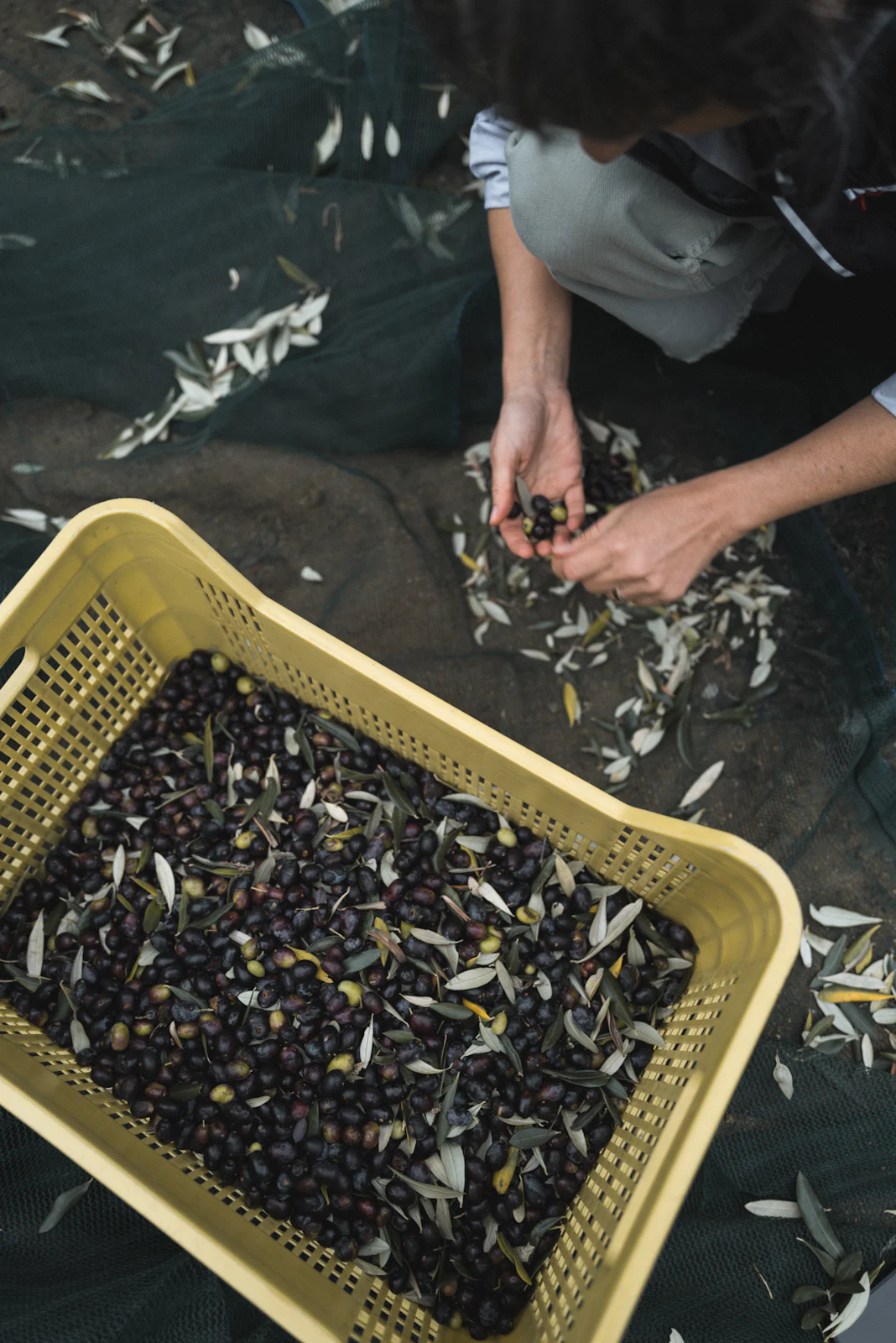
The olive groves of Castile and León lie in a region with cold winters. Producers therefore harvest early, usually in November, before the frost. The result is mostly green, fresh and fruity oils with notes of grass, leaf, green apple or tomato leaf.
If you mainly know mild supermarket oils, you may be surprised: early-harvest oils are often distinctly bitter and catch in the throat. That is not a flaw. Under the EU marketing standard, bitterness and pungency are positive attributes, and they come from polyphenols (see our article on polyphenols and antioxidants).
Which variety suits you?
| Variety | Origin | Flavour according to producers and specialist sources | Goes well with |
|---|---|---|---|
| Zorzal de Arribes | Arribes del Duero (Salamanca) | green, tomato leaf, grass, banana, pistachio; slightly bitter, clearly pungent | tomatoes, pulses, bread |
| Manzanilla Cacereña | Arribes del Duero, other parts of the region | fresh grass, green apple, herbs, a hint of banana | salads, fish, vegetables |
| Manzanilla, Carrasqueña and other local varieties | Tiétar Valley (Ávila) | green fruity, grass, leaf, apple, almond; bitter and pungent | grilled vegetables, potatoes, finishing soups |
| Arbequina | plantations around Valladolid and Zamora | rather mild and fruity | beginners, fish, mayonnaise |
| Picual | plantations around Valladolid and Zamora | robust, markedly bitter and pungent | grilled meat, hearty dishes |
The pairings in the last column are suggestions from our editorial team. Taste an oil on its own first before combining it.
What to look for on the label
- Grade: “aceite de oliva virgen extra” means extra virgin olive oil, the highest grade. “Aceite de oliva virgen” is one level below. The differences are explained in What is extra virgin olive oil?
- Harvest year: details such as “cosecha 2025/2026” show how fresh the oil is. “Cosecha temprana” means early harvest and usually a greener, more intense oil.
- “Aceite Valle del Tiétar” PDO: once registered by the EU, protected bottles carry a numbered label with the name and the protected designation of origin logo. The application was published in the EU Official Journal in May 2026.
- Tierra de Sabor: the regional quality label of the government of Castile and León, carried among others by oils from Ahigal de los Aceiteros and the Tiétar Valley.
- Organic: “ecológico” and the EU organic logo indicate certified organic farming, for example oils from the organic mill in Ahigal de los Aceiteros or Oliduero Ecológico.
- Packaging: dark glass or tins protect against light.
Where to buy
Production volumes in Castile and León are small. Many producers sell directly at the mill and through their own online shops, and some export. Customers in Switzerland have two options:
Order online from the producer
Before ordering, ask whether the shop delivers to Switzerland. Shipments from the EU may incur Swiss VAT and the carrier's customs clearance fees. For small orders these fees can make up a noticeable share of the price.
Bring it back from a trip
If you travel to Spain, you can buy oil directly at the mill, for instance on a visit to Ahigal de los Aceiteros or at Oliduero in Medina del Campo. According to the Swiss Federal Office for Customs and Border Security (FOCBS), the following applies when entering Switzerland:
- Edible oils, fats and margarine are duty-free up to a total of 5 kilos or litres per person per day.
- Each additional litre is charged at 2 francs.
- If the total value of all goods carried exceeds 150 francs per person, VAT must be paid.
On flights, liquids in hand luggage are generally limited to containers of up to 100 millilitres. Larger bottles belong, well wrapped, in checked baggage.
How to taste your oil
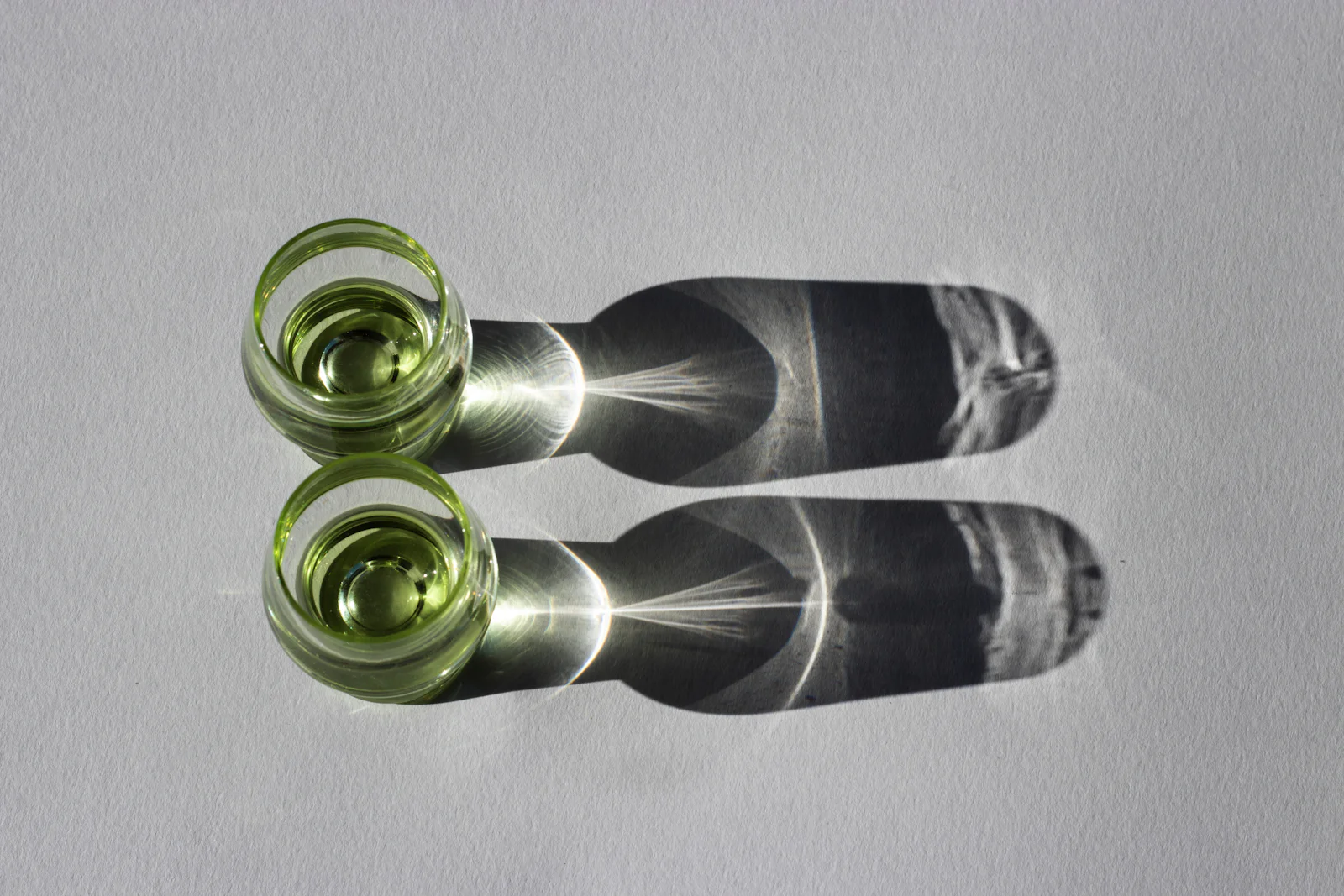
- Pour a little oil into a small glass, cover it with your hand and warm it slightly.
- Smell: fresh oils smell of grass, leaf, green apple or tomato.
- Take a small sip and draw in air: bitterness is felt on the tongue, pungency in the throat.
- Warning signs are smells of wax, modelling clay, damp cardboard or vinegar. In that case the oil is old or defective.
Once opened, the oil should be used within six to eight weeks. How to store it properly is explained in How to store olive oil.
Frequently asked questions
How much olive oil can I bring into Switzerland duty-free?
Edible oils, fats and margarine together are duty-free up to 5 kilos or litres per person per day. Beyond that each litre costs 2 francs. If the value of all goods carried exceeds 150 francs, VAT is also due.
How do I recognise a good olive oil from Castile and León?
By the “virgen extra” grade, a recent harvest year, dark packaging and clear origin information. Labels such as “Tierra de Sabor”, the EU organic logo or, in future, the “Aceite Valle del Tiétar” PDO provide additional guidance.
Is bitter olive oil bad?
No. In extra virgin olive oil, bitterness and pungency are positive attributes and typical of early-harvest oils. Rancid or musty notes, on the other hand, are a bad sign.
Can you buy olive oil from Castile and León in Switzerland?
Volumes are small, and the oils are mainly available directly from producers. Ask the online shop about delivery to Switzerland or buy on site when travelling.
Sources
- FOCBS: duty-free allowances for food, alcohol and tobacco
- Oleorevista: El Aceite Valle del Tiétar entra en la fase final hacia su protección europea (31 May 2026)
- Diario de Valladolid: Castilla y León consolida 7.441 hectáreas de olivo y un aceite con identidad (17 Nov 2025)
- La Comunal: Variedades autóctonas de olivo de Castilla y León (12 Aug 2022)
- La Gaceta de Salamanca: El alma de Arribes del Duero, convertida en oro verde (29 Apr 2026)
- Arribera: el aceite virgen extra de Salamanca
- Oliduero: the first organic olive mill in Valladolid
- Commission Delegated Regulation (EU) 2022/2104 on marketing standards for olive oil